Back To Blog
 Best Wholesale Products from China for Retail Businesses: Complete Guide for 2027
Finding the best wholesale products from China for retail businesses is one of the most important steps toward building a profitable and scalable retail operation.
Whether we operate an online store, physical retail shop, Amazon business, Shopify store, or wholesale distribution company, choosing the right products can significantly influence our sales, profit margins, and long-term business growth.
China remains a major global manufacturing hub, offering retailers access to extensive product categories, established supply chains, customization opportunities, and competitive wholesale pricing.
From consumer electronics and fashion accessories to home organization products and pet supplies, Chinese manufacturers offer thousands of products suitable for resale.
However, successful wholesale sourcing is not simply about finding the cheapest products. We must identify merchandise with consistent customer demand, manageable competition, acceptable quality, reliable suppliers, and sustainable profit margins.
In this comprehensive guide, we explore the most promising wholesale product categories from China for 2027, explain how to find trustworthy manufacturers, compare sourcing platforms, calculate potential profits, and share practical strategies for building a successful retail business.
Why Source Wholesale Products from China?
China's manufacturing ecosystem provides several advantages for businesses looking to purchase merchandise in bulk.
1. Competitive Wholesale Pricing
Chinese manufacturers often benefit from specialized production networks, economies of scale, and established material suppliers. These advantages can reduce unit costs, particularly for standardized products purchased in volume.
2. Extensive Product Selection
Retailers can source electronics, fashion accessories, kitchen products, packaging, home décor, toys, stationery, and numerous other product categories.
3. Private-Label Opportunities
Many suppliers provide logo printing, custom packaging, product modifications, and OEM or ODM manufacturing services, allowing retailers to develop differentiated merchandise.
4. Scalable Supply Chains
Established factories and logistics networks can support larger orders as retail demand grows, although production capacity and delivery reliability must be verified individually.
Top 15 Best Wholesale Products from China for Retail Businesses in 2027
The following categories offer practical opportunities for retail businesses based on their broad consumer applications, sourcing availability, customization potential, and resale suitability.
They are not guaranteed bestsellers. We should validate demand in our target market before purchasing inventory.
1. Mobile Phone Accessories
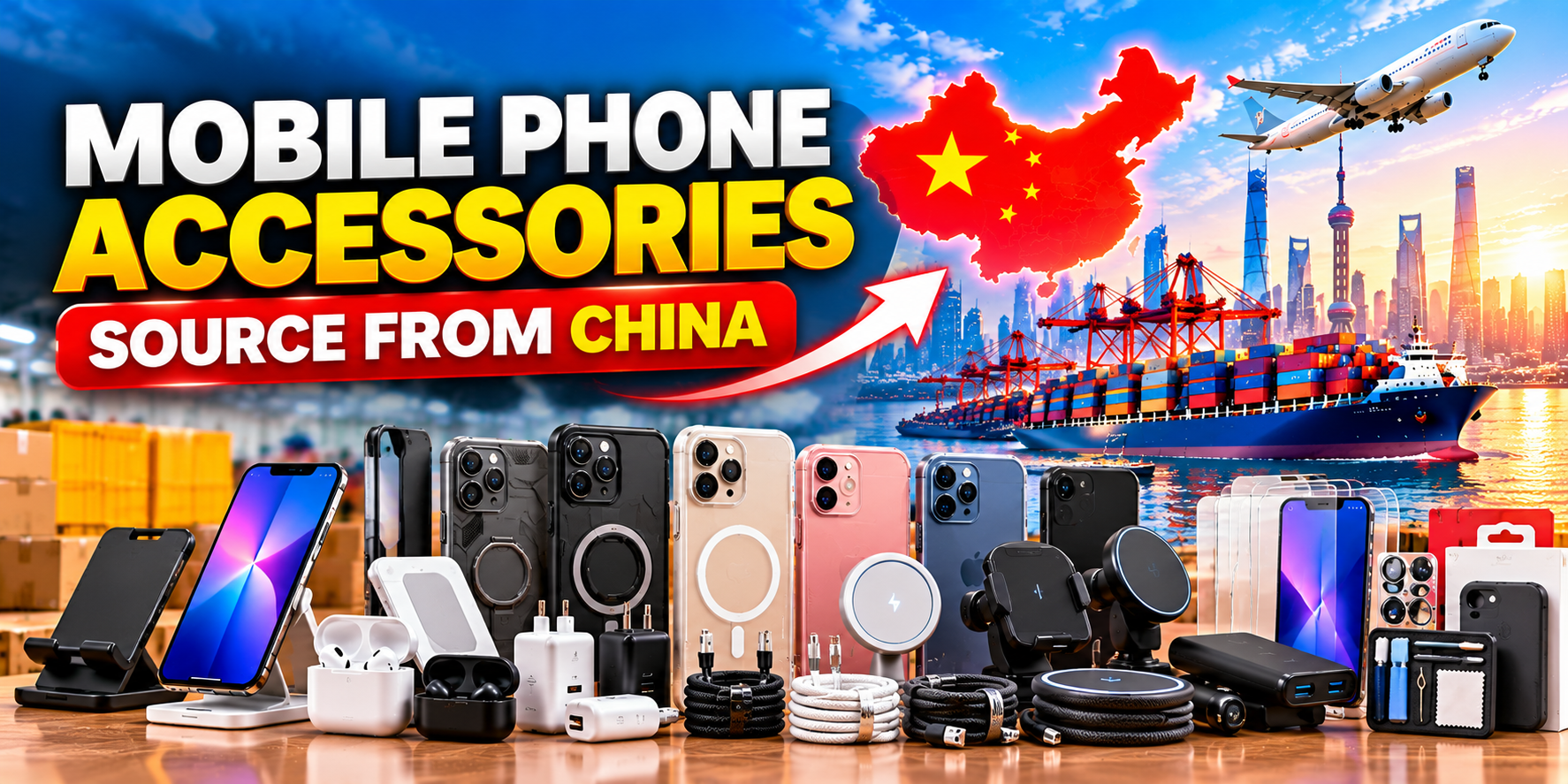
Mobile phone accessories are among the most accessible wholesale product categories for online and physical retailers.
Smartphone users regularly purchase protective cases, screen protectors, charging cables, stands, and replacement accessories.
Popular products include:
-
Protective phone cases
-
Tempered glass screen protectors
-
Phone stands and holders
-
Cable organizers
-
Charging accessories
-
Magnetic phone mounts
-
Smartphone camera accessories
Why they are attractive: Many accessories are lightweight, compact, relatively inexpensive to store, and available in numerous designs.
Retail considerations: Device compatibility changes frequently. Electrical accessories may also require safety testing and certification.
Sourcing tip: Focus on a manageable range of popular device models rather than purchasing large quantities of outdated accessories.
2. Fashion Jewelry and Accessories
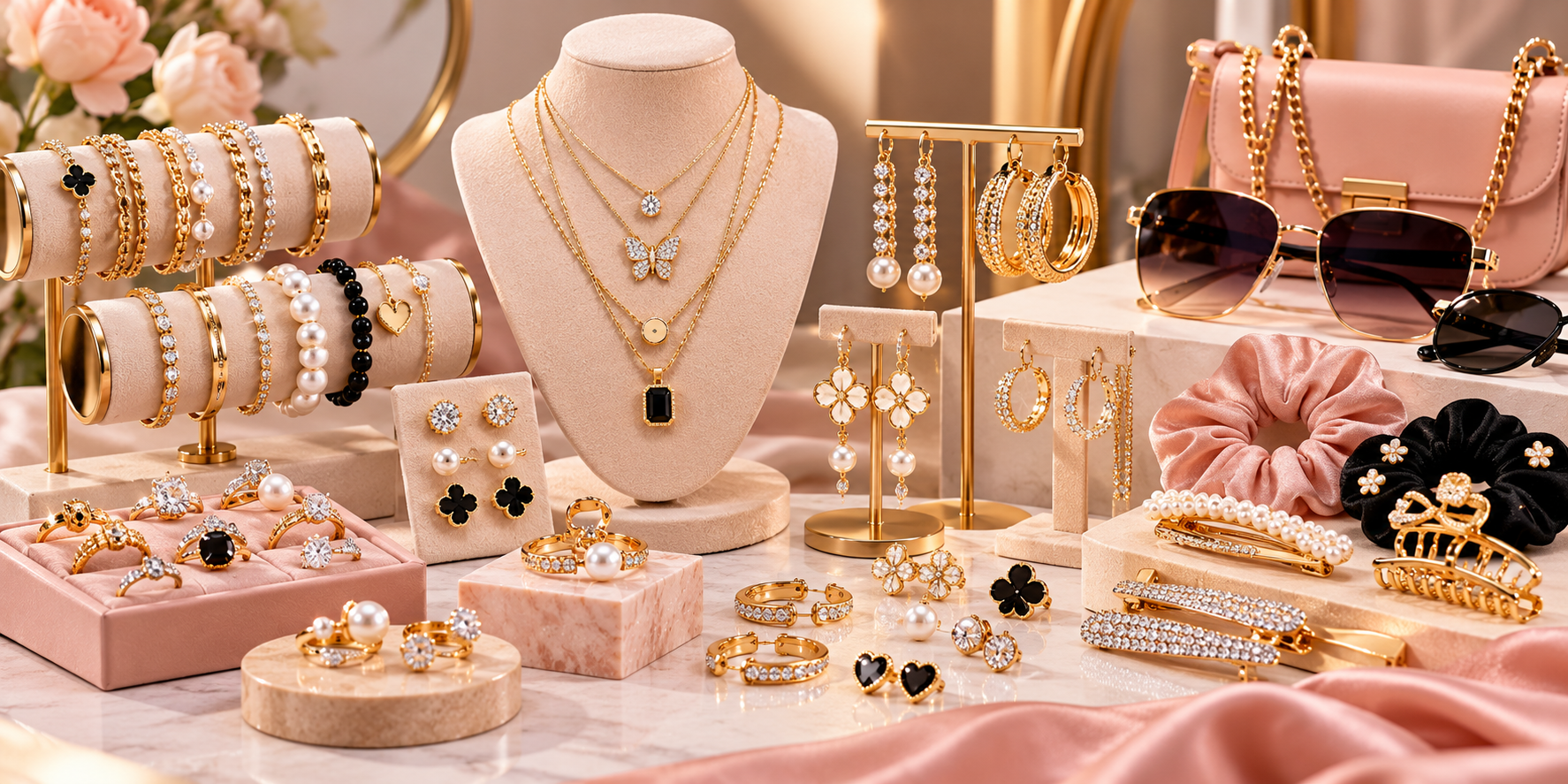
Fashion jewelry can be suitable for boutique retailers, social commerce businesses, and online fashion stores.
Popular wholesale products include necklaces, bracelets, earrings, rings, hair accessories, sunglasses, and decorative accessories.
Why they are attractive: Fashion accessories are often small, easy to package, and suitable for themed collections.
Retailers can differentiate products through coordinated sets, packaging, photography, and branding.
Retail considerations: Jewelry materials, plating durability, skin-contact safety, and metal content should be verified. Certain markets impose restrictions on substances such as nickel, lead, and cadmium.
3. Home Organization and Storage Products
Home organization products serve practical needs across kitchens, bathrooms, bedrooms, offices, and laundry rooms.
Popular products include drawer organizers, storage baskets, shelf dividers, closet organizers, cable management accessories, and stackable containers.
Why they are attractive: Functional household products can appeal to a broad audience and may be less dependent on short-lived fashion trends.
Retail considerations: Bulky items can create high shipping costs relative to their selling prices.
We recommend prioritizing compact, lightweight, stackable products that solve clearly identifiable storage problems.
4. Beauty Tools and Accessories
Beauty accessories can provide opportunities for cosmetics stores, lifestyle boutiques, and online retailers.
Examples include makeup brushes, cosmetic organizers, facial rollers, reusable makeup-removal pads, beauty storage bags, and non-electrical grooming accessories.
Why they are attractive: These products can be packaged into coordinated sets and marketed through tutorials and visual demonstrations.
Retail considerations: Avoid unsupported health or therapeutic claims. Verify material safety, hygiene requirements, and relevant regulations.
Electrical beauty devices and skincare formulations involve additional compliance considerations.
5. Pet Accessories
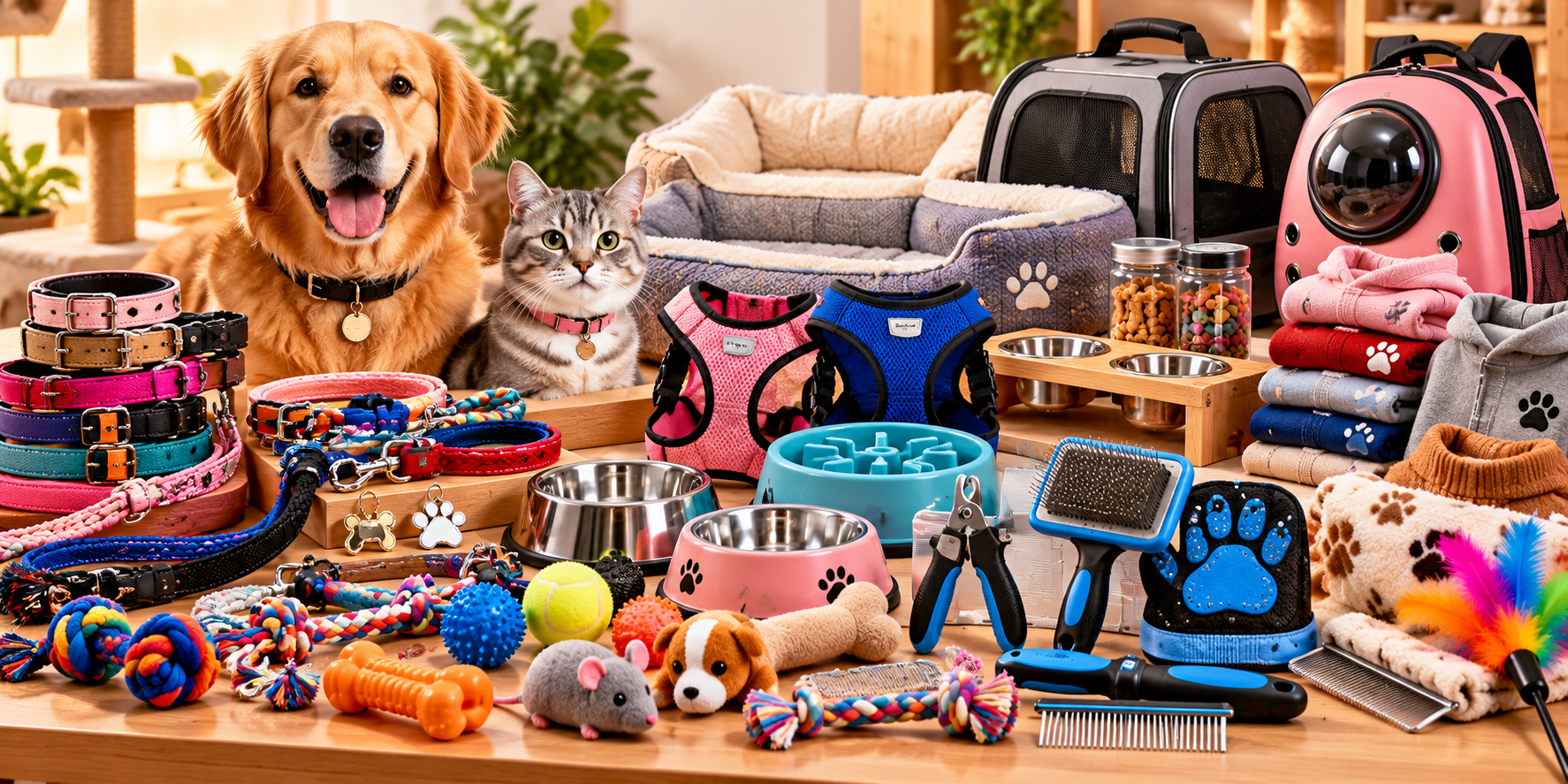
Pet owners purchase accessories for feeding, grooming, walking, play, and everyday care.
Potential wholesale products include pet collars, leashes, grooming brushes, feeding mats, travel bowls, and pet storage accessories.
Why they are attractive: Pet accessories can support repeat purchases, product bundles, and specialized retail branding.
Retail considerations: Check material durability, choking hazards, size specifications, and suitability for the intended animal.
For example, a poorly constructed leash or collar could create a significant safety risk.
6. Reusable Water Bottles and Drinkware
Reusable drinkware can appeal to students, office workers, travelers, and outdoor enthusiasts.
Potential products include stainless steel bottles, insulated tumblers, travel mugs, reusable cups, and replacement lids.
Why they are attractive: Drinkware offers customization opportunities through color selection, logo printing, and branded packaging.
Retail considerations: Food-contact materials, coatings, seals, and insulation performance must meet applicable safety requirements.
We should request relevant testing documentation and evaluate samples for leakage, durability, and ease of cleaning.
7. Kitchen Gadgets and Accessories
Kitchen accessories are practical products suitable for homeware stores and online retailers.
Popular examples include measuring spoons, silicone utensils, vegetable peelers, food storage accessories, kitchen organizers, and reusable food preparation tools.
Why they are attractive: Many kitchen gadgets have clear everyday uses and can be demonstrated through short product videos.
Retail considerations: Products intended for food contact must comply with applicable material safety requirements.
Electrical kitchen appliances require additional technical and regulatory verification.
8. Fitness and Sports Accessories
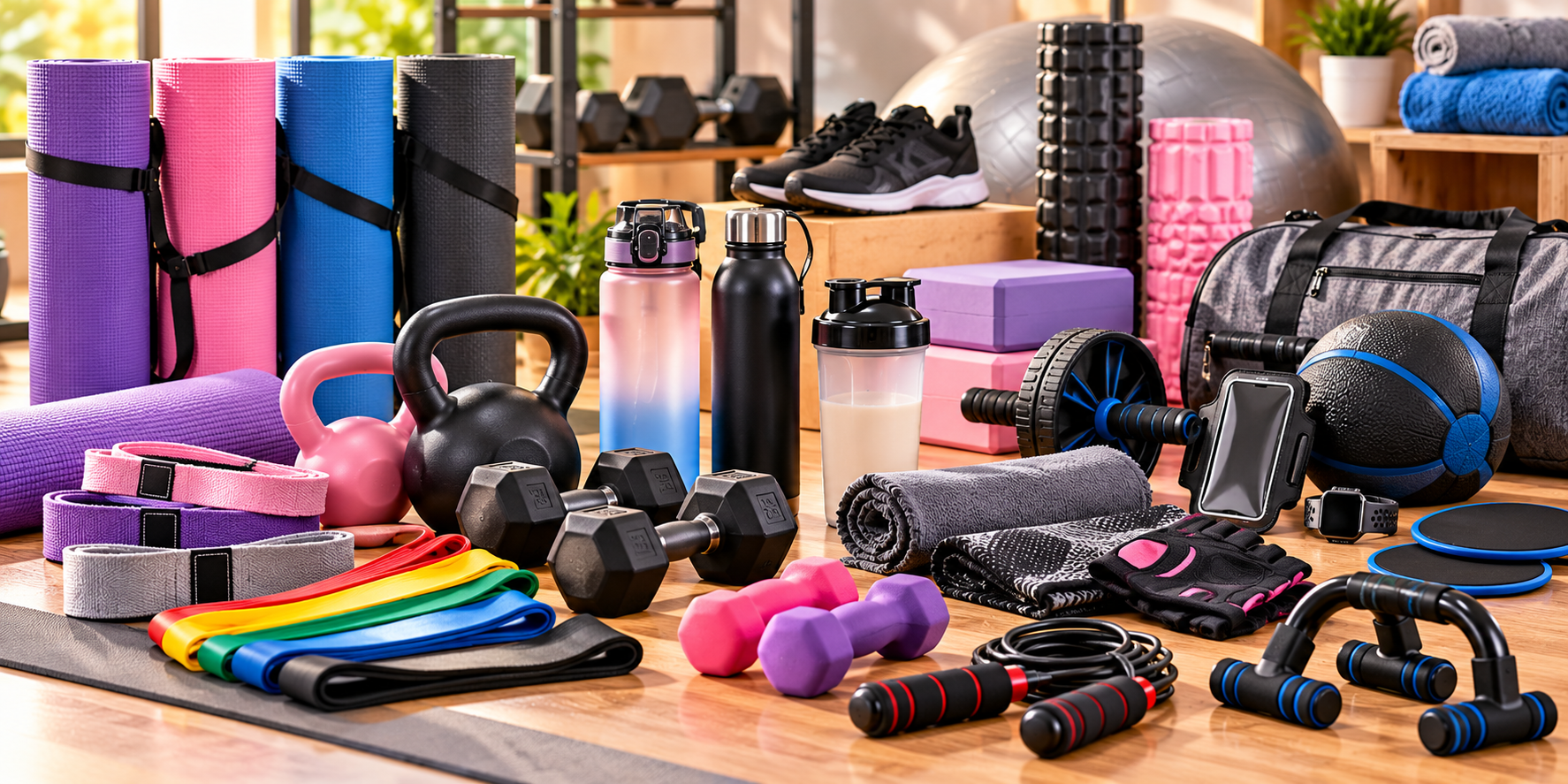
Fitness accessories can serve customers interested in home workouts, gyms, yoga, and recreational sports.
Examples include resistance bands, jump ropes, yoga blocks, gym towels, workout bags, and exercise accessories.
Why they are attractive: These products can be marketed to clearly defined audiences and bundled into beginner fitness kits.
Retail considerations: Products subjected to significant tension or physical loads require careful testing.
We should verify material strength, durability, labeling, and appropriate safety warnings.
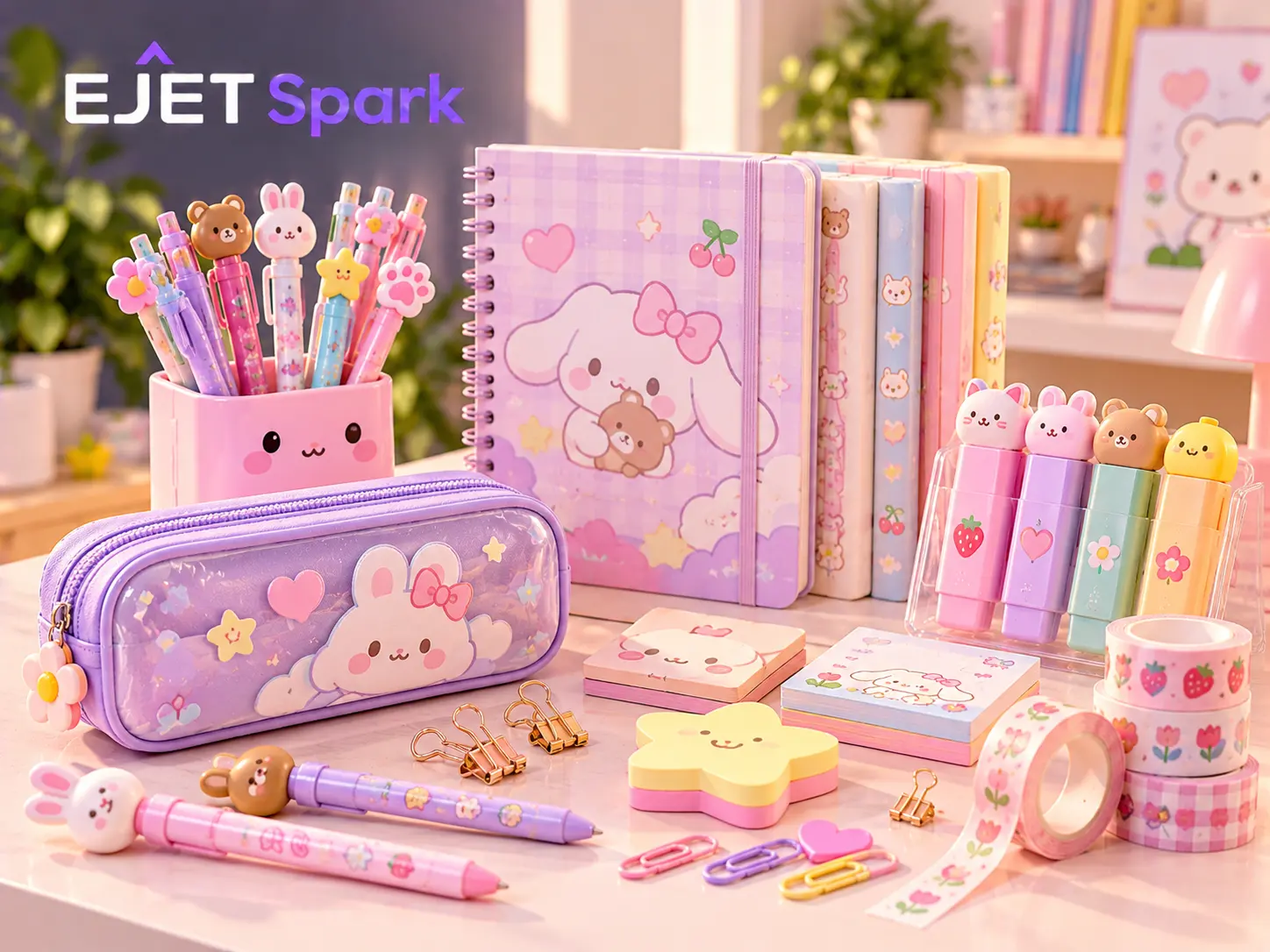
9. Office and Stationery Supplies
Stationery can be attractive for gift shops, bookstores, educational retailers, and online businesses.
Popular products include notebooks, planners, pens, desk organizers, sticky notes, pencil cases, and decorative stationery.
Why they are attractive: Stationery is suitable for coordinated collections, seasonal promotions, and personalized branding.
Retail considerations: Competition can be intense, so differentiation through design, packaging, and target audience is important.
10. LED Lighting and Decorative Lights
Decorative lighting can appeal to customers interested in home décor, gaming setups, and workspace personalization.
Examples include LED strip lights, decorative table lamps, ambient lighting accessories, and battery-operated decorative lights.
Why they are attractive: Lighting products are visually demonstrable and can complement home decoration merchandise.
Retail considerations: Electrical safety, electromagnetic compatibility, battery regulations, and local certification requirements can be significant.
We recommend working with suppliers able to provide appropriate technical documentation and testing evidence.
11. Bags, Backpacks, and Travel Accessories
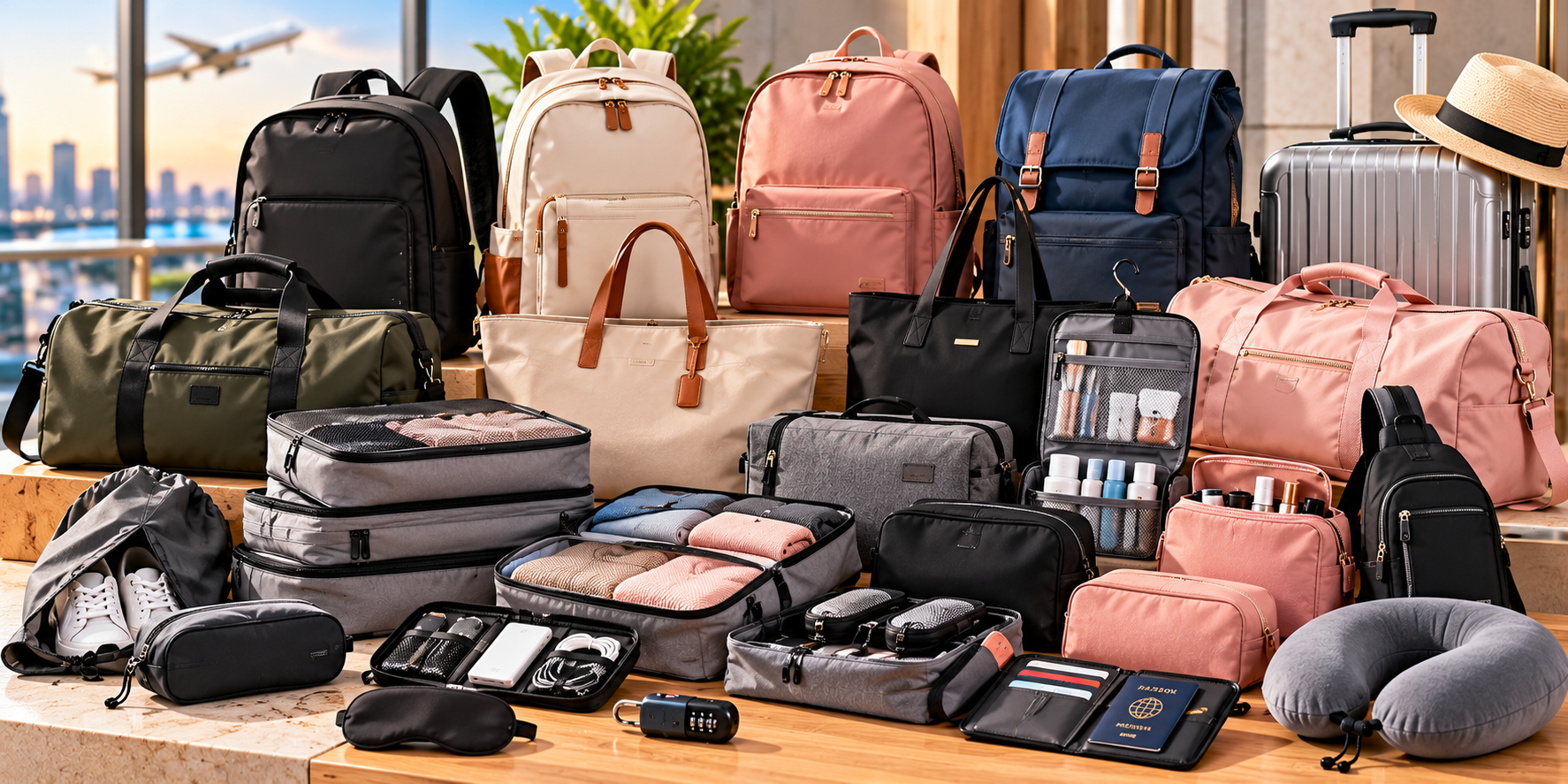
Bags and travel accessories serve everyday commuting, education, work, and leisure needs.
Potential products include tote bags, backpacks, packing cubes, cosmetic pouches, laptop sleeves, and travel organizers.
Why they are attractive: Many products can be differentiated through fabric, color, branding, and functional features.
Retail considerations: Check stitching, zipper quality, strap strength, dimensions, and fabric durability.
12. Clothing Basics and Casual Apparel
Clothing remains a major wholesale sourcing category, particularly for businesses developing private-label fashion brands.
Potential products include T-shirts, hoodies, sweatshirts, leggings, casual dresses, and basic everyday apparel.
Why they are attractive: Apparel supports brand identity, repeat collections, and customization.
Retail considerations: Sizing inconsistencies, fabric shrinkage, color variation, and returns can reduce profitability.
We recommend evaluating fabric composition, garment measurements, wash performance, and production consistency.
13. Car Interior Accessories
Automotive accessories can serve drivers seeking convenience, organization, and interior maintenance.
Examples include car seat organizers, interior storage accessories, microfiber cleaning cloths, and compatible phone holders.
Why they are attractive: Many accessories address specific everyday problems and can be demonstrated through product videos.
Retail considerations: Products must not interfere with airbags, driver visibility, vehicle controls, or other safety-critical systems.
14. Seasonal Decorations and Party Supplies
Seasonal products can generate demand around holidays, birthdays, weddings, and special events.
Potential products include decorative banners, table decorations, gift bags, ornaments, ribbons, and party accessories.
Why they are attractive: Seasonal merchandise can support targeted promotions and themed collections.
Retail considerations: Demand can decline sharply after an event or holiday.
We recommend ordering conservatively and accounting for manufacturing and shipping lead times.
15. Eco-Conscious and Reusable Household Accessories
Reusable household accessories can appeal to customers seeking alternatives to disposable products.
Examples include reusable shopping bags, washable cleaning cloths, refillable containers, and reusable produce bags.
Why they are attractive: Products with practical everyday functions may support repeat retail sales and differentiated branding.
Retail considerations: Environmental claims must be accurate and supported by evidence.
We should avoid describing products as sustainable, biodegradable, or environmentally friendly without appropriate substantiation.
Best Wholesale Products from China: Comparison Table
The following table provides a practical comparison of the 15 categories.
|
Product category |
Shipping considerations |
Customization potential |
Key challenge |
|---|---|---|---|
|
Phone accessories |
Usually compact |
High |
Compatibility |
|
Fashion jewelry |
Lightweight |
High |
Material safety |
|
Home organizers |
Size varies |
Medium |
Freight volume |
|
Beauty accessories |
Often compact |
High |
Product safety |
|
Pet accessories |
Usually manageable |
High |
Durability |
|
Drinkware |
Moderate weight |
High |
Food-contact compliance |
|
Kitchen gadgets |
Varies |
Medium |
Material compliance |
|
Fitness accessories |
Often compact |
Medium |
Strength and safety |
|
Stationery |
Usually manageable |
High |
Competition |
|
LED lighting |
Compact to medium |
High |
Electrical compliance |
|
Bags and backpacks |
Moderate volume |
High |
Construction quality |
|
Casual apparel |
Often compressible |
High |
Sizing and returns |
|
Car accessories |
Usually manageable |
Medium |
Vehicle safety |
|
Party supplies |
Often lightweight |
High |
Seasonality |
|
Reusable accessories |
Usually manageable |
High |
Environmental claims |
For new retail businesses, we generally favor products that are easy to inspect, inexpensive to ship, simple to store, and not subject to complex technical regulations.
How to Choose Profitable Wholesale Products from China
Choosing profitable inventory requires evaluating more than product popularity.
We recommend examining five essential factors.
1. Customer Demand
We should identify products that solve problems, serve recurring needs, or appeal to a clearly defined customer segment.
Market research can include competitor listings, customer reviews, search trends, retail marketplace data, and direct customer feedback.
2. Competition
Highly competitive categories can make it difficult for new retailers to differentiate their products.
Instead of selling generic merchandise identical to hundreds of competitors, we can focus on specialized designs, bundles, improved packaging, or underserved audiences.
3. Total Landed Cost
The landed cost includes the factory price and applicable expenses required to bring products into our inventory.
This can include shipping, insurance, duties, customs handling, inspection, and packaging.
4. Product Quality
Low-quality products can lead to refunds, negative reviews, and reduced customer trust.
We should evaluate samples before purchasing large quantities.
5. Repeat Purchase Potential
Some categories support repeat purchases, replacement purchases, or complementary product sales.
For example, a retailer selling home organization products may also offer matching storage accessories and related household merchandise.
How Much Profit Can Retailers Make from Chinese Wholesale Products?
Profitability depends on selling price, product costs, shipping, marketplace fees, marketing, returns, and business overhead.
Consider the following hypothetical example.
A retailer imports 500 units of a household accessory.
|
Cost component |
Amount |
|---|---|
|
Wholesale product cost |
$1,500 |
|
International shipping |
$350 |
|
Customs and import expenses |
$200 |
|
Inspection and packaging |
$150 |
|
Total landed cost |
$2,200 |
|
Landed cost per unit |
$4.40 |
If each product sells for $12, the gross profit before selling and operating expenses would be $7.60 per unit.
Where to Buy Wholesale Products from China
Several established platforms help international buyers identify Chinese suppliers.
-
1. Alibaba.com
Alibaba.com is widely used for bulk purchasing, supplier discovery, and customized manufacturing.
It is useful for comparing supplier quotations and discussing minimum order quantities.
Official website: Alibaba.com
-
2. 1688.com
1688.com focuses primarily on China's domestic wholesale market.
International buyers may need support with Chinese-language communication, payment arrangements, and export logistics.
Official website: 1688.com
-
3. Made-in-China.com
Made-in-China.com provides supplier directories across consumer goods, machinery, industrial products, and other manufacturing sectors.
Official website: Made-in-China.com
-
4. Global Sources
Global Sources offers supplier discovery services and sourcing exhibitions.
Official website: Global Sources
-
5. DHgate
DHgate offers products from independent merchants, including some smaller-quantity purchasing opportunities.
It may be useful for testing certain products before committing to larger wholesale orders.
Official website: DHgate
Best Cities in China for Wholesale Product Sourcing in 2027
China has several major wholesale and manufacturing hubs, each specializing in different product categories. The following table helps retail businesses identify the most suitable cities for sourcing wholesale products from China.
|
City |
Main wholesale products |
Best for retail businesses |
Key wholesale market or sourcing area |
|---|---|---|---|
|
Yiwu |
Fashion jewelry, gifts, stationery, toys, home accessories, party supplies |
Small retailers, mixed orders, product variety |
Yiwu International Trade Market |
|
Guangzhou |
Clothing, handbags, footwear, beauty accessories, fashion products |
Fashion boutiques, clothing brands, beauty retailers |
Baima Clothing Market, Shahe Markets |
|
Shenzhen |
Mobile accessories, electronics, smart gadgets, computer components |
Electronics retailers, tech stores, online sellers |
Huaqiangbei Electronics Market |
|
Foshan |
Furniture, lighting, ceramics, home decoration, building materials |
Furniture stores, home décor retailers |
Lecong Furniture Market |
|
Ningbo |
Household appliances, hardware, kitchenware, plastic products |
Homeware retailers, hardware stores, importers |
Ningbo manufacturing and export clusters |
|
Dongguan |
Electronics, packaging, toys, plastics, custom-manufactured products |
Private-label brands, OEM retailers |
Dongguan industrial manufacturing zones |
|
Shantou (Chenghai) |
Toys, educational games, plastic toys, novelty products |
Toy shops, children's product retailers |
Chenghai toy manufacturing district |
|
Shaoxing (Keqiao) |
Fabrics, textiles, garment materials |
Clothing manufacturers, fabric retailers |
China Textile City |
|
Wenzhou |
Shoes, eyewear, leather accessories, hardware |
Footwear shops, optical retailers |
Wenzhou footwear and eyewear clusters |
|
Zhongshan |
LED lighting, decorative lamps, lighting accessories |
Lighting retailers, home improvement stores |
Guzhen Lighting Market |
How to Find Reliable Wholesale Suppliers in China
Reliable suppliers are essential for maintaining product quality, consistent stock levels, and customer satisfaction.
We recommend following a structured verification process.
Step 1: Verify the Supplier's Business Information
Request the company's legal name, registered address, business license, and relevant manufacturing information.
Step 2: Compare Several Suppliers
Contact at least three qualified suppliers and request comparable quotations.
Step 3: Order Product Samples
Evaluate materials, construction, dimensions, packaging, and functionality.
Step 4: Confirm Quality Standards
Agree on measurable product specifications, defect criteria, and inspection procedures before production.
Step 5: Review Payment Terms
Use documented payment arrangements and verify bank details independently.
Step 6: Arrange Quality Inspections
For larger orders, independent pre-shipment inspections can help identify problems before goods leave China.
Step 7: Evaluate Supplier Performance
Track defect rates, delivery reliability, communication, and consistency across repeat orders.
How to Negotiate Wholesale Prices with Chinese Manufacturers
Negotiating successfully involves understanding the supplier's production costs and commercial constraints.
We recommend requesting tiered quotations for different order quantities.
For example, suppliers may quote separate prices for 100, 500, and 1,000 units.
We can also discuss standard packaging, simplified customization, consolidated shipping, and repeat-order arrangements.
However, lower prices should not come at the expense of material quality or product safety.
The objective is to obtain the best sustainable value, not simply the lowest unit price.
How to Import Wholesale Products from China
Importing wholesale merchandise involves manufacturing coordination, international transportation, customs clearance, and domestic delivery.
Choose the Appropriate Shipping Method
Sea freight is often suitable for large shipments, while air freight may be appropriate for urgent or higher-value merchandise.
Express courier services can be convenient for samples and small parcels.
Understand Shipping Terms
Incoterms such as EXW, FOB, CIF, and DDP define important responsibilities between buyers and sellers.
We should confirm the named location, applicable Incoterms version, and contractual responsibilities before arranging transportation.
Calculate Import Duties and Taxes
Import charges depend on the destination country, product classification, customs value, origin, and applicable trade rules.
Prepare Customs Documentation
Depending on the shipment, required documents may include a commercial invoice, packing list, transport documents, customs declarations, and relevant certificates.
Check Product Compliance
Electrical products, toys, cosmetics, food-contact materials, and other regulated goods may require specialized testing, labeling, or approvals.
Retailers should verify applicable requirements before ordering.
Common Mistakes Retailers Make When Buying Wholesale from China
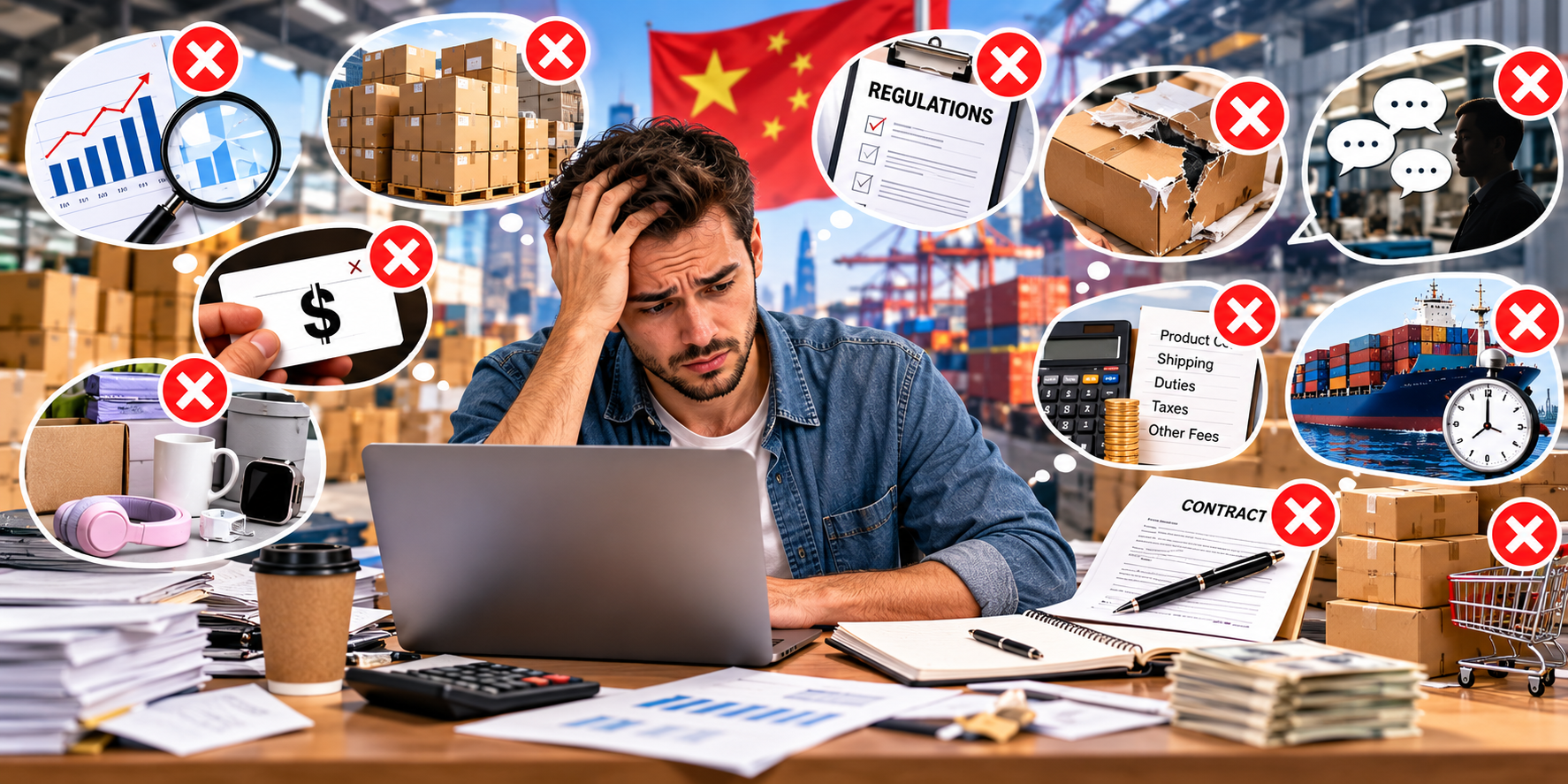
Several mistakes can undermine the profitability of wholesale imports.
Buying without market research: Products that appear attractive may have limited demand in the intended market.
Choosing suppliers solely by price: Extremely low quotations can conceal quality problems or excluded expenses.
Ignoring minimum order quantities: Excessive inventory commitments can create cash-flow pressure.
Skipping product samples: Product photographs do not establish actual quality.
Failing to calculate landed costs: Freight, taxes, and handling charges can significantly affect margins.
Overlooking import regulations: Noncompliant products may be delayed, rejected, or subject to enforcement action.
Ordering excessive inventory: Unsold products tie up capital and increase storage expenses.
Failing to document agreements: Unclear specifications and payment terms make disputes harder to resolve.
Frequently Asked Questions About Wholesale Products from China
1. What Are the Best Wholesale Products to Buy from China?
Popular categories worth researching include phone accessories, fashion jewelry, home organizers, pet accessories, stationery, drinkware, kitchen gadgets, and clothing basics. The best products depend on market demand, quality, landed costs, and competition.
2. What Are the Most Profitable Products to Import from China?
There is no universally most profitable category. Products with manageable sourcing costs, differentiated features, strong customer demand, and reasonable fulfillment expenses may offer attractive margins.
We recommend calculating profitability at the individual product level.
3. Where Can We Buy Wholesale Products from China?
Businesses can source merchandise through Alibaba.com, 1688.com, Made-in-China.com, Global Sources, DHgate, trade fairs, and direct manufacturer relationships.
4. Can Small Businesses Buy Wholesale from China?
Yes. Some suppliers accept smaller orders, particularly for existing products without customization.
Minimum order quantities vary by product and manufacturer.
5. Is It Safe to Buy Wholesale Products from China?
It can be safe when businesses verify suppliers, order samples, document agreements, use appropriate payment methods, and arrange quality inspections.
6. How Much Money Do We Need to Start Importing from China?
The starting budget depends on product costs, minimum order quantities, shipping, customs charges, inspection, and inventory requirements.
We recommend beginning with a manageable test order rather than committing most available capital to unproven merchandise.
7. What Products Are Easiest to Import from China?
Simple, lightweight, non-electrical products with limited regulatory complexity may be easier for beginners to manage.
However, every product must be checked against destination-market requirements.
8. Can We Put Our Own Brand on Chinese Wholesale Products?
Yes. Many manufacturers offer private-label services such as custom logos, packaging, colors, and product modifications.
Minimum order quantities and customization costs depend on the supplier.
9. How Long Does Shipping from China Take?
Delivery depends on production lead time, transportation method, destination, customs clearance, and local logistics.
Retailers should obtain written production and delivery estimates before ordering.
10. Is Alibaba Better Than DHgate for Wholesale Sourcing?
Alibaba.com is generally more oriented toward B2B supplier discovery and custom manufacturing.
DHgate can be useful for smaller wholesale-style orders and testing existing products.
The best choice depends on order size, product requirements, and supplier reliability.
11. How Do We Avoid Counterfeit Wholesale Products?
We recommend purchasing branded merchandise only through authorized distribution channels and verifying intellectual property rights before importing.
A supplier's claim that a product is authentic should not be accepted without supporting evidence.
12. How Can Retailers Increase Profit Margins?
Retailers can improve margins by negotiating sustainable supplier prices, reducing avoidable freight costs, improving inventory planning, minimizing defects, creating differentiated product bundles, and managing advertising expenses.
13. What Wholesale Products Should Beginners Avoid?
Beginners may wish to avoid products with complex safety requirements, uncertain intellectual property rights, high return rates, or expensive shipping relative to selling price.
Examples requiring particular caution include safety-critical electronics, medical devices, and certain children's products.
14. Is Wholesale Sourcing from China Worth It in 2027?
Wholesale sourcing from China can be commercially worthwhile when products meet customer needs and generate sustainable margins after all relevant expenses.
Because 2027 is a future period, retailers should reassess supplier quotations, market demand, shipping costs, and trade requirements before making purchasing commitments.
Final Verdict: Best Wholesale Products from China for Retail Businesses in 2027
The best wholesale products from China are those that combine proven customer demand, consistent quality, competitive landed costs, and realistic opportunities for retail differentiation.
For businesses starting with limited experience, we recommend researching categories such as home organization accessories, stationery, simple fashion accessories, reusable bags, and selected non-electrical household products.
More complex categories, including electronics, electrical lighting, and regulated beauty products, may offer commercial opportunities but require stronger technical expertise and compliance controls.
Our preferred strategy is to identify a focused product niche, compare qualified manufacturers, order samples, validate customer demand, and scale inventory gradually.
By prioritizing reliable suppliers, clear product specifications, disciplined financial planning, and effective quality control, we can build a more resilient retail sourcing operation.
Here are some related articles you may find interesting: