Back To Blog
 Fidget Toys: Best Types, Benefits & Buying Guide (2027)
Fidget toys have become increasingly popular among children, teenagers, and adults seeking enjoyable ways to keep their hands occupied, manage everyday restlessness, and support concentration.
From colorful pop-it toys and squishy stress balls to sophisticated fidget cubes and magnetic sensory gadgets, these compact accessories offer a wide range of tactile experiences.
We recognize that choosing the right fidget toy involves more than selecting an attractive design. Different toys provide different sensations, levels of resistance, sounds, and movements.
Understanding these characteristics allows us to identify options that suit individual sensory preferences, everyday activities, and age groups.
In this comprehensive guide, we explore the best fidget toys, their potential benefits, popular varieties, safety considerations, and practical ways to incorporate them into daily routines.
What Are Fidget Toys?
Fidget toys are small handheld objects designed to encourage repetitive movements, tactile exploration, and sensory engagement. They typically feature mechanisms that allow users to squeeze, spin, twist, click, stretch, roll, or press different components.
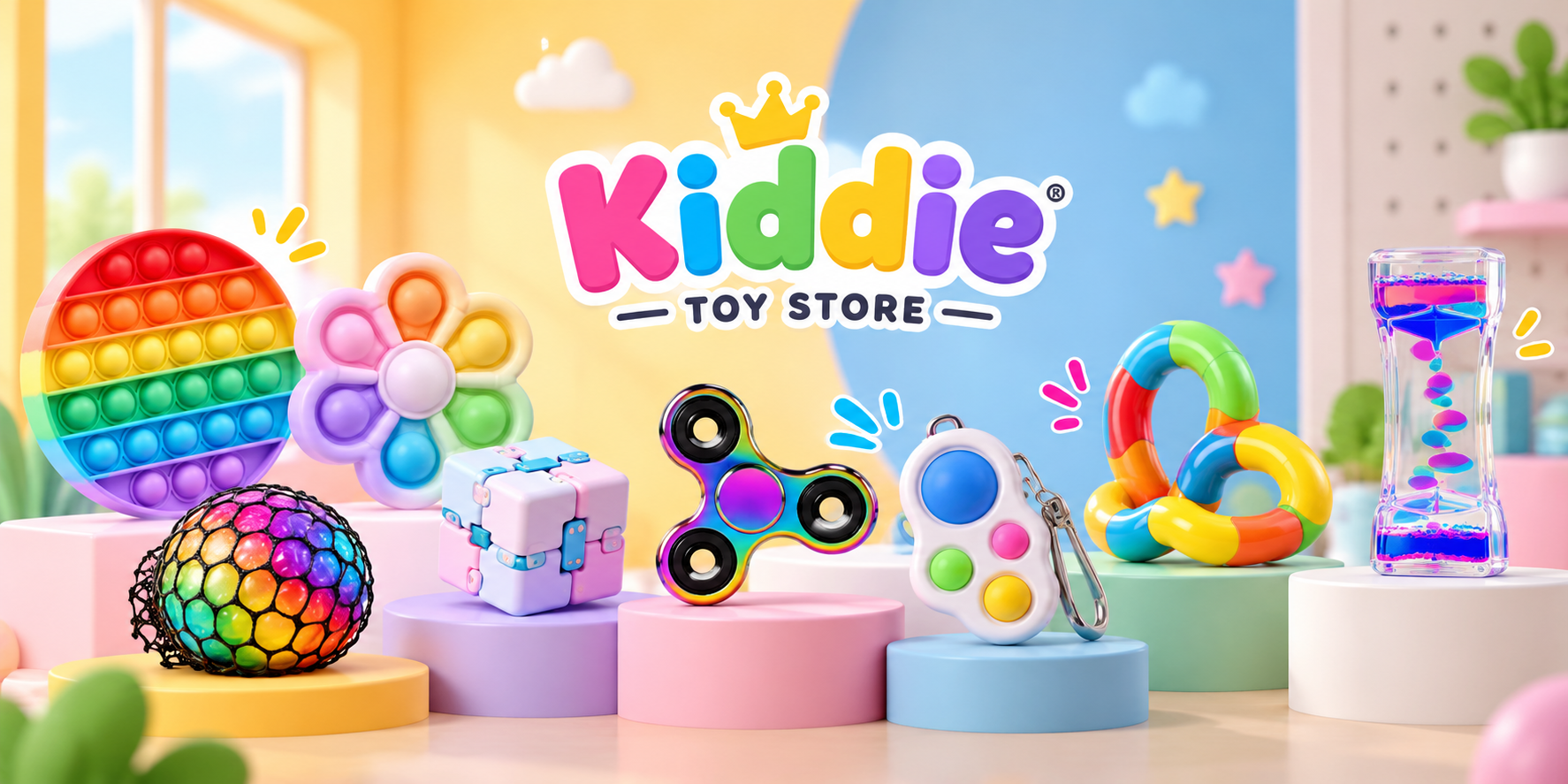
Unlike conventional toys primarily designed for imaginative play, many fidget toys emphasize repetitive physical interaction. Their appeal often comes from the predictable sensory feedback produced by each movement.
Common examples include:
-
Fidget spinners: Rotating devices that spin around a central bearing.
-
Pop-it fidget toys: Silicone toys with bubbles that can be repeatedly pressed.
-
Stress balls: Soft, squeezable objects that provide tactile resistance.
-
Fidget cubes: Compact gadgets featuring buttons, switches, rollers, and other interactive elements.
-
Sensory rings: Small accessories that can be rotated or manipulated with the fingers.
-
Infinity cubes: Hinged blocks that fold continuously into different configurations.
-
Stretchy sensory toys: Flexible objects designed for pulling, twisting, and stretching.
The versatility of these products makes them appealing to individuals with different interests, sensory preferences, and lifestyles.
Benefits of Fidget Toys for Children and Adults
Fidget toys are frequently associated with stress relief, improved attention, and sensory regulation. Although individual experiences vary and scientific evidence remains mixed, many users appreciate the physical engagement these products provide.
1. Fidget Toys for Stress Relief
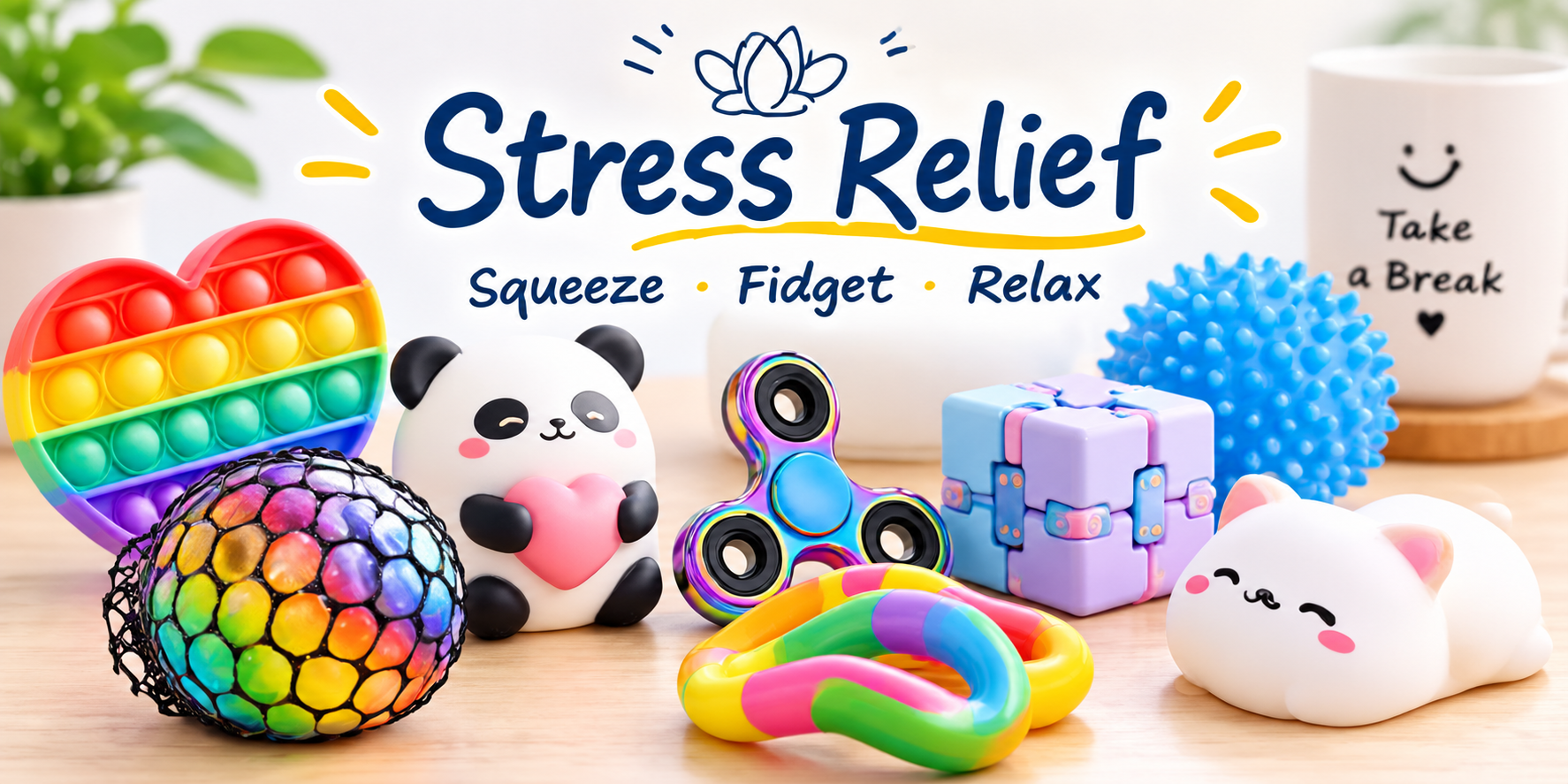
One of the most common reasons people use fidget toys is to manage everyday feelings of tension or restlessness.
Repetitive movements such as squeezing a stress ball or rotating a sensory ring can provide a familiar physical activity during stressful moments. Some individuals find that predictable tactile sensations help them feel calmer.
For example, using a soft stress ball while preparing for a presentation may provide a discreet outlet for nervous energy.
However, fidget toys should be understood as comfort and self-regulation accessories rather than medical treatments for anxiety or other mental health conditions.
2. Fidget Toys for Focus and Concentration
Some individuals find that keeping their hands occupied helps them remain engaged during meetings, lectures, reading sessions, or other activities requiring sustained attention.
A quiet fidget toy may provide a small amount of movement without requiring substantial visual attention.
We recommend selecting simple, low-distraction designs for situations where concentration is especially important. A silent sensory ring, for instance, may be more appropriate in a classroom than a loud clicking cube.
Research has not established that fidget toys consistently improve concentration for everyone. Their effectiveness depends on the individual, the task, and the environment.
3. Sensory Stimulation and Exploration
Sensory fidget toys provide different combinations of texture, pressure, movement, and sound.
A textured silicone ball may offer tactile stimulation, while a spinning toy provides movement and visual feedback.
These experiences can be particularly appealing to individuals who enjoy repetitive sensory activities.
We can choose toys according to specific sensory preferences, including smooth surfaces, soft resistance, firm pressure, or gentle movement.
4. Convenient Entertainment
Fidget toys are portable, reusable, and generally easy to operate.
Their compact dimensions make many designs suitable for backpacks, desks, handbags, and travel accessories.
Unlike electronic entertainment, most fidget toys require no charging, internet connection, or screen time.
Types of Fidget Toys: Popular Designs Explained
Pop-It Fidget Toys
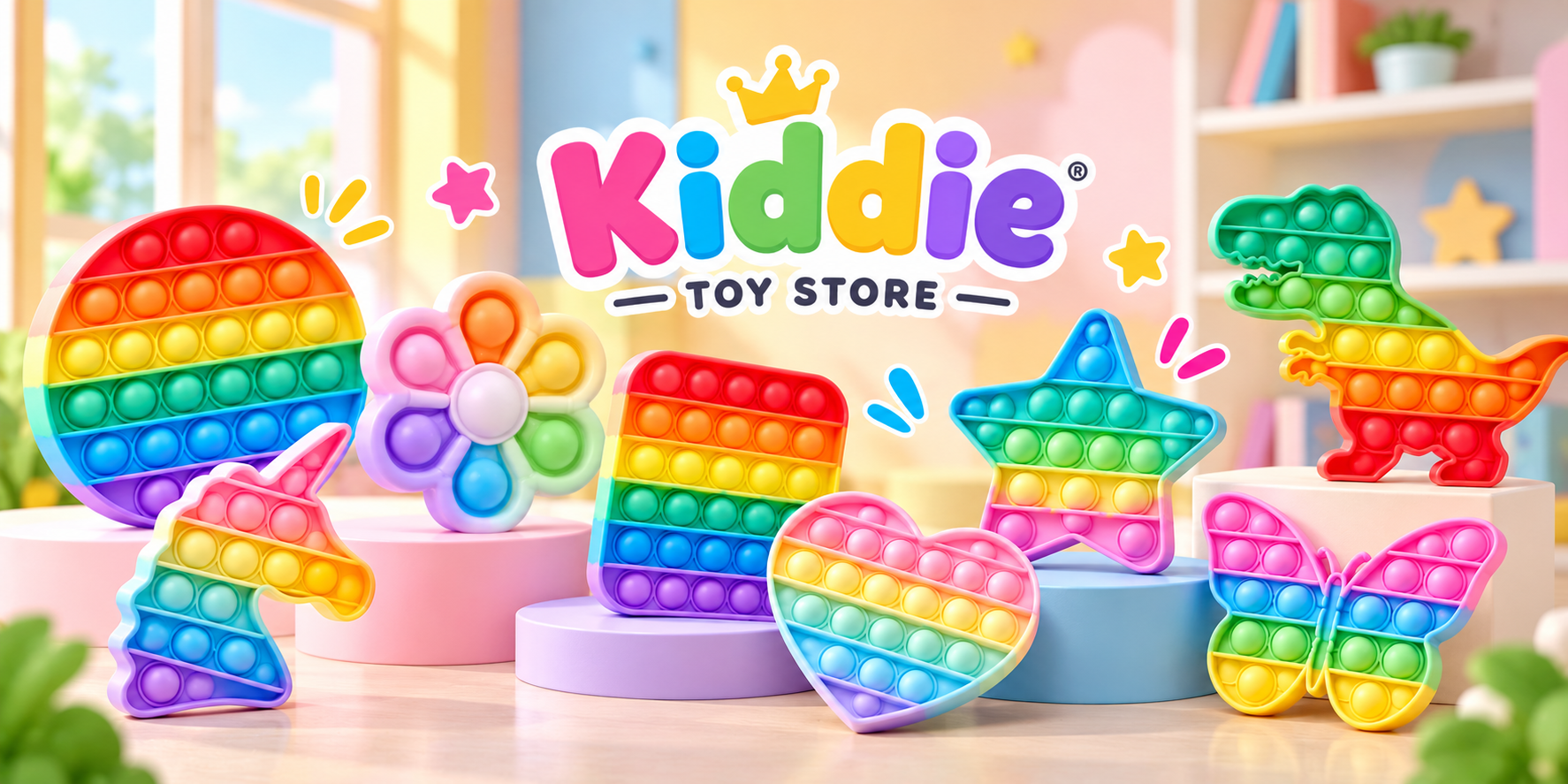
Pop-it toys feature flexible silicone bubbles that can be pressed through the surface and reset from the opposite side. Their satisfying tactile feedback and colorful designs make them popular for casual sensory play. They are available in circles, squares, animals, and other decorative shapes.
Fidget Spinners
Fidget spinners use a central bearing and weighted arms to create smooth rotational movement. Users hold the center and flick the outer sections to initiate spinning. Their appeal comes from rhythmic movement and visual motion.
Squishy Toys and Stress Balls
Squishy fidget toys are designed to be compressed and released. Some contain foam, while others use gel-like or bead-filled materials. The pressure and rebound sensation make them particularly suitable for users who prefer squeezing movements.
Fidget Cubes
Fidget cubes combine several interactive mechanisms in one compact device. Their surfaces may include switches, buttons, dials, and rolling elements. This variety makes them appealing to users who enjoy changing between different movements.
Infinity Cubes
Infinity cubes consist of connected blocks that fold repeatedly through a continuous sequence. They provide an engaging mechanical experience and are often preferred by people who enjoy structured hand movements.
Best Fidget Toys for Different Needs
The ideal fidget toy depends on where it will be used, how it feels, and whether it creates noise.
|
Purpose |
Recommended fidget toy |
Main advantage |
|---|---|---|
|
Everyday stress relief |
Stress ball |
Squeezable resistance |
|
Quiet office use |
Sensory ring |
Discreet and portable |
|
Classroom activities |
Silent pop-it or textured toy |
Simple tactile engagement |
|
Travel entertainment |
Infinity cube |
Compact repetitive movement |
|
Variety of sensations |
Fidget cube |
Multiple interactive features |
|
Visual stimulation |
Fidget spinner |
Smooth rotational movement |
|
Sensory exploration |
Textured silicone toy |
Different tactile surfaces |
We recommend testing different textures and mechanisms rather than assuming that one particular design will suit every user.
Fidget Toys for Kids: Learning, Play, and Sensory Development
Children often enjoy fidget toys because of their bright colors, distinctive textures, and simple interactive mechanisms.
These toys can also be incorporated into supervised play activities that encourage exploration and fine motor movements.
Fine Motor Skills and Hand Coordination
Activities such as pressing silicone bubbles, rotating a ring, or folding an infinity cube involve controlled finger movements.
These movements provide opportunities to practice hand coordination and manipulate small objects.
However, fidget toys should complement rather than replace broader developmental activities such as drawing, building, writing, and outdoor play.
Sensory Play for Children
Sensory play encourages children to explore physical properties such as texture, flexibility, resistance, and movement.
For example, we can introduce several age-appropriate sensory objects with different surfaces and ask children to describe how each one feels.
This creates opportunities to develop descriptive vocabulary while engaging in hands-on exploration.
Classroom Fidget Toys
Quiet fidget toys may be suitable for some classroom environments when their use does not interfere with learning.
We recommend that educators establish clear expectations, including keeping toys below desk level when appropriate, avoiding throwing or sharing during instruction, and selecting designs without distracting sounds.
Not every child benefits from a fidget toy during lessons. Individual needs and classroom expectations should guide their use.
Fidget Toys for Adults: Office, Study, and Everyday Use
Fidget toys are not exclusively children's products. Many adults use them during work, study, commuting, or leisure activities.
For professional environments, appearance and noise level are especially important.
Discreet fidget toys such as smooth sensory rings, compact stress balls, and quiet rolling accessories can be used without attracting unnecessary attention.
During long meetings, a small handheld object may provide a convenient alternative to tapping fingers on a desk or repeatedly clicking a pen.
For people working from home, larger sensory accessories may also be practical because noise and visibility are less restrictive.
We recommend considering whether a toy can be used comfortably with one hand, whether it requires visual attention, and whether its movements are compatible with the activity being performed.
Fidget Toys for ADHD and Autism: Understanding Sensory Preferences
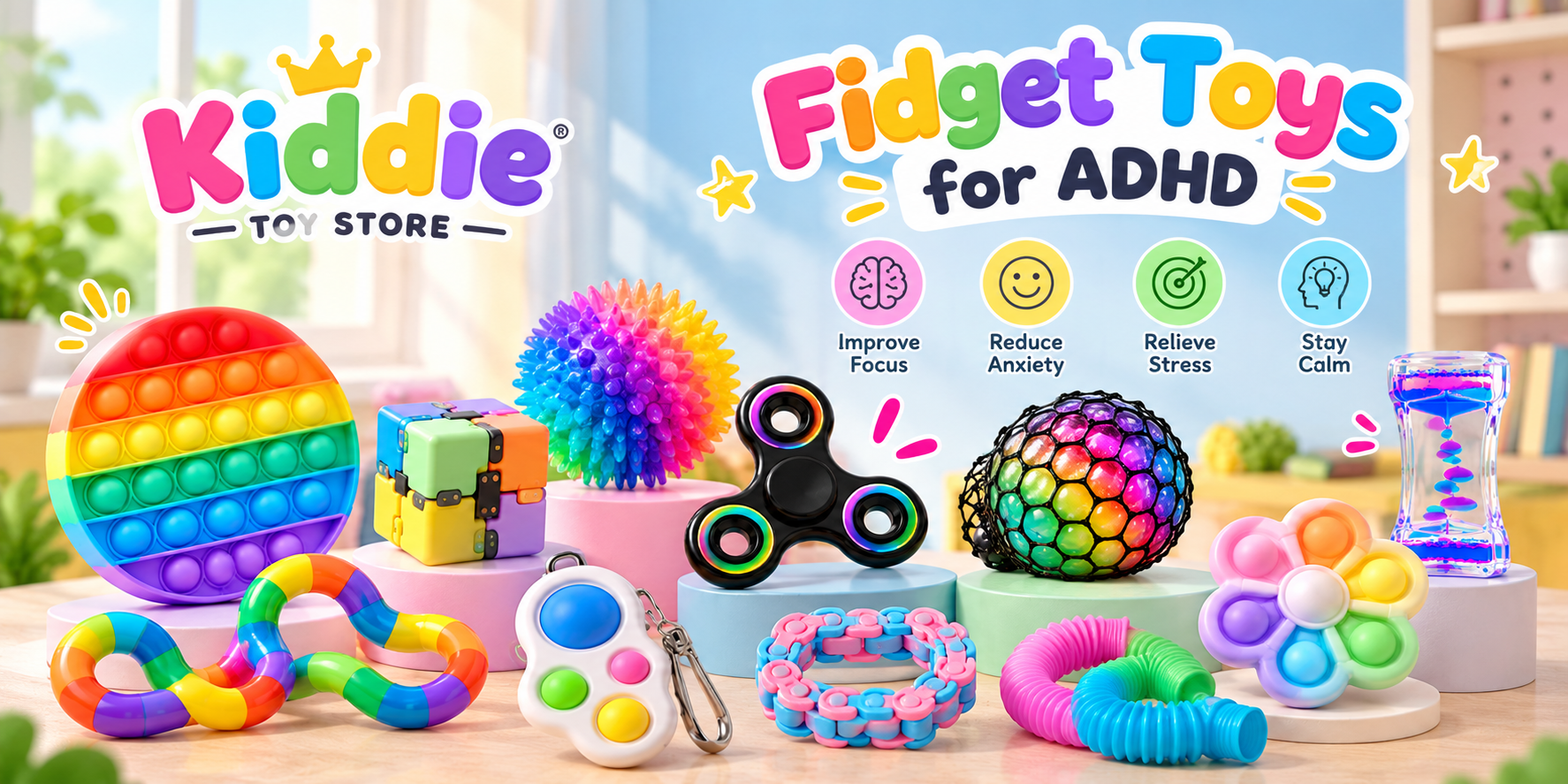
Fidget toys are frequently marketed toward individuals with attention-deficit/hyperactivity disorder (ADHD) and autistic individuals.
Some people with ADHD or autism find repetitive movements or tactile objects helpful for personal comfort, sensory regulation, or managing restlessness.
However, sensory preferences differ considerably.
One individual may enjoy firm pressure from a stress ball, while another may prefer a smooth ring or a textured object. Some people may find fidget toys distracting or unpleasant.
Fidget toys are not proven treatments for ADHD or autism, and they should not replace individualized educational support, occupational therapy when indicated, or other professional care.
When selecting sensory accessories, we should prioritize the user's preferences, comfort, and the demands of the surrounding environment.
How to Choose the Best Fidget Toys
Choosing the right fidget toy requires evaluating several practical factors.
Material Quality
Common materials include silicone, plastic, foam, rubber, and metal.
High-quality silicone is often flexible and easy to clean, while metal accessories may offer greater weight and mechanical precision.
We recommend looking for products with smooth finishes, secure components, and clear manufacturer information.
Noise Level
Some fidget toys produce noticeable clicking, popping, or rattling sounds.
These sounds may be enjoyable in private settings but distracting in shared environments.
For libraries, offices, and classrooms, silent or nearly silent designs are generally preferable.
Portability
Pocket-sized fidget toys are convenient for travel and everyday use.
Larger toys may provide more surface area for sensory interaction but can be less practical to carry.
Durability
A durable fidget toy should withstand repeated handling without cracking, leaking, or releasing small components.
We recommend checking hinges, seams, bearings, and flexible surfaces regularly.
Age Appropriateness and Safety
Product safety is particularly important when purchasing fidget toys for young children.
Small detachable pieces, loose magnets, batteries, and liquid or gel fillings can present hazards.
We recommend following manufacturer age labels, inspecting products for damage, and supervising younger users.
High-powered magnets and button batteries require particular caution because swallowing them can cause severe internal injuries. If ingestion is suspected, seek emergency medical care immediately.
Are Expensive Fidget Toys Better Than Cheap Fidget Toys?
Price does not always determine the quality or usefulness of a fidget toy.
Affordable silicone pop-it toys and basic stress balls may provide the same preferred tactile experience as more expensive products.
Premium designs sometimes feature metal construction, precision bearings, specialized mechanisms, or higher-quality finishes.
We suggest evaluating value through durability, comfort, safety, and frequency of use rather than price alone.
A simple toy that feels comfortable and is used regularly may offer better value than an elaborate gadget that remains unused.
How to Clean and Maintain Fidget Toys
Proper cleaning helps keep frequently handled toys hygienic and functional.
For washable silicone toys, mild soap and warm water are often sufficient, provided the manufacturer's instructions allow washing.
Electronic or metal fidget toys may require wiping with a slightly damp cloth rather than immersion.
We recommend allowing toys to dry completely before storage and avoiding harsh cleaning chemicals that could damage their surfaces.
Stress balls and squishy toys should be checked for punctures or leaks. Damaged toys containing beads, gels, or other fillings should be discarded safely.
Mechanical toys may also require occasional inspection to ensure that hinges and moving parts remain secure.
Creative Ways to Use Fidget Toys
Fidget toys can be incorporated into various everyday activities beyond casual entertainment.
For study sessions, we can keep a quiet sensory object nearby and assess whether it helps or distracts from the task.
During travel, compact fidget toys can provide screen-free entertainment while waiting at airports, riding in vehicles, or sitting through long journeys.
For supervised children's activities, different fidget toys can be grouped by texture, shape, or movement type.
We can also use sensory objects as part of a relaxation routine, combining gentle repetitive movement with comfortable seating and calm breathing.
These uses are most beneficial when they reflect personal preferences rather than rigid expectations about how fidget toys should work.
Frequently Asked Questions About Fidget Toys
What is the most popular type of fidget toy?
Pop-it toys, fidget spinners, stress balls, and fidget cubes are among the most widely recognized varieties. Popularity varies with age, trends, and individual preferences.
Do fidget toys actually help with stress?
Some people find that repetitive tactile activities help them feel calmer or less restless. However, responses vary, and research does not establish fidget toys as a reliable treatment for stress or anxiety disorders.
Can fidget toys improve concentration?
Fidget toys may help certain individuals remain engaged with a task, but evidence of consistent improvements in concentration is limited. Some toys may instead create additional distractions.
Are fidget toys suitable for adults?
Yes. Many fidget toys are designed for adults or are suitable for users across different age groups. Quiet sensory rings, stress balls, and compact mechanical toys are common adult-friendly options.
What are the best silent fidget toys?
Soft stress balls, smooth sensory rings, textured silicone objects, and certain silent sliders are practical choices for quiet environments.
Are fidget toys safe for toddlers?
Not all fidget toys are safe for toddlers. Products with small parts, detachable magnets, batteries, or potentially hazardous fillings should be avoided. Always select toys specifically rated for the child's age and follow applicable safety guidance.
What is the difference between sensory toys and fidget toys?
Sensory toys are a broad category of products designed to stimulate or explore the senses. Fidget toys are a more specific category focused on repetitive manipulation, often involving hand movements. Many products fit both categories.
Can fidget toys be used in school?
Fidget toys may be appropriate in schools when permitted by classroom rules and used without disrupting instruction. Quiet, discreet designs are generally better suited to educational settings.
Conclusion: Finding the Right Fidget Toys for Everyday Comfort and Enjoyment
Fidget toys combine portability, tactile engagement, and simple entertainment in an accessible range of designs.
Whether we prefer the gentle resistance of a stress ball, the repetitive motion of an infinity cube, the satisfying bubbles of a pop-it toy, or the mechanical variety of a fidget cube, there are options for many sensory preferences.
The best fidget toys are those that feel comfortable, suit their intended environment, meet relevant safety requirements, and provide an enjoyable experience without unnecessary distraction.
By focusing on quality, sensory preferences, age suitability, durability, and practical functionality, we can select fidget toys that offer lasting value for children and adults alike.
Here are some related articles you may find interesting: