Back To Blog
 IP & Collectible Toys: The Fastest-Growing Retail Trend in 2027
The global toy industry is experiencing a significant transformation, driven by the growing popularity of intellectual property (IP) toys, collectible figures, designer toys, blind boxes, and licensed merchandise.
Once primarily associated with children's entertainment, toys have evolved into lifestyle products, cultural symbols, and desirable collectibles for consumers of all ages.
We are witnessing a fundamental shift in how consumers discover, purchase, and interact with toys.
Rather than focusing exclusively on traditional play experiences, modern shoppers increasingly seek products that offer emotional connections, entertainment value, personal identity, and collectible appeal.
From iconic characters such as Pokémon and Hello Kitty to designer collectibles including LABUBU, BE@RBRICK, and limited-edition art toys, intellectual property is becoming a powerful force in retail.
For retailers, distributors, licensors, and investors, the expanding IP and collectible toy market represents an attractive growth opportunity.
Although growth rates differ across markets and product segments, licensed collectibles and adult-oriented toys are among the industry's most dynamic categories.
In this article, we explore:
-
What IP and collectible toys are and why they are gaining popularity worldwide.
-
The key trends driving market growth, including adult collectors, blind boxes, and social media influence.
-
The most popular collectible toy categories, from designer figures to licensed merchandise.
-
How brands such as POP MART are shaping the industry through original characters and innovative retail strategies.
-
The opportunities for retailers and investors looking to capitalize on the growing collectible toy market.
-
The future of IP and collectible toys, including emerging consumer trends and long-term growth potential.
Whether we are examining evolving consumer preferences or identifying new retail opportunities, understanding the IP and collectible toy industry in 2027 is essential for staying competitive in this rapidly changing market.
What Are IP Toys and Collectible Toys?
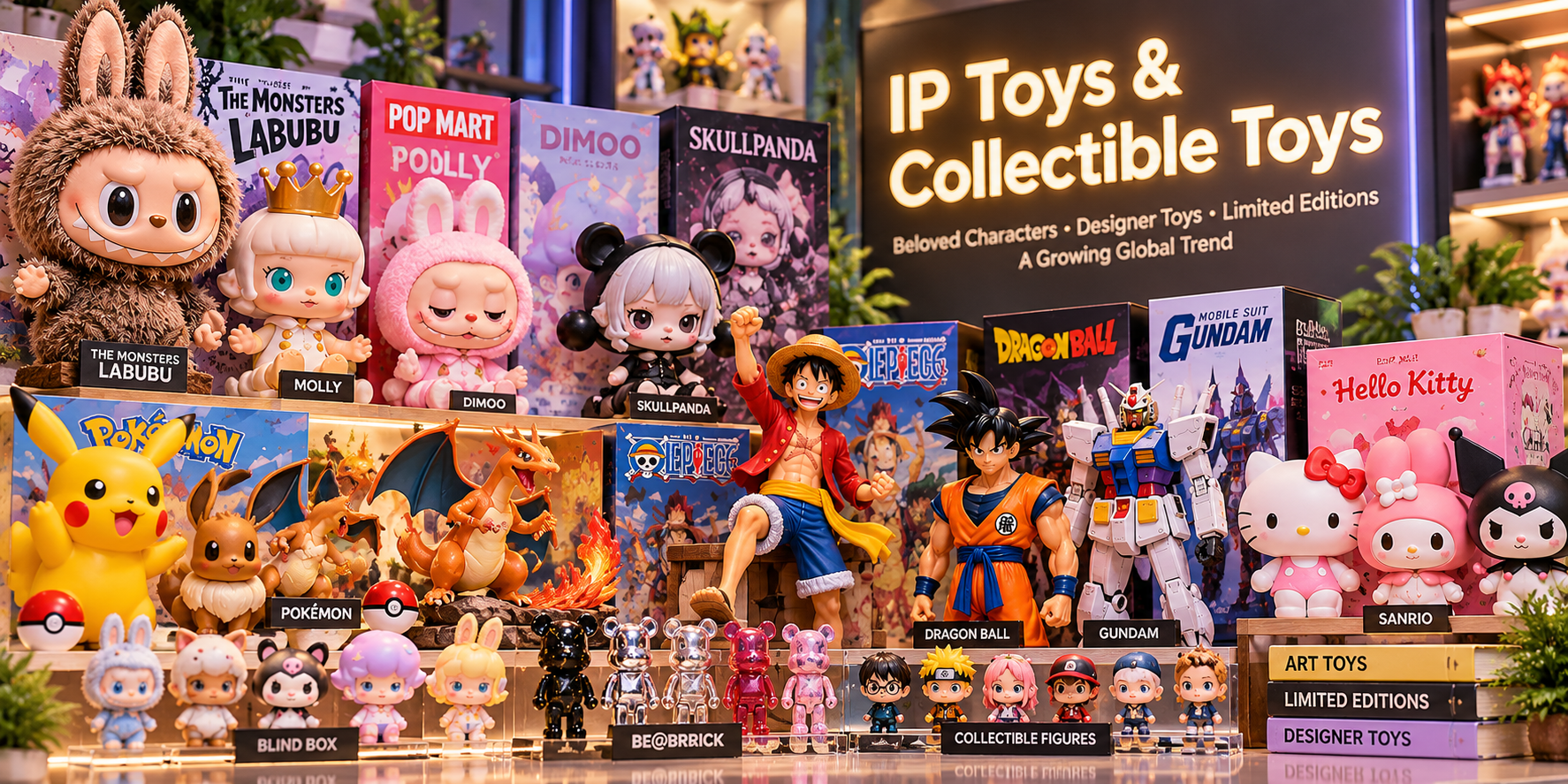
IP toys are products developed around intellectual property, including characters, fictional universes, entertainment franchises, original artistic creations, and recognizable brands.
These products benefit from established identities, visual recognition, storytelling, and emotional relationships between consumers and characters.
Common categories include:
-
Licensed character toys: Products based on movies, television programs, anime, comics, and video games.
-
Designer toys: Artist-created figures featuring distinctive aesthetics and original characters.
-
Blind box collectibles: Mystery-packaged figures that encourage discovery and collection.
-
Action figures: Detailed representations of characters from popular entertainment franchises.
-
Vinyl art toys: Stylized figures designed for display, collecting, and artistic appreciation.
-
Limited-edition collectibles: Products released in restricted quantities, often through collaborations or exclusive retail channels.
-
Trading card collectibles: Licensed collectible cards associated with entertainment, gaming, and competitive communities.
Unlike conventional toys, many IP collectibles are designed primarily for display, gifting, collecting, trading, and emotional enjoyment.
Their appeal often extends beyond functionality, allowing successful characters to generate demand across multiple product categories.
Why IP and Collectible Toys Are Growing So Quickly
Several interconnected consumer, cultural, and commercial trends are accelerating the development of the collectible toy industry.
1. Adult Collectors Are Reshaping Toy Retail
One of the most influential changes in the global toy industry is the increasing participation of adult consumers.
Often described as kidults, these shoppers purchase toys for nostalgia, relaxation, collecting, decoration, and personal enjoyment.
Adult collectors frequently demonstrate purchasing behaviors that differ from those of traditional toy shoppers.
They may prioritize detailed craftsmanship, recognizable intellectual property, limited production runs, display quality, and authenticity over conventional play features.
We see particularly strong opportunities in products associated with childhood memories, anime franchises, gaming culture, and contemporary character design.
Popular categories include premium action figures, collectible statues, building sets, designer vinyl figures, and licensed merchandise.
For retailers, adult collectors create opportunities to expand beyond traditional holiday-driven toy sales and establish more consistent year-round engagement.
2. Emotional Connections Drive Repeat Purchases
The success of collectible toys is closely connected to emotional purchasing behavior.
Consumers often develop meaningful relationships with characters through movies, games, animation, social media, and personal experiences.
When these characters become physical collectibles, consumers gain an opportunity to express their interests and identities.
A Pokémon collector, for example, may purchase products associated with favorite characters, specific generations, or memorable gaming experiences.
Similarly, a designer toy enthusiast may follow an artist's creative development and collect multiple releases within the same character universe.
This emotional connection can support repeat purchasing, particularly when brands introduce new designs, seasonal collections, or collaborations.
Strong intellectual property transforms individual toy purchases into ongoing relationships between brands and consumers.
3. Social Media Accelerates Collectible Toy Discovery
Social platforms have become essential discovery channels for collectible toys.
TikTok, Instagram, YouTube, and other visual platforms allow consumers to encounter new characters, watch unboxing videos, compare collections, and participate in enthusiast communities.
Blind box unboxing content is especially suited to short-form video because it combines anticipation, surprise, visual appeal, and emotional reactions.
Collectors also share display arrangements, rare discoveries, customization projects, and collection updates.
These activities create organic exposure for products and can accelerate awareness of emerging brands.
However, viral attention does not automatically translate into sustainable demand.
We believe successful collectible toy brands must combine social visibility with consistent product quality, reliable availability, compelling character development, and responsible community engagement.
The Rise of Blind Box Toys and Mystery Collectibles
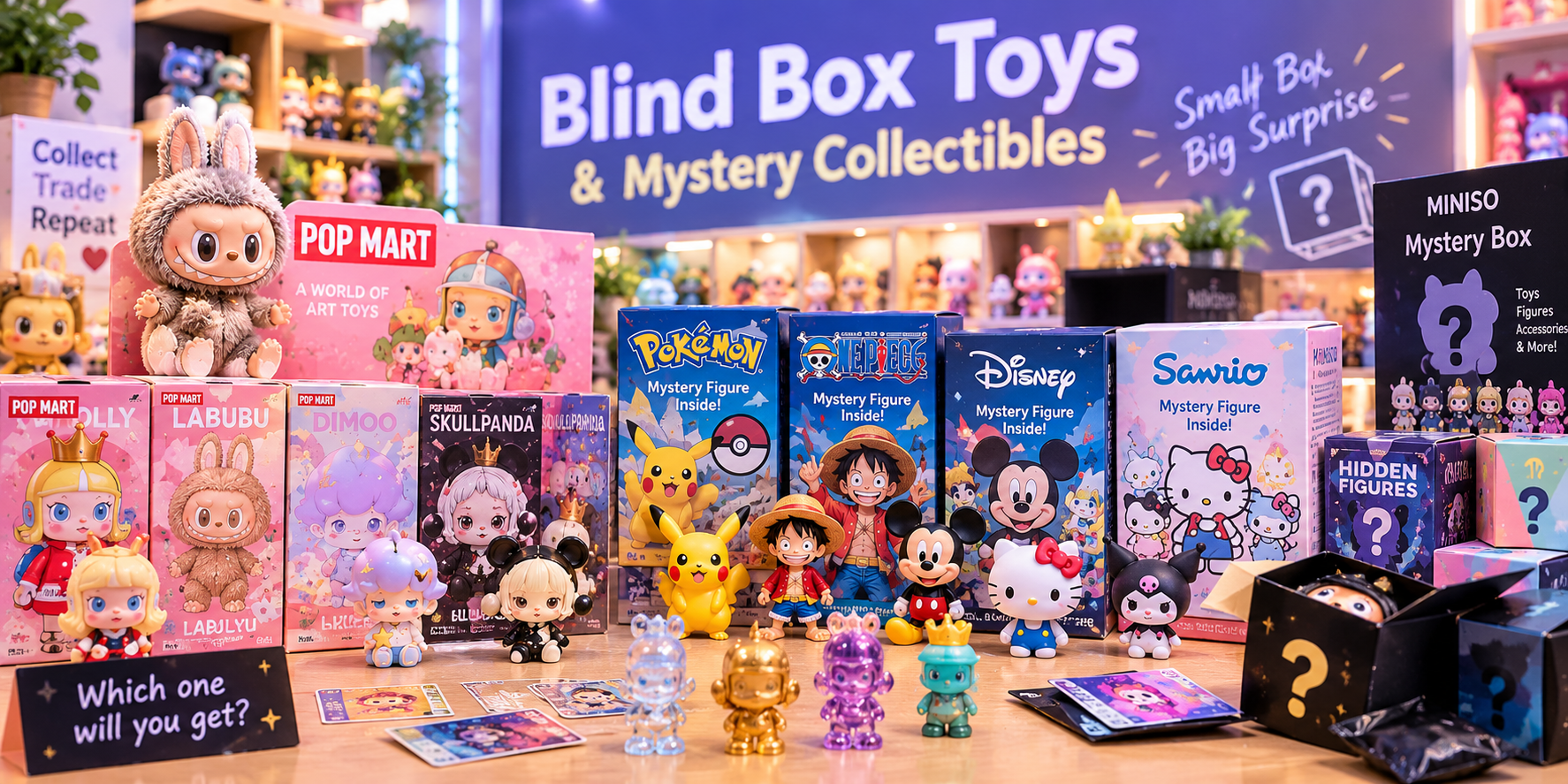
Blind box toys have become one of the most recognizable formats within the modern collectible toy market.
A blind box contains a collectible figure or product whose specific design is concealed until the packaging is opened.
Most collections feature multiple standard designs and may include a less common secret edition.
The format combines several consumer experiences: surprise, character appreciation, collection building, and social sharing.
Why Blind Boxes Appeal to Consumers
Blind box collections offer a relatively accessible entry point into designer collectibles compared with many premium statues and limited-edition art pieces.
Their compact packaging also makes them suitable for gifting, impulse purchases, and small retail spaces.
From a merchandising perspective, a cohesive series encourages customers to explore multiple character variations.
For collectors, the experience may involve completing a themed set, exchanging duplicates, or searching for a preferred design.
We recommend that retailers communicate product probabilities, purchasing terms, and collection details clearly.
Transparent merchandising is especially important because randomized products can encourage excessive purchasing when consumers chase rare figures.
POP MART and the Expansion of Designer Collectibles
POP MART has played a major role in popularizing designer toy collecting internationally.
Its character portfolios, blind box products, retail experiences, and artist collaborations demonstrate how original intellectual property can support a diversified merchandise business.
Characters such as LABUBU, MOLLY, DIMOO, and SKULLPANDA illustrate different approaches to collectible character design.
These franchises appeal to consumers through distinctive aesthetics, recognizable personalities, and expanding product collections.
The broader lesson for the industry is that successful collectible businesses increasingly operate as IP development and consumer engagement platforms, rather than simply manufacturers of individual toys.
Most Popular IP and Collectible Toy Categories
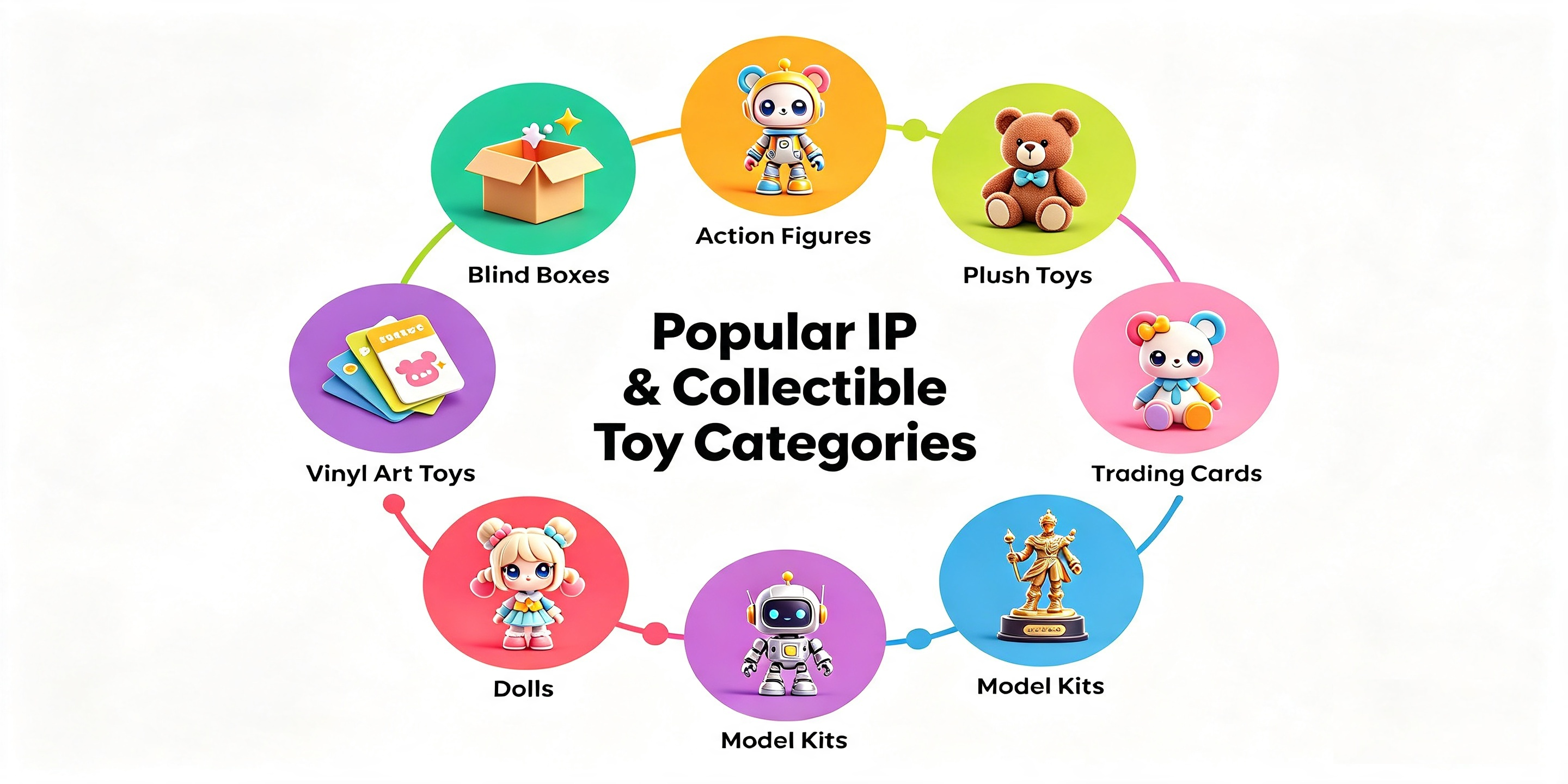
Designer Toys and Art Collectibles
Designer toys blend illustration, sculpture, fashion, and contemporary visual culture. Distinctive characters can support multiple product formats, including vinyl figures, plush accessories, keychains, and larger display pieces.
Anime, Gaming, and Entertainment Merchandise
Established franchises such as Pokémon and One Piece provide extensive character libraries and established fan communities. Their merchandise ecosystems include figures, plush toys, cards, and accessories.
Premium and Limited-Edition Figures
Premium collectibles emphasize artistic design, materials, manufacturing quality, licensing, and exclusivity. Collaborations with artists, fashion labels, and entertainment properties can attract specialist collectors.
Lifestyle and Character Merchandise
Recognizable characters such as Hello Kitty and Kuromi extend beyond toys into bags, accessories, stationery, home décor, and fashion, creating opportunities for cross-category retail.
How Intellectual Property Creates Long-Term Retail Value
Intellectual property provides collectible toy businesses with an opportunity to create value beyond the physical product itself.
A traditional toy may compete primarily through price, materials, features, and distribution.
An IP-driven collectible also competes through character recognition, storytelling, cultural relevance, community participation, and brand loyalty.
We identify four essential components of a strong collectible IP strategy.
Distinctive Character Design
Successful characters require recognizable visual identities.
Silhouettes, facial expressions, color palettes, accessories, and personality traits can all contribute to recognition.
Distinctive designs are particularly important in digital environments, where products must attract attention through small images and short videos.
Consistent Storytelling
Character development creates opportunities for consumers to form deeper relationships with a brand.
Storytelling may take the form of animation, comics, illustrations, games, artist interviews, or themed product releases.
Not every collectible requires a complex fictional universe. However, a coherent identity helps consumers understand why a character is meaningful and how new products fit into the broader collection.
Product Line Expansion
Successful intellectual property can support multiple merchandise categories.
A character introduced as a vinyl figure may eventually appear in plush toys, apparel, accessories, stationery, home products, and licensed collaborations.
This approach allows brands to reach different customer segments without relying entirely on new character development.
Brand Protection and Authenticity
As collectible franchises gain popularity, counterfeit products and unauthorized merchandise can become significant commercial risks.
We consider authentication, authorized distribution, packaging consistency, and intellectual property enforcement essential for protecting long-term brand value.
Retailers should source licensed products through verified suppliers and maintain documentation confirming authenticity.
The Commercial Advantages of Collectible Toys for Retailers
The growth of collectible toys creates several opportunities for physical stores, online retailers, shopping centers, and specialty distributors.
|
Retail advantage |
Commercial opportunity |
|---|---|
|
Compact product formats |
Efficient use of display and shelf space |
|
Recognizable characters |
Stronger discovery and merchandising appeal |
|
Themed product collections |
Opportunities for repeat visits |
|
Multiple price points |
Access to casual buyers and premium collectors |
|
Limited releases |
Event-based launches and community engagement |
|
Gift-friendly packaging |
Birthday, holiday, and impulse purchase occasions |
|
Cross-category licensing |
Expansion into fashion, lifestyle, and accessories |
These advantages depend on effective inventory management, licensing costs, customer demand, and product availability.
A popular character does not guarantee strong profitability, particularly when retailers overestimate demand or purchase inventory at unfavorable wholesale prices.
How Retailers Can Build a Successful Collectible Toy Assortment
We recommend balancing three product groups.
Core products should include recognizable characters and regularly replenished collections that support dependable customer demand.
Emerging products should introduce new artists, characters, and collectible formats to help stores identify developing trends.
Premium products should offer higher-value figures, special editions, or distinctive collaborations that attract dedicated collectors.
This assortment structure helps retailers serve customers with different budgets while reducing dependence on a single franchise.
Asia's Influence on the Global Collectible Toy Market
Asian markets have played an important role in shaping contemporary collectible toy culture.
Japan has an established history of character merchandise, capsule toys, anime figures, and hobby collecting.
China has become increasingly influential through designer toy development, specialized retail networks, manufacturing capabilities, and original character brands.
South Korea contributes through character design, entertainment licensing, lifestyle merchandise, and pop-culture collaborations.
Southeast Asian markets, including Thailand, Singapore, Malaysia, Indonesia, and Vietnam, offer additional opportunities for character-driven retail as consumers engage with anime, gaming, designer collectibles, and social commerce.
We see potential for brands that adapt their merchandise selection, pricing, distribution, and promotional activities to local consumer preferences.
However, international expansion requires more than translating product packaging. Businesses must consider import regulations, licensing rights, local purchasing power, counterfeit risks, and regional retail habits.
E-Commerce and Omnichannel Collectible Toy Retail
Digital commerce is reshaping how consumers discover and purchase collectible toys.
Online platforms provide access to specialized products that may not be available through local stores.
Meanwhile, physical retail continues to offer valuable experiences, including product displays, launch events, collector meetups, and immediate purchases.
We believe the strongest collectible toy retailers can benefit from integrating both channels.
An effective omnichannel strategy may include real-time inventory visibility, online preorders, physical pickup, loyalty programs, product launch notifications, and coordinated marketing campaigns.
The Importance of Product Photography and Authenticity
Collectible buyers often evaluate small visual details before purchasing.
Clear product photography should communicate packaging, scale, materials, colors, accessories, and manufacturer information.
For premium figures, retailers should also disclose product condition, edition details, authenticity documentation, and return policies.
This information helps consumers distinguish legitimate merchandise from counterfeit or misleading listings.
Community-Led Retail Marketing
Collector communities can support sustainable brand engagement when retailers provide useful experiences rather than relying exclusively on promotional discounts.
Examples include artist events, collection showcases, trading meetups, educational content, and new-release previews.
Community marketing can also help retailers understand which characters, themes, and formats resonate with customers.
Key Challenges Facing the IP and Collectible Toy Industry
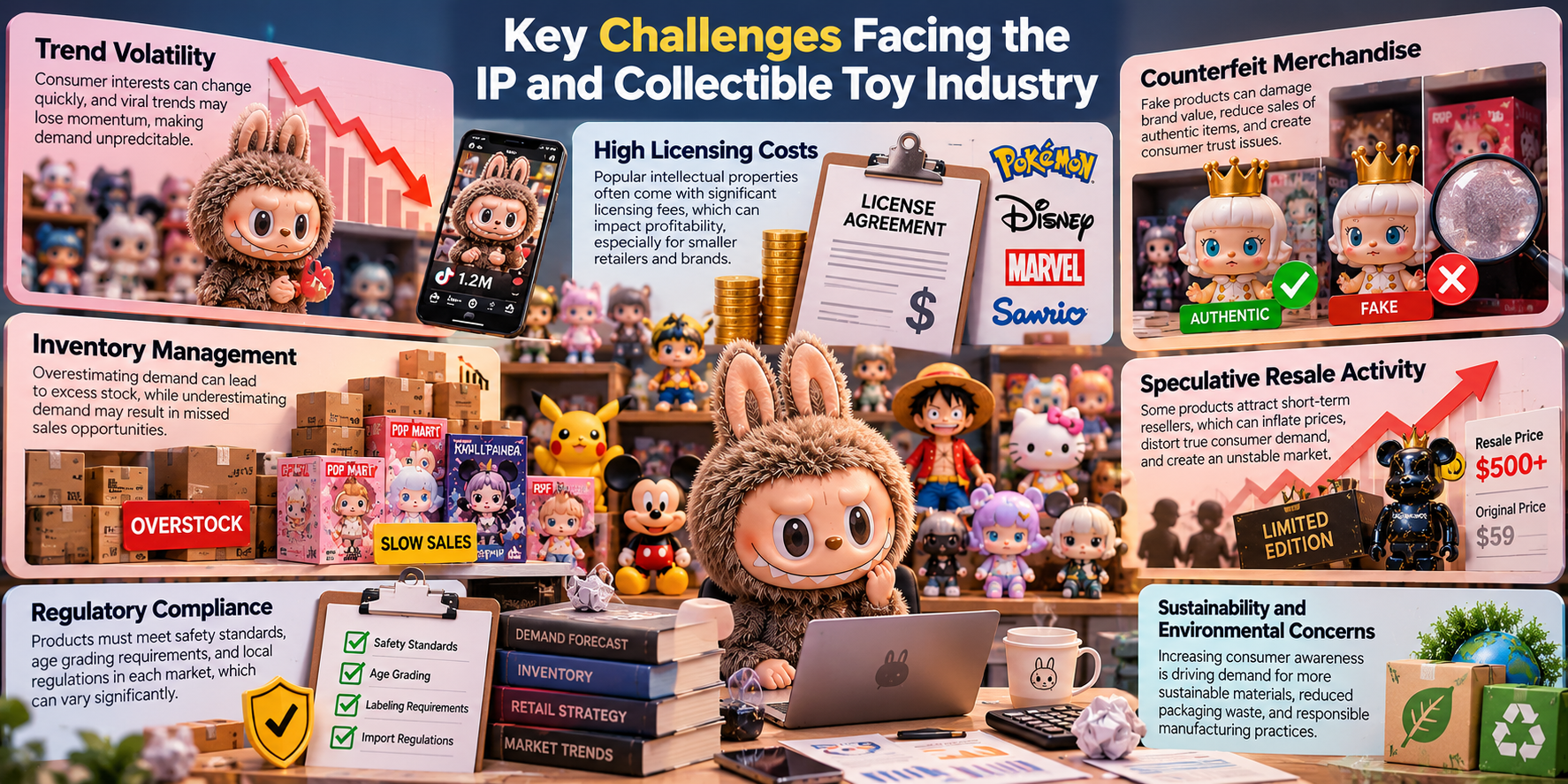
Despite its opportunities, the collectible toy market faces several operational and commercial challenges.
Trend volatility is a major consideration. Products that receive intense attention on social media may experience declining demand when consumer preferences change.
Inventory concentration creates additional risk when retailers commit too heavily to a single character or franchise.
Licensing expenses can affect profitability, particularly for smaller businesses that lack favorable commercial terms.
Counterfeit merchandise can damage consumer trust and reduce sales of legitimate products.
Speculative resale activity can also distort demand signals, making it difficult to distinguish committed collectors from short-term buyers seeking resale profits.
Finally, product safety and regulatory compliance remain essential. Businesses must consider age grading, small-parts hazards, material requirements, labeling, and relevant toy safety standards in each target market.
We recommend that retailers evaluate collectible products through a combination of customer demand, supplier reliability, gross margin, inventory turnover, and long-term brand potential.
The Future of IP Toys and Collectible Retail
The next phase of collectible toy development is likely to involve closer integration between entertainment, fashion, digital communities, and physical merchandise.
Several trends deserve particular attention.
Original Intellectual Property Development
Brands may increasingly invest in proprietary characters rather than relying exclusively on external licensing.
Original IP can provide greater control over character development, merchandising strategy, and commercial partnerships.
However, building a recognizable franchise requires sustained creative investment and effective distribution.
Fashion and Lifestyle Collaborations
Collectible toys are becoming more closely associated with personal style and everyday accessories.
Bag charms, wearable collectibles, decorative objects, and fashion collaborations allow consumers to incorporate favorite characters into daily life.
This creates opportunities for partnerships between toy companies, apparel brands, accessory designers, and lifestyle retailers.
Premium Collectibles and Artistic Craftsmanship
Dedicated collectors may continue to seek high-quality products featuring detailed sculpting, distinctive materials, and strong artistic identities.
Premium products can differentiate themselves through craftsmanship and authenticity rather than scarcity alone.
Sustainable Product Development
Environmental considerations are becoming increasingly relevant to manufacturers and retailers.
Potential improvements include reducing unnecessary packaging, using more responsibly sourced materials, increasing product durability, and improving supply chain transparency.
For collectible brands, sustainability must be balanced with packaging protection, product quality, and consumer expectations.
How We Evaluate Investment Opportunities in Collectible Toys
For businesses considering entry into the IP toy market, we recommend evaluating opportunities through measurable commercial indicators rather than social media popularity alone.
Important considerations include:
-
Intellectual property strength: Is the character recognizable, distinctive, and legally protected?
-
Consumer retention: Do customers return for subsequent collections?
-
Product economics: Are margins attractive after licensing, shipping, marketing, and retail expenses?
-
Inventory performance: How quickly do products sell at normal prices?
-
Distribution quality: Are suppliers reliable and authorized?
-
Geographic expansion: Can the brand appeal to consumers in multiple markets?
-
Community engagement: Does the brand maintain interest beyond individual product launches?
-
Long-term adaptability: Can the intellectual property support new products without losing its identity?
A strong collectible toy business combines creative differentiation with disciplined operations.
We view sustainable demand, brand trust, and repeat customer relationships as more reliable indicators of long-term potential than short-lived resale premiums.
Frequently Asked Questions About IP and Collectible Toys
What does IP mean in the toy industry?
IP stands for intellectual property. In the toy industry, it refers to characters, designs, brands, fictional universes, and other legally protectable creative assets used to develop merchandise.
Why are collectible toys popular among adults?
Adult consumers purchase collectible toys for nostalgia, artistic appreciation, emotional connection, display, gifting, and participation in enthusiast communities.
Many collectors also value craftsmanship and limited-edition designs.
Are blind box toys profitable for retailers?
Blind box toys can be profitable when retailers secure favorable wholesale pricing, manage inventory carefully, and maintain consistent customer demand.
Profitability depends on product costs, sales volume, licensing arrangements, operating expenses, and unsold stock.
What is the difference between designer toys and traditional toys?
Designer toys typically emphasize artistic identity, distinctive character design, and collectible appeal.
Traditional toys more commonly emphasize play functionality, although the categories can overlap.
Which companies are influential in collectible toys?
Companies associated with important segments of the collectible market include POP MART, Bandai Namco, Funko, Medicom Toy, and Sanrio.
Each operates with different licensing, product development, and distribution strategies.
What makes a collectible toy valuable?
Collectible value can depend on character popularity, authenticity, condition, edition size, craftsmanship, historical significance, and market demand.
Limited availability does not guarantee appreciation, and secondary-market prices can fluctuate significantly.
Will IP toys continue growing?
The long-term outlook is supported by adult collecting, entertainment licensing, original character development, and the integration of toys with fashion and lifestyle products.
Nevertheless, individual franchises and retail segments may experience periods of slower growth or declining demand.
Conclusion: IP and Collectible Toys Are Redefining Modern Retail
The growing influence of IP toys, designer collectibles, blind boxes, and licensed character merchandise reflects a broader transformation in consumer retail.
Toys are no longer defined exclusively by childhood play. They increasingly serve as expressions of personal identity, artistic appreciation, entertainment fandom, and cultural participation.
We believe the strongest opportunities will emerge where compelling intellectual property meets thoughtful product development, authentic distribution, effective retail execution, and engaged collector communities.
For retailers, the priority is not simply identifying the next viral character. It is building an assortment and customer experience capable of sustaining demand after the initial excitement fades.
For manufacturers and IP owners, long-term success depends on developing recognizable characters, protecting creative assets, maintaining product quality, and expanding responsibly across merchandise categories.
IP and collectible toys represent one of the most compelling areas of modern specialty retail, bringing together entertainment, creativity, commerce, and consumer culture.
Their continued evolution will help shape how brands build communities, how retailers attract shoppers, and how consumers connect with the products they choose to collect.
Here are some related articles you may find interesting: