Back To Blog
 Toy Trends 2027: The Biggest Toy Industry Trends, Innovations, and Must-Have Toys
The global toy industry is entering an exciting period of transformation.
As we approach 2027, changing consumer preferences, advances in artificial intelligence, sustainability concerns, and the growing importance of educational play are reshaping how toys are designed, manufactured, marketed, and purchased.
The toy trends of 2027 are expected to reflect a powerful combination of technology, creativity, nostalgia, and meaningful childhood development.
From AI-powered interactive toys and STEM learning kits to eco-friendly toys, collectibles, and screen-free play experiences, we anticipate a market increasingly focused on entertainment that also delivers educational, emotional, and developmental value.
For toy manufacturers, retailers, distributors, parents, and industry professionals, understanding these emerging trends is essential for identifying new opportunities and preparing for changing customer expectations.
In this comprehensive guide, we explore the top toy trends for 2027, the innovations likely to influence purchasing decisions, and the toy categories positioned for growth.
1. AI-Powered Smart Toys Will Transform Interactive Play
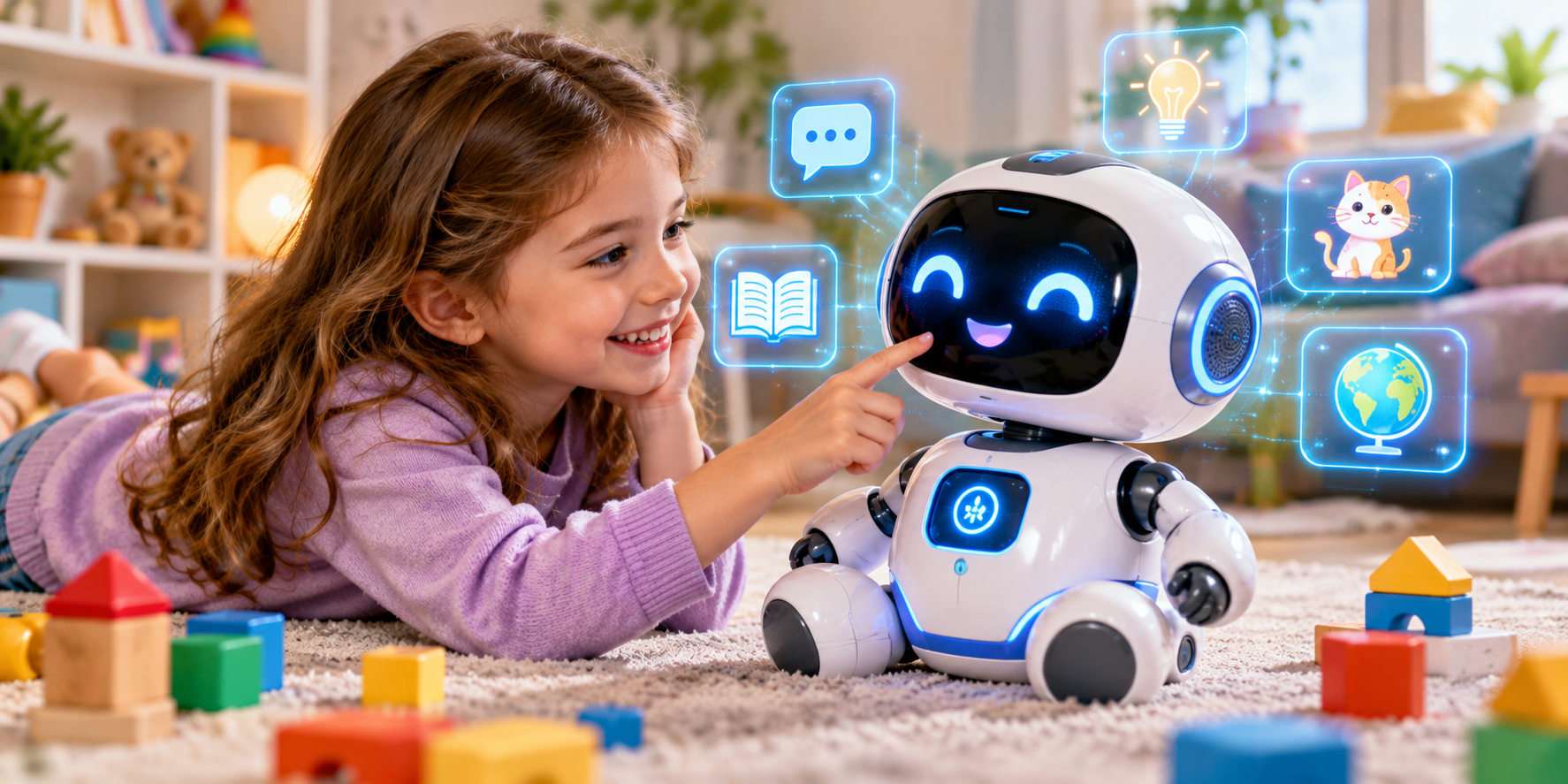
Artificial intelligence is emerging as one of the most influential technologies in the toy industry. In 2027, we expect AI-powered toys to become more sophisticated, offering increasingly personalized and responsive play experiences.
Unlike traditional electronic toys that follow predetermined commands, advanced AI-enabled toys may adapt their interactions based on a child's responses, preferences, and developmental stage.
Key AI Toy Innovations Expected in 2027
-
Conversational robot companions: Interactive robots capable of engaging children in age-appropriate conversations, storytelling, and educational activities.
-
Adaptive learning toys: Educational products that adjust difficulty levels according to a child's progress.
-
Interactive storytelling devices: Toys that allow children to influence storylines, characters, and outcomes.
-
Voice-controlled play systems: Hands-free toys that respond to spoken instructions.
-
Emotionally responsive characters: Toys designed to recognize selected conversational or behavioral cues and respond appropriately.
We anticipate growing interest in AI-powered toys that combine entertainment with language development, creative thinking, and problem-solving.
However, privacy and safety will remain critical considerations. Manufacturers developing connected toys will need to prioritize parental controls, secure data handling, transparent AI interactions, and age-appropriate content.
The strongest AI toy products will likely be those that use technology to enhance imaginative play rather than replace meaningful human interaction.
2. Sustainable and Eco-Friendly Toys Will Gain Greater Importance
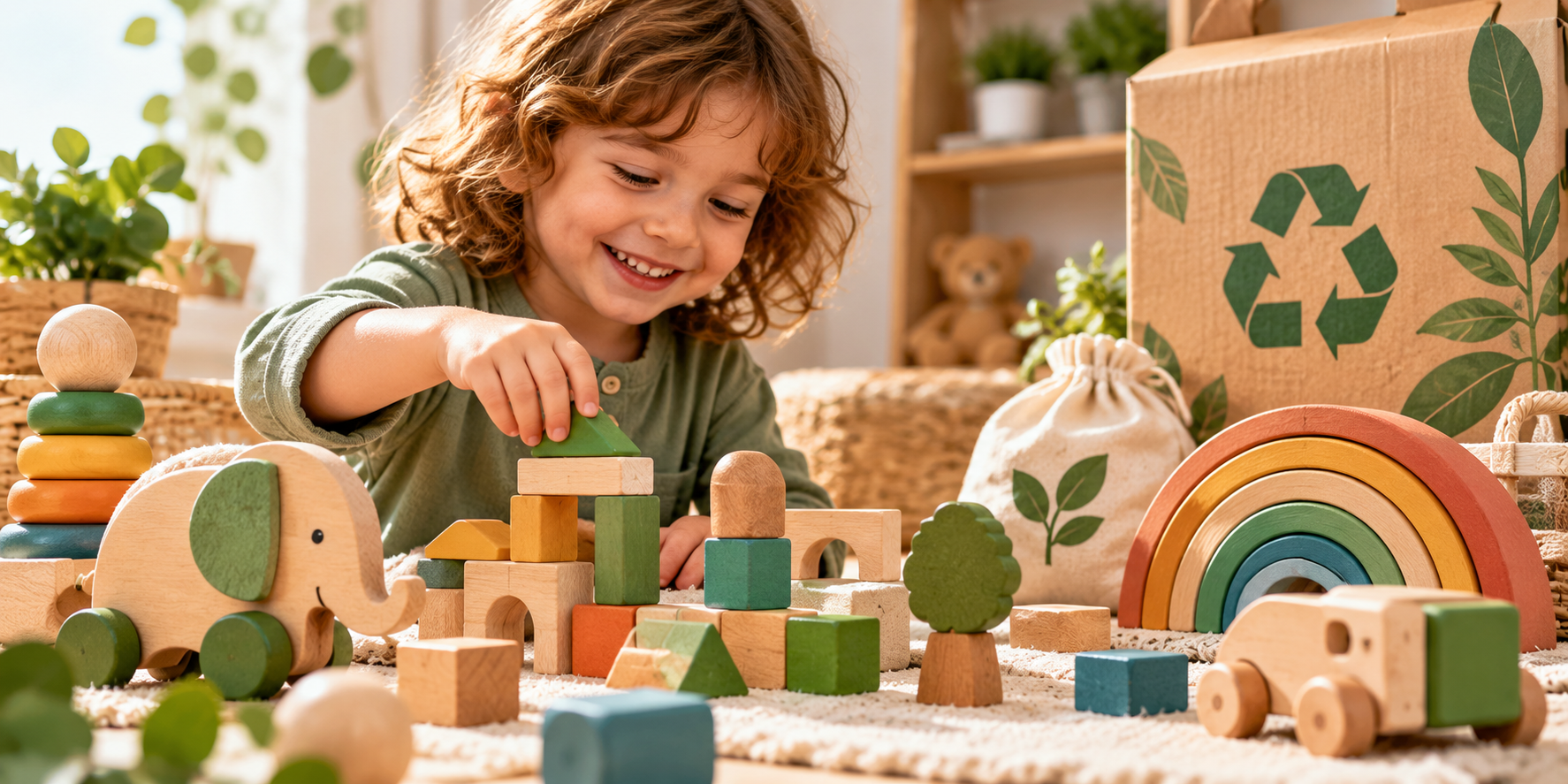
Sustainability is becoming an increasingly important factor in toy purchasing decisions. As environmental awareness grows, we expect eco-friendly toys in 2027 to attract greater attention from families, retailers, and manufacturers.
Consumers are showing interest in products that minimize unnecessary packaging, use responsibly sourced materials, and offer long-term durability.
Popular Sustainable Toy Materials
|
Material |
Potential benefits |
|---|---|
|
FSC-certified wood |
Supports responsible forest management |
|
Recycled plastic |
Reduces demand for virgin plastic |
|
Recycled cardboard |
Useful for puzzles, construction, and craft products |
|
Natural rubber |
Flexible material for selected toys |
|
Organic cotton |
Suitable for certain plush and fabric toys |
|
Bio-based plastics |
May reduce fossil-based material use, depending on composition |
We expect manufacturers to explore circular toy design, including replaceable components, repairable products, and recycling or take-back initiatives.
Another important development will be the shift toward minimalist packaging. Brands may increasingly reduce plastic windows, oversized boxes, and unnecessary protective materials.
Nevertheless, sustainability claims must be supported by evidence. Bio-based materials are not automatically biodegradable, and recycled content does not guarantee that a finished toy can be recycled through local collection systems.
For 2027, we believe durable toys with verified environmental credentials will have a stronger proposition than products relying solely on green-themed marketing.
3. STEM and STEAM Educational Toys Will Continue to Evolve
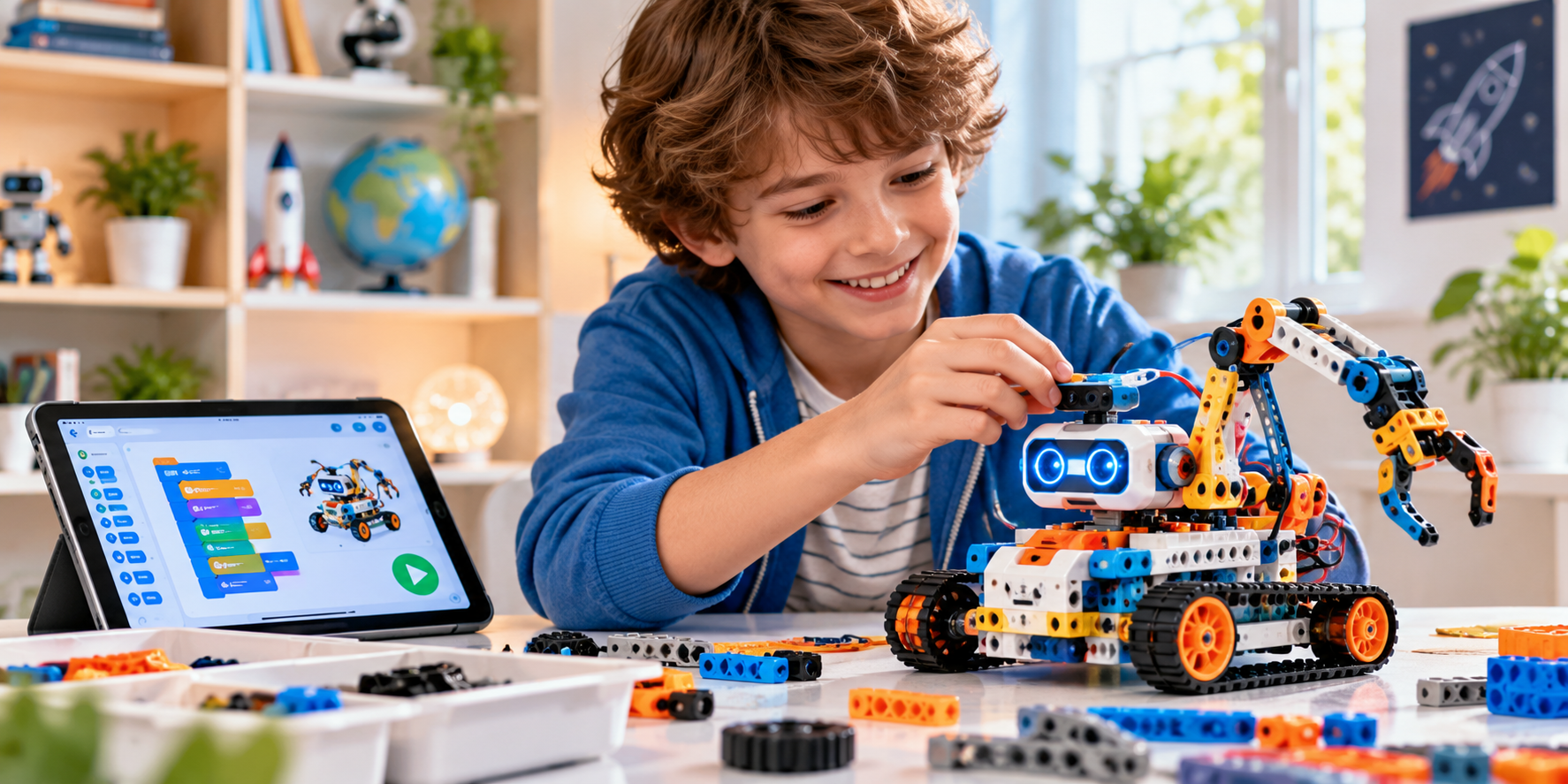
Educational toys are expected to remain an important growth category in 2027, particularly products that encourage science, technology, engineering, arts, and mathematics.
The increasing emphasis on digital literacy, computational thinking, and creative problem-solving is likely to support demand for STEM and STEAM toys.
STEM Toy Categories to Watch in 2027
Robotics and coding kits will help children explore programming concepts, logical reasoning, and engineering through hands-on experimentation.
Electronic circuit building sets will introduce foundational concepts of electricity, connectivity, and mechanical design.
Science experiment kits will encourage curiosity about chemistry, physics, biology, and the natural world.
Mathematical puzzle games will promote spatial awareness, numerical reasoning, and strategic thinking.
Creative engineering construction sets will combine artistic expression with practical design challenges.
We anticipate particularly strong interest in educational toys that make complex subjects accessible without requiring extensive adult instruction.
A major opportunity lies in combining physical play with optional digital guidance. For example, a construction kit may use an application to provide tutorials while allowing the child to complete most activities independently of a screen.
The most successful STEM toys will emphasize experimentation, discovery, and open-ended problem-solving rather than presenting education as a rigid classroom exercise.
4. Screen-Free and Sensory Toys Will Remain Popular
Despite advances in digital entertainment, we expect screen-free toys to retain an important position in the 2027 market.
Many parents value toys that encourage physical interaction, concentration, imagination, and independent play without requiring smartphones or tablets.
Screen-Free Toy Trends for 2027
Sensory toys, including tactile balls, textured play materials, and fidget products, are likely to remain visible across multiple age categories.
Open-ended construction toys will continue to offer children opportunities to build, experiment, and create without predetermined outcomes.
Creative art kits, modeling materials, and craft activities may appeal to families seeking engaging alternatives to passive screen consumption.
We also expect continued demand for Montessori-inspired toys, particularly wooden puzzles, sorting activities, stacking sets, and practical-life play materials.
However, educational benefits depend on a child's age, interests, and the quality of the play experience. A product labeled Montessori or sensory is not automatically developmentally superior.
For manufacturers and retailers, clear age guidance, safe materials, and meaningful play value will be essential differentiators.
5. Collectible Toys and Blind-Box Figures Will Shape Consumer Demand
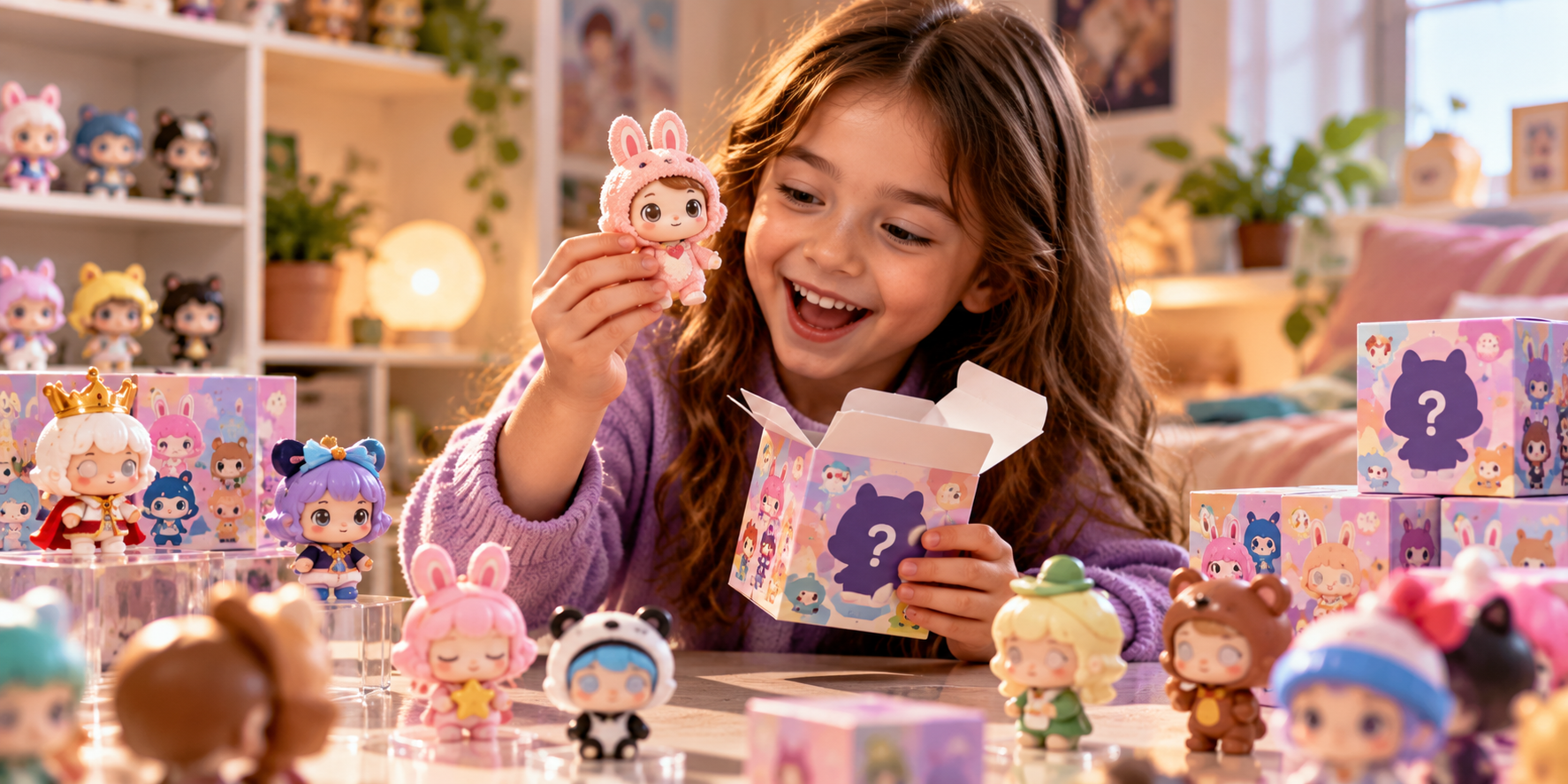
Collectible toys have developed into a significant cultural category, attracting children, teenagers, and adult collectors.
In 2027, we expect continued interest in blind-box collectibles, designer art toys, miniature figures, and limited-edition character merchandise.
The appeal of collectibles often comes from their combination of visual design, character identity, rarity, and community engagement.
Major Collectible Toy Trends
Blind-box figures: Mystery-packaged characters create surprise and encourage collection-building.
Designer vinyl toys: Distinctive artistic styles appeal to collectors interested in visual culture and decorative displays.
Miniature collectibles: Small-scale food replicas, household objects, animals, and fantasy characters offer opportunities for themed collections.
Limited-edition collaborations: Partnerships between toy brands, artists, entertainment franchises, and fashion labels may create exclusive product lines.
Character-based collectibles: Recognizable personalities from games, animation, comics, and digital entertainment will continue to influence merchandise development.
We expect brands such as POP MART to remain relevant examples of the collectible-toy business model, although individual characters and product lines may rise or decline in popularity.
For 2027, retailers should monitor not only which characters are trending but also how quickly demand changes.
Responsible product design is also important. Transparent pricing, clear rarity information, and age-appropriate marketing can help prevent collectible purchasing from becoming excessively driven by chance-based rewards.
6. Kidult Toys Will Expand the Adult Toy Market
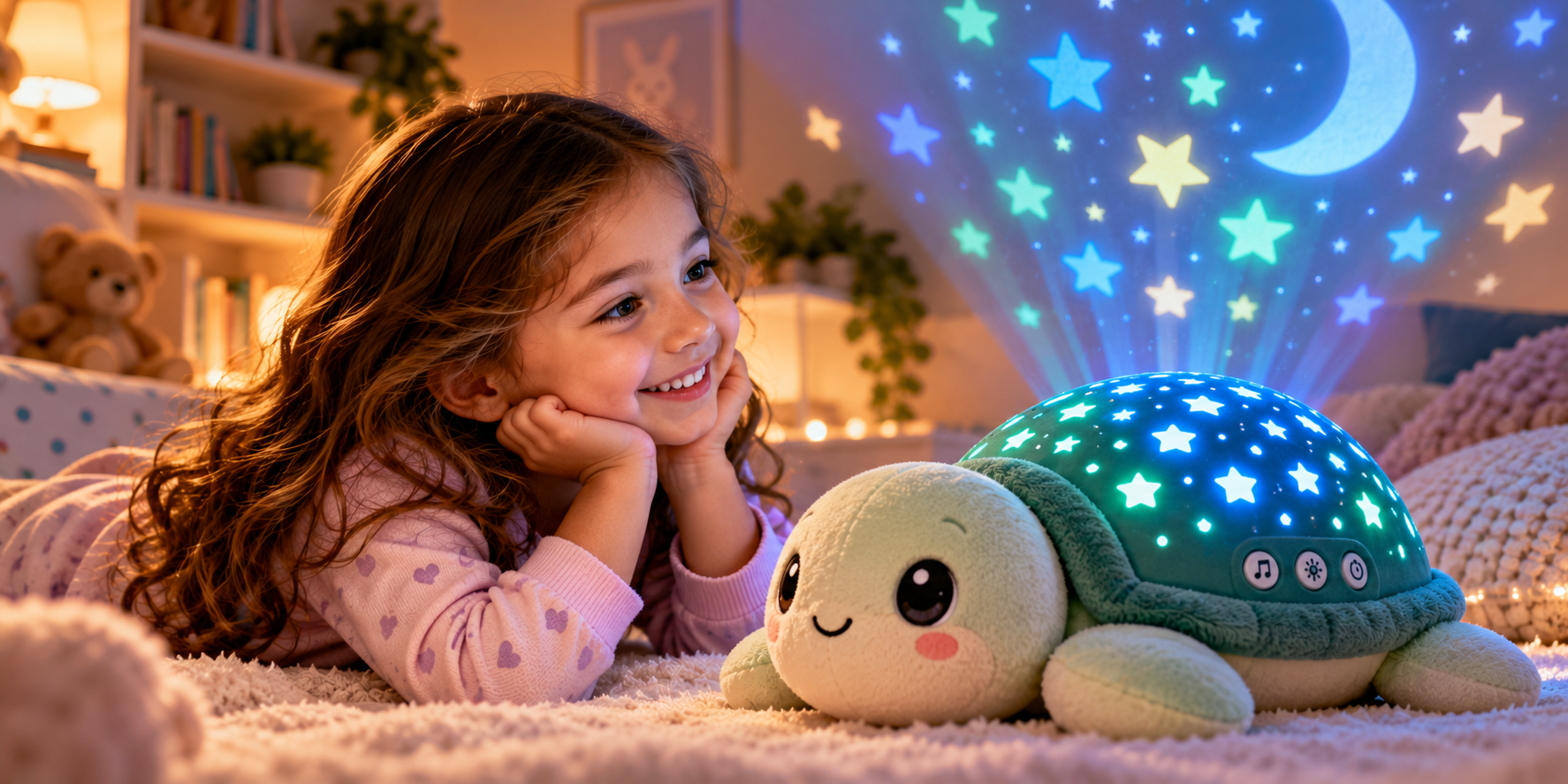
One of the most interesting developments in the global toy industry is the growing visibility of kidult consumers, meaning teenagers and adults who purchase toys for their own enjoyment.
This audience often values nostalgia, craftsmanship, display quality, and the satisfaction of collecting or building.
We expect kidult toys to remain an important commercial opportunity in 2027.
Popular Kidult Toy Categories
-
Advanced construction sets and architectural models
-
Premium action figures and licensed collectibles
-
Retro gaming merchandise and nostalgic toys
-
Detailed miniature models and dioramas
-
Trading cards and tabletop games
-
Designer plush toys and decorative characters
Established brands such as LEGO demonstrate how construction toys can appeal to adults through architecture, entertainment licenses, engineering challenges, and sophisticated display models.
For manufacturers, the kidult market offers opportunities to introduce premium materials, complex assembly experiences, and collectible packaging.
We anticipate a continued distinction between toys designed primarily for children's play and products positioned as adult hobbies, collectibles, and lifestyle accessories.
7. Augmented Reality Toys Will Connect Physical and Digital Play
Augmented reality, commonly known as AR, allows digital elements to appear over a real-world environment through compatible devices.
In 2027, AR technology may play a larger role in selected toy categories, particularly educational kits, construction systems, and interactive games.
For example, a physical dinosaur model could be paired with an application that displays animated anatomy or prehistoric environments.
A construction toy might allow children to visualize completed designs before assembly.
An educational globe could provide interactive geographic information when viewed through a tablet.
Potential Applications of AR Toys
|
Toy category |
AR application |
|---|---|
|
Educational globes |
Interactive geography lessons |
|
Dinosaur figures |
Animated prehistoric environments |
|
Construction sets |
Digital assembly instructions |
|
Puzzle games |
Additional interactive challenges |
|
Science kits |
Three-dimensional scientific demonstrations |
|
Role-play toys |
Virtual characters and imaginative scenarios |
We believe the greatest opportunity lies in hybrid play experiences that retain the tactile satisfaction of traditional toys while introducing digital features when they provide genuine value.
Manufacturers will also need to consider device compatibility, accessibility, screen-time preferences, and ongoing software support.
8. Creative DIY Toys and Craft Kits Will Encourage Personalization
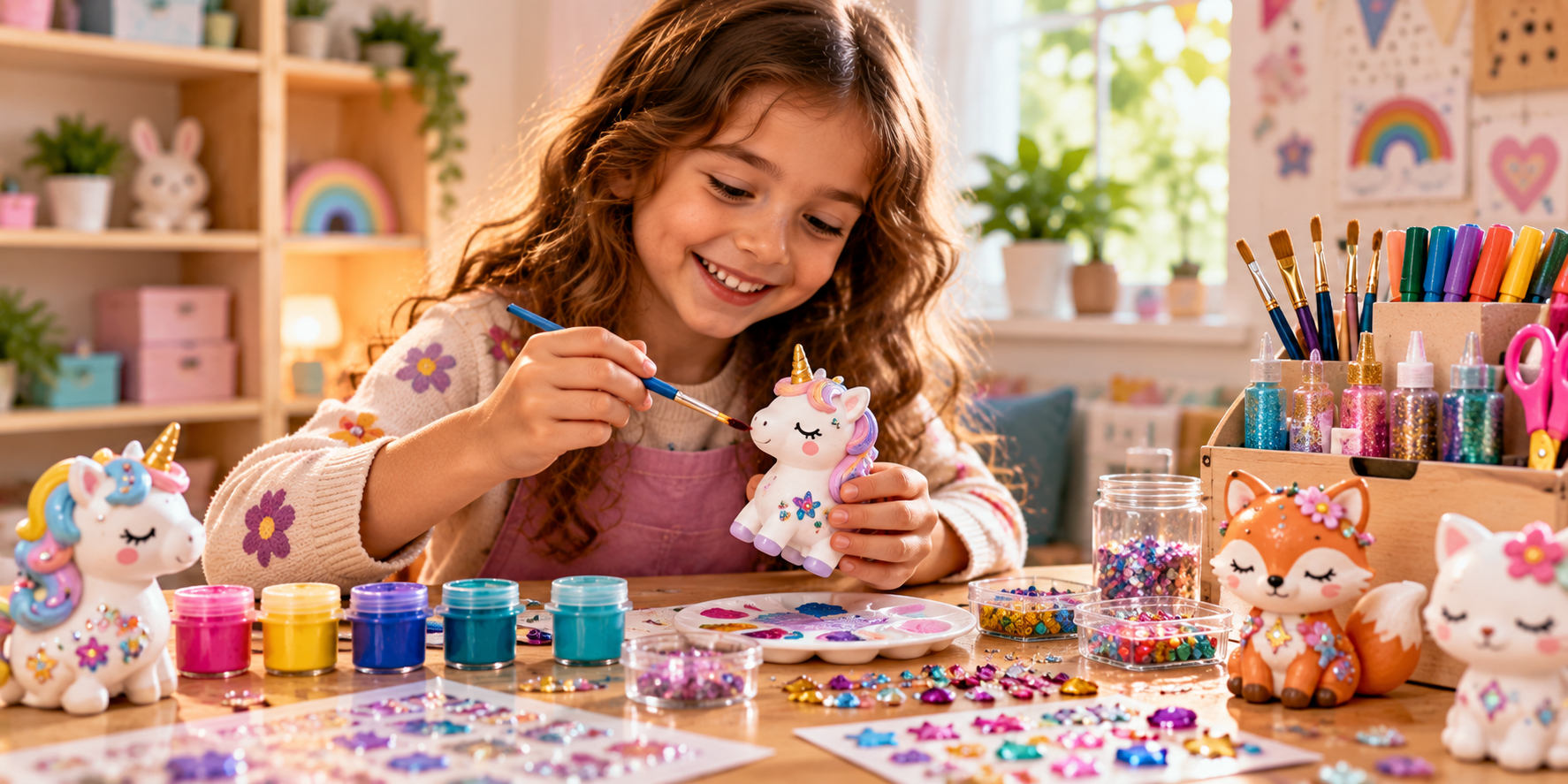
Creative toys that allow children to make, decorate, and personalize objects are likely to remain attractive in 2027.
Rather than purchasing only finished products, consumers may increasingly seek toys that deliver a creative experience.
Popular categories could include jewelry-making kits, customizable plush toys, painting sets, miniature craft projects, and model-building activities.
We expect particular interest in products that allow children to express their individuality.
DIY Toy Innovations to Watch
Customizable characters: Children can combine clothing, accessories, facial expressions, and decorative elements to create unique figures.
Miniature craft kits: Small-scale room designs, food models, and decorative objects provide detailed creative challenges.
Wearable craft products: Bracelet-making, fabric decoration, and accessory design connect creative play with personal style.
Reusable art systems: Drawing surfaces, magnetic design boards, and modular craft materials allow repeated experimentation.
Nature-inspired craft kits: Products using leaves, flowers, stones, and other responsibly sourced materials may connect artistic activities with outdoor exploration.
The commercial appeal of DIY toys extends beyond the finished object. Families are also purchasing the experience of making something together.
9. Outdoor and Active Play Toys Will Support Movement and Exploration
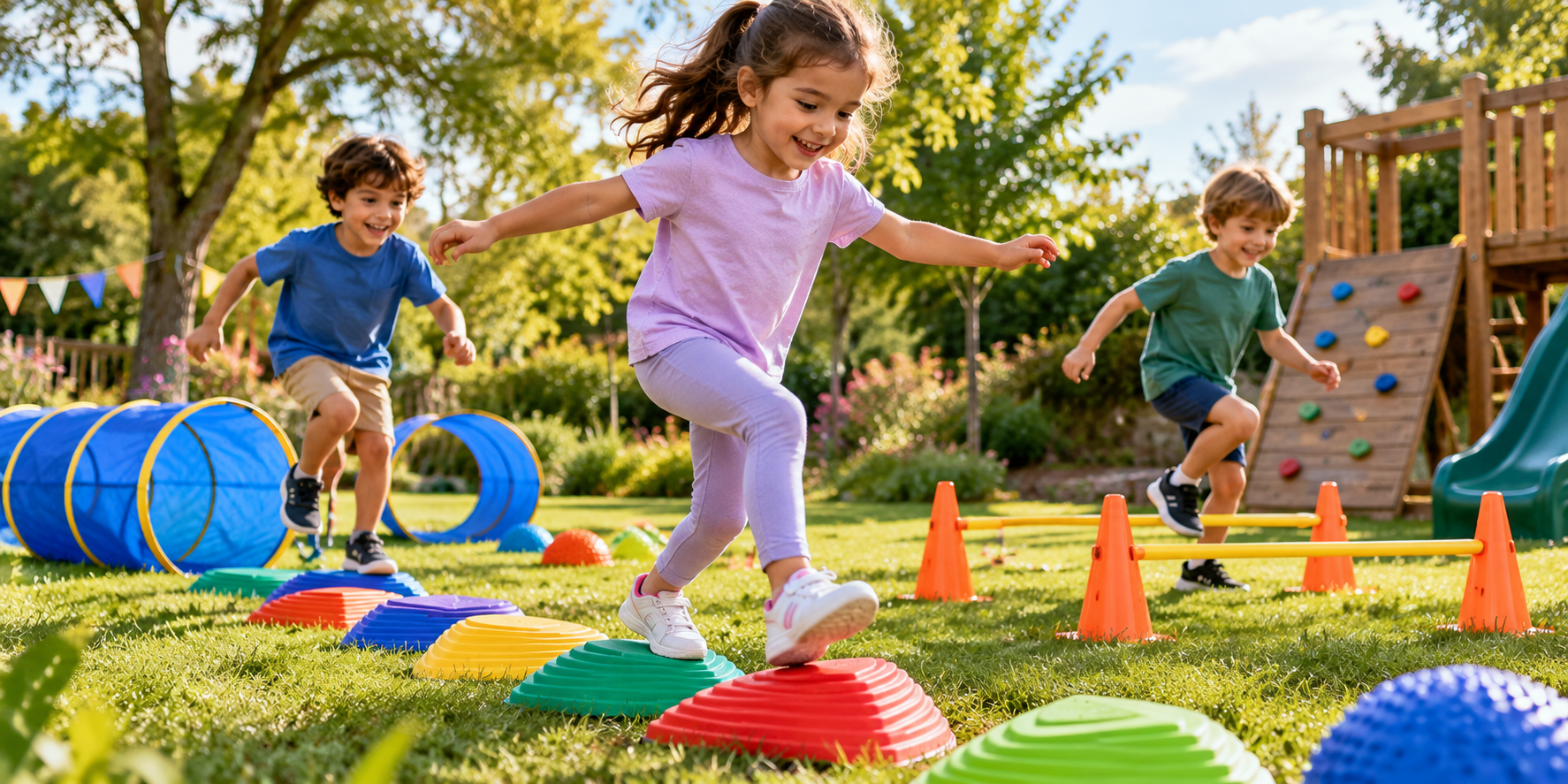
Physical play remains essential to childhood development, and we expect outdoor toys to retain strong appeal in 2027.
Products that encourage movement, coordination, balance, and exploration offer alternatives to sedentary entertainment.
Outdoor Toy Trends for 2027
We anticipate interest in portable obstacle courses, balance equipment, beginner sports sets, and active group games.
Nature exploration kits may also become increasingly relevant as families look for opportunities to connect outdoor activities with science and environmental education.
Water-play products, gardening kits, and outdoor construction toys can support collaborative activities across different age groups.
Another promising direction is modular outdoor play equipment, which allows families to adjust difficulty and configurations as children grow.
Safety will remain essential, particularly for wheeled toys, climbing products, and equipment intended for energetic physical activity.
Age recommendations, protective equipment, installation instructions, and appropriate adult supervision should be central to product design and marketing.
10. Nostalgic and Retro Toys Will Continue to Influence New Product Launches
Nostalgia has become an important force in consumer products, including toys.
We expect brands to revisit familiar characters, classic games, and recognizable toy formats in 2027.
Retro-inspired products can appeal simultaneously to parents who remember the original toys and children encountering the designs for the first time.
Examples may include renewed interest in classic board games, traditional dolls, retro handheld-style games, and updated versions of familiar action figures.
However, nostalgia alone is unlikely to guarantee commercial success.
We expect successful retro toy launches to combine recognizable design with modern improvements in durability, accessibility, safety, or play features.
Manufacturers may also benefit from carefully selected licensing partnerships and anniversary collections.
11. Plush Toys Will Become More Expressive and Collectible
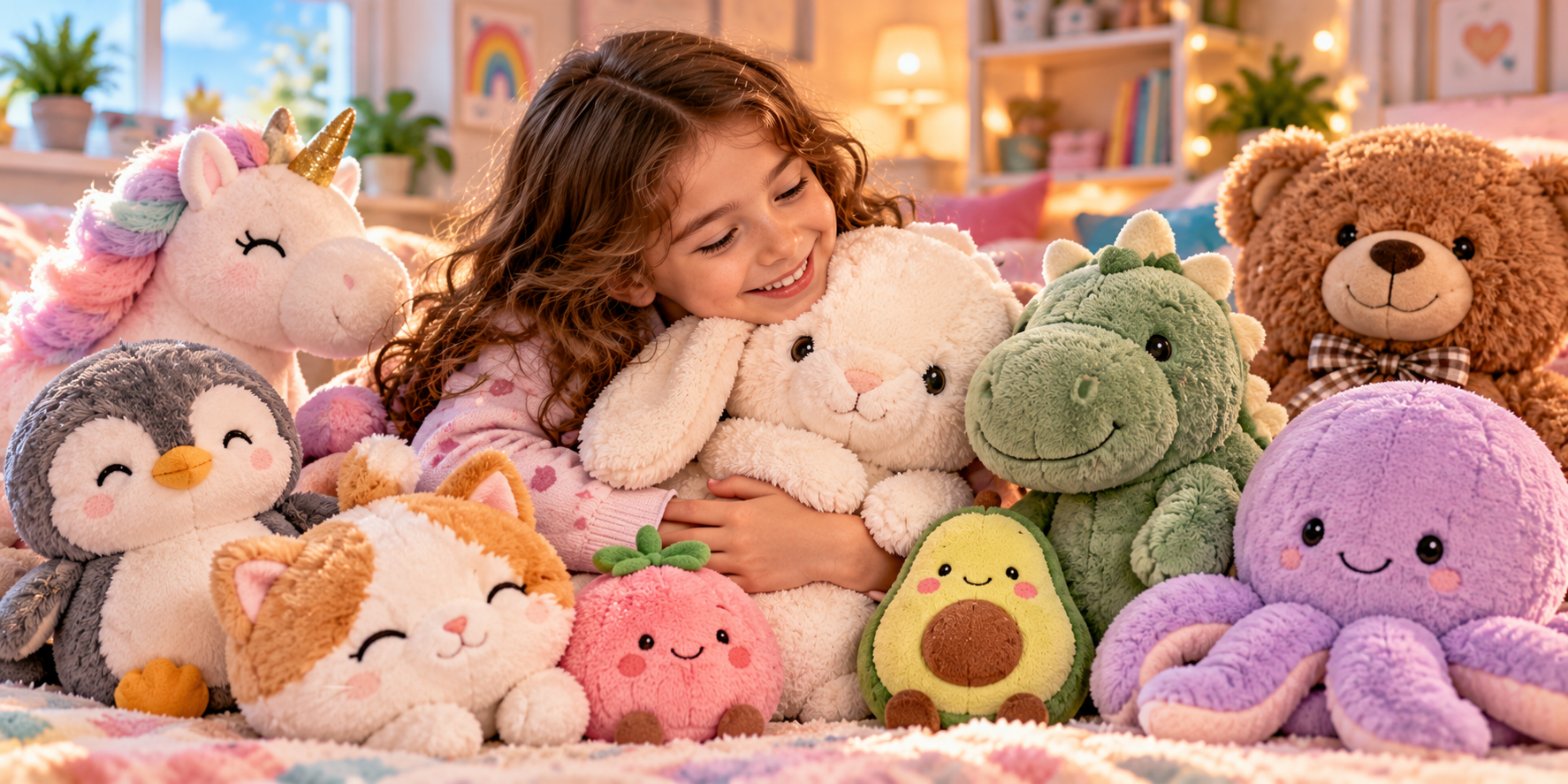
Plush toys remain one of the most versatile categories in the toy industry.
For 2027, we anticipate growing interest in character-driven plush toys, collectible plush series, and products featuring distinctive textures and expressive designs.
Plush products appeal across age groups because they can function as playthings, comfort objects, gifts, and decorative accessories.
Emerging Plush Toy Directions
Character collections: Families and collectors may seek coordinated plush ranges featuring related personalities.
Food-inspired plush: Soft representations of desserts, fruit, beverages, and everyday objects offer playful visual appeal.
Mini plush accessories: Smaller plush products designed as bag charms and decorative accessories may continue to attract fashion-conscious consumers.
Interactive plush: Selected products may incorporate sound, movement, or responsive features.
Sustainable plush: Manufacturers may increase their use of recycled polyester filling and other responsibly sourced textiles.
Brands such as Jellycat illustrate the potential for plush products to reach audiences beyond traditional children's toy buyers.
We expect originality, tactile quality, and recognizable character design to be important competitive advantages.
12. Social Media and Entertainment Franchises Will Influence Toy Trends
Digital culture increasingly shapes how consumers discover new products.
In 2027, platforms such as TikTok, YouTube, and Instagram are likely to continue influencing toy visibility, particularly among collectors, teenagers, and gift buyers.
Short-form video content can demonstrate interactive features, showcase collectible reveals, and introduce emerging characters to broad audiences.
Entertainment franchises will also remain important.
Toys connected to films, television, video games, animation, and digital creators may benefit from established fan communities.
However, viral popularity can change rapidly.
We recommend that toy retailers distinguish between short-term viral products and categories supported by sustained consumer demand.
Products with repeatable play value, recognizable characters, and reliable availability may offer stronger long-term opportunities than items dependent on a single viral moment.
13. Inclusive and Accessible Toys Will Receive Greater Attention
Inclusive toy design is another area we expect to influence product development in 2027.
Families increasingly benefit from products that represent different abilities, appearances, family structures, and everyday experiences.
Inclusive design can also involve making toys easier to use for children with different physical, sensory, or communication needs.
Potential innovations include dolls with diverse physical characteristics, accessible game controls, adjustable sound settings, and toys that support different interaction styles.
We believe the strongest inclusive products will integrate accessibility into their core design rather than treating it as an optional feature.
Manufacturers should collaborate with families, educators, accessibility specialists, and people with relevant lived experience when developing these products.
14. Toy Packaging and Retail Experiences Will Become More Interactive
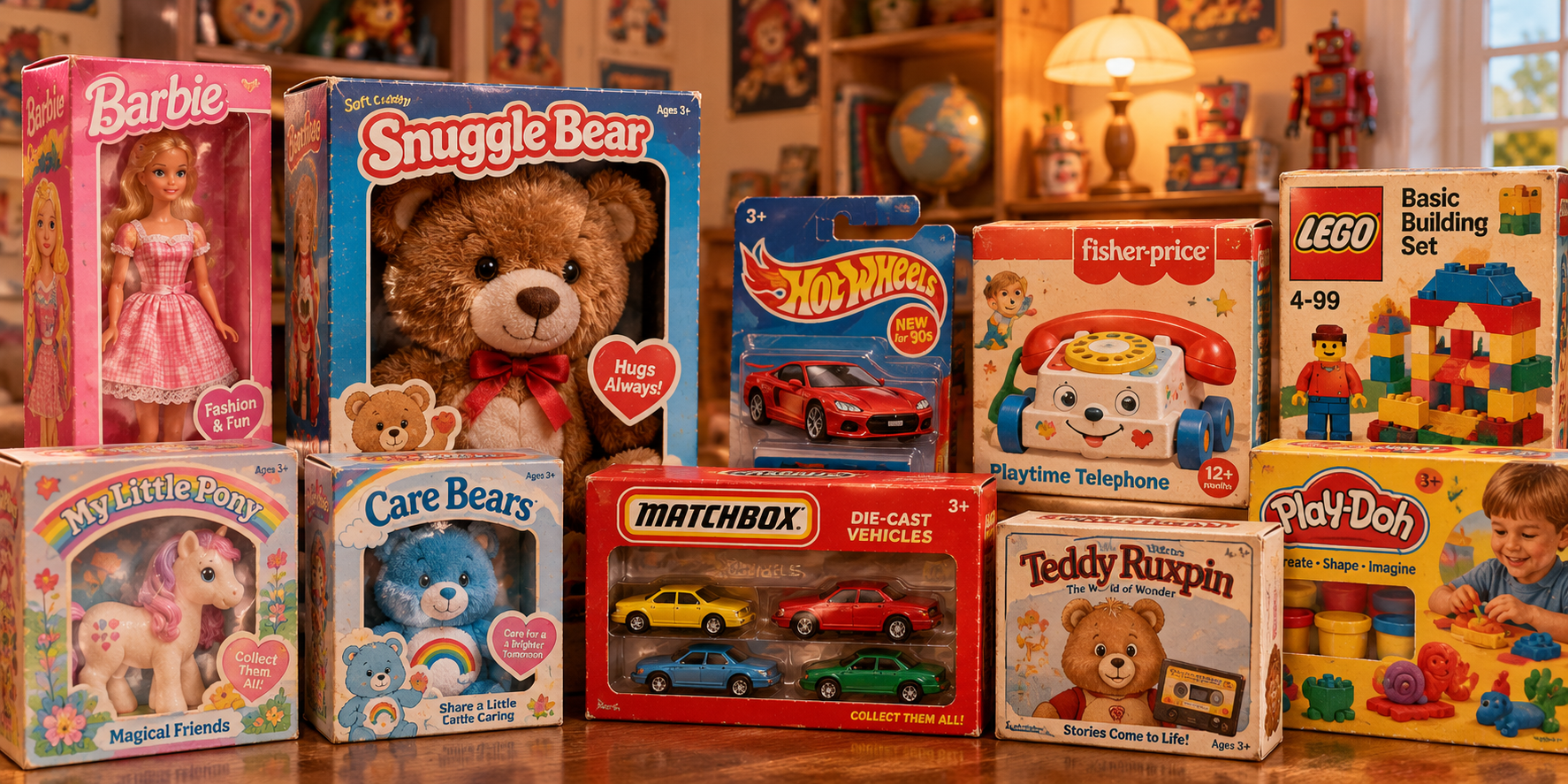
Toy innovation will extend beyond the product itself.
Packaging, merchandising, and retail experiences are likely to evolve as brands compete for consumer attention.
In 2027, we expect increased experimentation with interactive displays, product demonstration videos, QR-linked instructions, and digital product information.
For physical stores, demonstration zones may help customers understand how unfamiliar toys work.
For online retailers, high-quality product videos, detailed specifications, and realistic images will remain important purchasing tools.
We also anticipate greater attention to packaging that communicates age suitability, educational features, sustainability credentials, and product compatibility.
Clear and trustworthy information can reduce confusion and help customers make more informed purchasing decisions.
Toy Trends 2027 by Age Group
Toy preferences vary significantly across developmental stages. We expect manufacturers and retailers to refine their product offerings to better match age-specific interests and abilities.
|
Age group |
Toy categories to watch in 2027 |
Primary play opportunities |
|---|---|---|
|
0–2 years |
Sensory toys, soft blocks, stacking toys |
Sensory exploration and motor development |
|
3–5 years |
Pretend-play sets, simple puzzles, creative kits |
Imagination and early problem-solving |
|
6–8 years |
STEM kits, construction toys, board games |
Collaboration and experimentation |
|
9–12 years |
Robotics, advanced crafts, collectibles |
Creative independence and technical skills |
|
13–17 years |
Model kits, strategy games, collectibles |
Personal interests and complex challenges |
|
Adults |
Premium construction sets, designer toys, retro collectibles |
Hobbies, nostalgia, and display |
These categories represent broad market directions rather than strict developmental rules. Individual interests, product complexity, safety requirements, and manufacturer age recommendations should guide purchasing decisions.
Toy Industry Outlook 2027: Key Opportunities for Manufacturers and Retailers
The toy market in 2027 will likely reward companies that understand the relationship between changing lifestyles, technological innovation, and consumer expectations.
We identify five strategic opportunities for businesses preparing their product ranges.
First, technology-enabled play may create opportunities for products that provide meaningful interactive features while maintaining strong privacy and safety protections.
Second, sustainable product development may help brands differentiate themselves through durability, responsible sourcing, and credible environmental claims.
Third, collectibles and adult-focused toys may support product diversification, premium pricing, and new customer segments.
Fourth, educational and creative play will remain valuable because these categories address enduring family interests in learning, imagination, and skill development.
Finally, omnichannel retail experiences will become increasingly important as consumers move between social media discovery, online research, and physical shopping.
Toy Trends 2027: Commercial Opportunity Comparison
The following table summarizes our qualitative outlook. These assessments are forward-looking judgments, not measured market-growth forecasts.
|
Toy trend |
Expected consumer appeal |
Main commercial consideration |
|---|---|---|
|
AI-powered toys |
High potential |
Privacy, safety, and cost |
|
Eco-friendly toys |
Broadening interest |
Verified sustainability claims |
|
STEM and STEAM toys |
Strong established appeal |
Educational value and usability |
|
Collectible figures |
High but trend-sensitive |
Character popularity and inventory risk |
|
Kidult toys |
Strong niche-to-mainstream opportunity |
Premium design and licensing |
|
Screen-free toys |
Enduring family appeal |
Differentiation and quality |
|
AR toys |
Emerging opportunity |
Device dependence and software support |
|
DIY craft kits |
Broad creative appeal |
Reusability and material quality |
|
Outdoor toys |
Seasonal and lifestyle-driven |
Safety and distribution |
|
Plush collectibles |
Broad cross-age appeal |
Character originality and competition |
How to Prepare for the Toy Trends of 2027
Businesses planning for 2027 should focus on a balanced assortment rather than relying entirely on emerging technology or viral products.
We recommend evaluating potential product launches according to several commercial factors: customer age group, repeat-play value, safety compliance, manufacturing cost, environmental impact, differentiation, and expected product lifespan.
For retailers, a diversified assortment may include established evergreen categories alongside carefully selected experimental products.
For manufacturers, early product testing and customer feedback can help identify concepts that offer meaningful play experiences.
For distributors, monitoring entertainment releases, licensing activity, and regional demand can support more informed purchasing decisions.
We also expect product transparency to become increasingly valuable. Customers should be able to understand what a toy does, what materials it contains, how it is powered, and whether it requires an internet connection or additional purchases.
Frequently Asked Questions About Toy Trends 2027
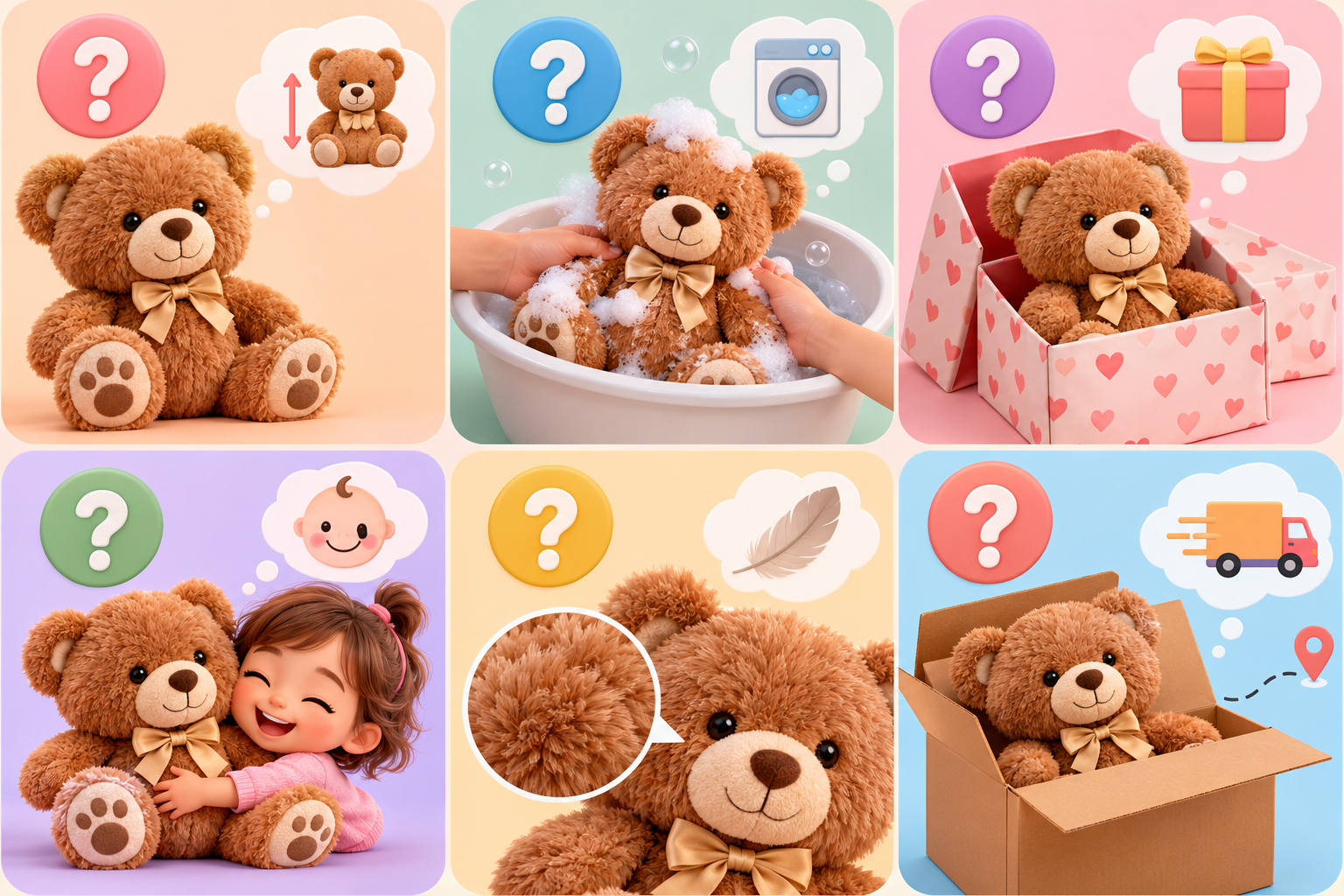
What will be the biggest toy trends in 2027?
We expect major toy trends in 2027 to include AI-powered interactive toys, sustainable toys, STEM educational kits, collectible figures, kidult products, sensory toys, creative DIY kits, and hybrid physical-digital play experiences. These are projections based on emerging industry directions rather than confirmed 2027 sales rankings.
Will AI toys become popular in 2027?
AI-powered toys have significant growth potential because they can offer responsive conversations, personalized educational activities, and interactive storytelling. Their adoption will depend on affordability, reliability, child safety, privacy protections, and whether they provide meaningful advantages over conventional toys.
What toys are likely to be popular with children in 2027?
We anticipate continued interest in construction sets, interactive characters, creative craft kits, educational robotics, collectible figures, plush toys, and outdoor activity products. Popularity will vary by age, region, entertainment trends, and individual preferences.
What are the best educational toy trends for 2027?
Promising educational categories include coding robots, engineering construction kits, hands-on science experiments, mathematical puzzles, creative design sets, and interactive storytelling products. Toys that encourage active participation and age-appropriate challenges may offer particularly strong learning opportunities.
Are sustainable toys an important trend for 2027?
We expect sustainability to remain an important consideration for some consumers and retailers. Responsibly sourced materials, durable construction, repairability, reduced packaging, and credible environmental certifications are likely to be meaningful differentiators.
What are kidult toys?
Kidult toys are products purchased by teenagers and adults for collecting, building, displaying, nostalgia, or recreation. Common examples include premium construction sets, action figures, designer collectibles, model kits, and retro toys.
Will traditional toys still be popular in 2027?
Yes. We expect traditional toys such as dolls, puzzles, board games, building blocks, plush animals, and outdoor play equipment to remain relevant. Technological innovation is likely to expand the range of available play experiences rather than eliminate established categories.
Which toy categories offer opportunities for retailers in 2027?
We see potential in educational toys, collectible characters, premium adult construction sets, creative activity kits, sustainable toys, and selected interactive technology products. Retailers should assess local demand, pricing, product safety, and inventory turnover before committing to individual categories.
Conclusion: The Future of Toys in 2027
The toy trends of 2027 point toward an industry where innovation, creativity, and meaningful play increasingly intersect.
Artificial intelligence and augmented reality may introduce new interactive experiences, while sustainable materials and responsible manufacturing could influence how products are developed.
At the same time, traditional play categories will continue to provide opportunities for imagination, learning, social connection, and physical activity.
We expect collectible toys, kidult products, educational STEM kits, creative DIY activities, and expressive plush characters to remain especially interesting categories to watch.
For manufacturers, distributors, and retailers, success in 2027 will depend on identifying products that combine consumer appeal with genuine quality, safety, and lasting value.
Ultimately, the most promising toys of 2027 will not simply feature the newest technology or follow the latest viral trend. They will deliver engaging experiences that children, families, and collectors want to enjoy repeatedly.
The future of the toy industry belongs to products that make play more imaginative, accessible, engaging, and meaningful.
Here are some related articles you may find interesting: