Back To Blog
Fashion bag charms give retailers a way to explore personalization, gifting, and add-on sales without building an entirely new accessories department.
Looking toward 2027, the strongest buying approach is to test distinctive styles, prioritize usable attachments, and keep wholesale commitments flexible. The directions below are planning hypotheses informed by existing fashion coverage—not confirmed predictions of what will sell in 2027.
What should retailers expect from bag charm trends in 2027?
Retailers should prepare for several expressions of personalization rather than one universal bestseller: playful collectibles, tactile accents, meaningful motifs, and adaptable accessories. Coverage already shows different directions coexisting.
Vogue highlighted personalized, maximalist bag styling in 2025, while Who What Wear’s 2026 reporting described a move toward texture and pieces that can be worn beyond the handbag. Treat that contrast as a reason to diversify a small test assortment, not chase a single look.
For buying purposes, separate an observed trend from a proposed product. A runway appearance establishes that a styling idea exists; it does not establish demand among your customers. Your own sales, customer questions, and sample feedback should determine whether an idea deserves a larger order.
That distinction matters when researching 2027 accessory trends. Instead of asking suppliers for their “most viral” charm, ask which designs fit your store’s bags, price architecture, and customer preferences. A recognizable retail point of view is a more useful filter than a crowded mood board.
Four style directions worth testing
Personal symbols and collected stories
Initials, travel references, hobby motifs, and small keepsake-style objects offer starting points for a personalized assortment. Vogue India’s July 2026 coverage emphasized nostalgic accessories and unexpected combinations, including scarves, miniature pouches, and jewelry used to personalize bags. The useful buying inference is to organize around personal expression rather than one specific character or motif.
Consider a compact “choose your story” display with a few complementary options. Avoid promising extensive customization unless your supplier can reliably deliver the required variants.
Tactile accents with a restrained finish
Soft textures deserve a place on the sample list, particularly when their shape and finish suit your existing collection. Who What Wear identified texture as a direction in its 2026 bag charm coverage, contrasting it with the earlier emphasis on cute collectible characters. That supports testing tactile products, but not assuming every fluffy accessory will perform equally well.
Compare samples against both structured handbags and casual totes. Check whether the texture sheds, snags, or obscures the bag’s silhouette before choosing colors.
Adaptable attachments and miniature pouches
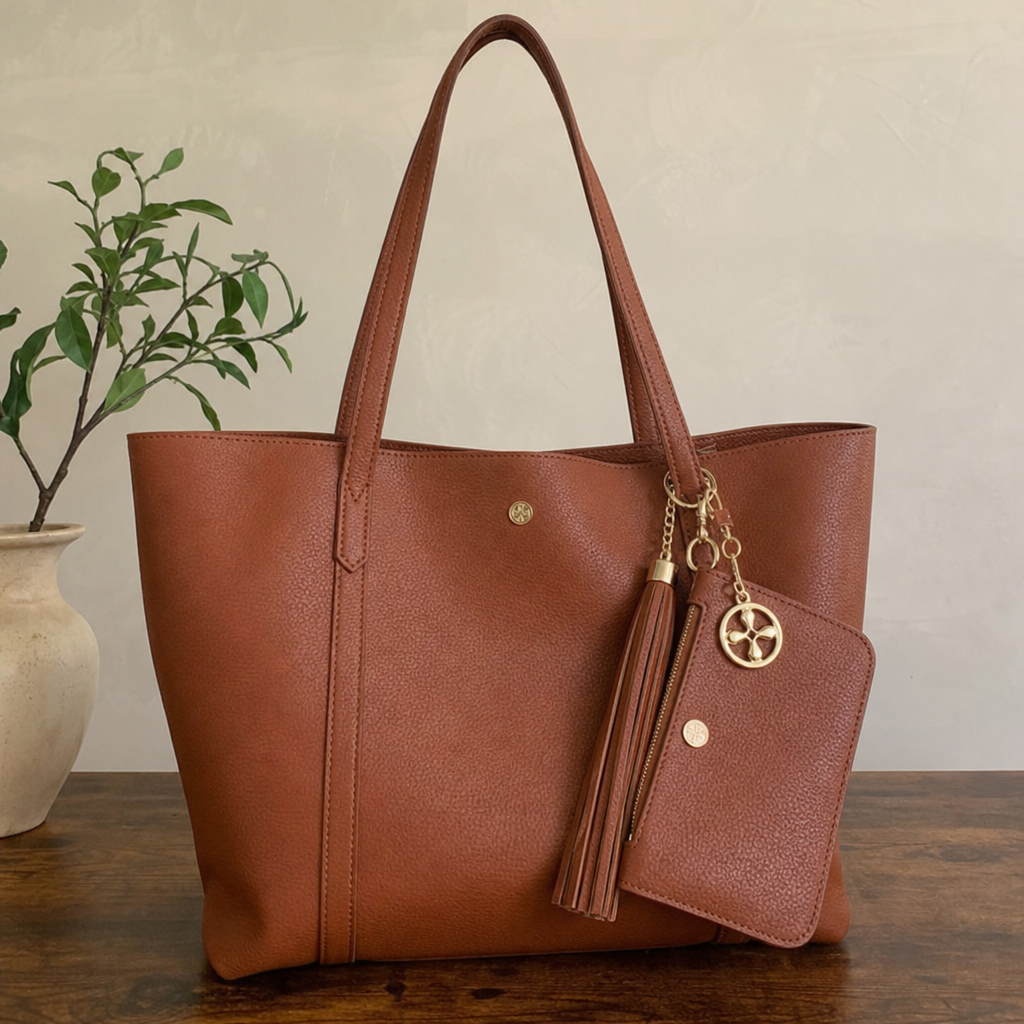
Explore accessories with a clearly demonstrable second use: a detachable key ring, a small zippered pouch, or an attachment that transfers between compatible bags. Vogue’s coverage of the spring 2027 menswear shows documented decorative charms moving onto belts and belt loops, providing an early signal of styling beyond handbags. Broader use is a direction to investigate, not a guarantee of demand.
For miniature pouches, show exactly what fits inside. Never imply that a decorative piece functions as secure storage without checking its closure and construction.
Coordinated combinations rather than random clusters
Consider offering stylish bag charms that work individually and in edited combinations. LOEWE’s personalization selection brings together charms, straps, and decorative dice, illustrating a broader approach to customizing a bag. For an independent retailer, the relevant lesson is coordination—not copying a luxury brand’s designs or assortment.
Test pairings through shared color, material, or hardware finish. Give customers an easy starting point while leaving room for their own choices.
Turn style ideas into a focused wholesale assortment
Build your opening order around customer uses rather than supplier categories. A commuter shopping for a subtle accent needs a different selection from someone looking for a playful gift. Define those shopping missions first, then assign products to them.
A useful assortment planning framework is:
Everyday accents: Simple shapes and compatible finishes that you can demonstrate on bags already stocked in your store.
Personality pieces: Distinctive motifs selected around your audience’s interests, rather than unrelated novelty designs.
Gift-ready choices: Products with clear presentation, understandable sizing, and packaging suitable for the intended recipient.
Experimental styles: A limited test of unfamiliar textures, oversized shapes, or unusual combinations, with a review date before reordering.
Avoid setting arbitrary buying percentages before you have evidence. Start with commitments your business can support, and ask whether suppliers permit mixed designs or colors within an order. Keep enough purchasing flexibility to replenish a proven style rather than filling the entire budget upfront.
How can retailers evaluate wholesale bag charm suppliers?
Evaluate suppliers through physical samples, written specifications, transparent order terms, and realistic replenishment commitments. An attractive catalog is only the beginning; you need to establish what will arrive, how consistently it can be reproduced, and what happens when products fall short. Compare suppliers using the same questions so that a low unit price does not overshadow unresolved quality concerns.
Use this checklist before approving an order:
Confirm the specification. Record dimensions, weight, materials, attachment type, finish, packaging, and agreed tolerances. Match these details to an approved sample.
Test attachment compatibility. Try the clasp on representative handles and rings. Check opening clearance, ease of use, and contact with the bag’s surface.
Inspect construction. Examine seams, edges, jump rings, bead connections, closures, and exposed hardware. Ask how the supplier checks recurring production faults.
Clarify purchasing terms. Request minimum order quantities by design and color, sample charges, payment terms, production timing, and shipping responsibilities.
Document problem resolution. Agree on the process for shortages, damaged goods, specification differences, and replacement requests before placing the order.
Treat these checks as commercial screening, not a substitute for any applicable product testing or compliance review. If a design resembles a toy, uses licensed imagery, or targets children, obtain qualified advice before committing. Do not rely on a supplier’s informal reassurance alone.
Price the opportunity using your actual costs
Evaluate each Bag Charm as a complete retail proposition, not simply a wholesale purchase price. Build an internal costing sheet that captures the supplier charge, inbound shipping, packaging, and other applicable expenses. Then test whether the intended selling price leaves enough room for your operating costs and planned promotional activity.
Compare products with similar customer roles rather than assuming every charm belongs in one price band. A basic decorative accent and a carefully constructed miniature pouch may need different positioning. Explain that distinction through verifiable materials, construction, and function—not unsupported claims of premium quality.
Before ordering, model several outcomes: full-price sales, slower sell-through requiring promotion, and a successful test needing replenishment. Decide what evidence would trigger each action. This turns wholesale opportunities into manageable decisions instead of a bet on enthusiasm alone.
Make styling and product information do the selling
Present trendy bag accessories on the bags customers can actually buy from you. Use one restrained combination and one more expressive example so shoppers can compare the effect. Keep a sample accessible where appropriate, allowing customers to understand scale and attachment before purchasing.
For online listings, photograph the charm alone, attached to a bag, and beside a clear size reference. Include dimensions, materials, closure details, and the scope of the purchase. If the bag is not included, say so plainly.
Use bag charm ideas as practical merchandising content rather than endless inspiration posts. Show how to coordinate hardware, choose a suitable attachment point, or build a combination around one color. Each example should connect to an available product and answer a real styling question.
Give store teams a simple demonstration routine: identify the customer’s preferred bag, check compatibility, then offer one relevant option. Avoid presenting every charm at once. The goal is a confident choice, not a complicated styling exercise.
Build a buying plan that can change
The most useful response to Bag Charm Trends is disciplined experimentation. Select a coherent sample range, confirm construction and supplier terms, and launch with clear product information. Track sales by style and variant, record customer feedback, and review returns before expanding.
For 2027, keep curiosity in the assortment and caution in the order book. Start with pieces that make sense for your customers, learn from their response, and give proven designs room to grow.
Frequently Asked Questions About Bag Charm Trends
What are the current trends in bag charms for 2027?
The 2027 trends in bag charms include personalization options, playful collectibles, tactile accents, and accessories that serve multiple functions. Retailers are encouraged to test various styles and prioritize usability.
How can retailers choose the right bag charms for their store?
Retailers should assess their customer preferences, existing bag styles, and overall pricing strategy. It's important to focus on products that fit their target audience's interests rather than following fleeting trends.
What factors should be considered when evaluating wholesale suppliers for bag charms?
Retailers should look at physical samples, written specifications, order terms, and quality assurance processes. Confirming details like dimensions, materials, and attachment types is crucial to ensure consistency and quality.
How can I effectively present bag charms in my store to drive sales?
Retailers can enhance sales by displaying bag charms on compatible bags, using clear size references, and providing styling tips. Demonstrating how charms can be combined or attached will help customers make confident choices.
What are some strategies for pricing bag charms effectively?
Retailers should consider all costs involved—including wholesale price, shipping, and packaging—when determining the retail price. It’s essential to model various sales scenarios to ensure profitability and accommodate potential promotions.