Back To Blog
Vetting dropshipping suppliers in China means checking who operates the business, inspecting the products, testing fulfillment, and agreeing on what happens when orders go wrong.
Use the process below to compare suppliers on evidence rather than catalog photos or low quotes.
The goal is to identify a partner you can trust with real customer orders before committing your store’s reputation.
How do you vet dropshipping suppliers in China?
Vet suppliers in China for dropshipping through a staged process: verify their business identity, confirm single-order fulfillment capabilities, evaluate samples, test shipping, and document commercial terms.
Make each stage a gate rather than paying first and investigating later. Official supplier due-diligence guidance similarly recommends checking business-license information against contracts and inspecting operations or goods where possible.
Start by defining your requirements. Specify the product, destination countries, acceptable materials, packaging, order-processing expectations, and available budget. Without a consistent brief, you risk comparing quotes that cover different products or services.
Use this initial screening checklist:
Identity: Can the supplier provide business details that match its contracts and invoices?
Product: Will it confirm specifications and supply a sample for inspection?
Fulfillment: Will it accept individual orders and explain stock availability?
Shipping: Can it identify the service, tracking process, and destination coverage?
Resolution: Will it document remedies for defects, missing parcels, and incorrect items?
Treat unanswered questions as unresolved risks. A low price should not compensate for an identity mismatch or missing safety documentation.
Verify the business behind the storefront
Request the supplier’s registered company name, business license, business address, and contact details. Compare those details with the entity shown on quotations and contracts. The EU SME Centre recommends checking the validity of business-license information and whether the company name and business scope match the contract. ()
Ask the supplier to explain any differences between its storefront name, contracting company, d payment recipient. Do not assume that a different name proves wrongdoing, but do not pay until the relationship makes sense and is documented. For an order you cannot afford to lose, consider commissioning an independent business check.
Arrange a live video conversation focused on your proposed order. Ask the contact to show the relevant product, packaging area, or stock locati0n, rather than accepting only a prerecorded introduction. Use the call to clarify who handles purchasing, quality checks, packing, and customer-service escalations.
Keep a supplier file containing documents, dated quotations, sample photographs, and important messages. That gives you a reference when a contact changes or a later shipment differs from what was approved.
Separate wholesale capability from dropshipping capability
When comparing wholesale suppliers in China, ask about single-unit fulfillment separately from bulk pricing. Your decision should depend on the service you need, not simply whether the business describes itself as a factory, wholesaler, trading company, or sourcing agent. Require each candidate to explain its role and responsibilities.
For Chinese dropshipping companies, send operational questions that require specific answers:
Will you ship one item directly to an individual customer without a bulk purchase?
Is inventory held in your warehouse, reserved elsewhere, or purchased after each order?
Can you use neutral packaging without unrelated invoices or promotional inserts?
How are unavailable variants, address corrections, and cancellations handled?
Who approves substitutions, and can we prohibit them without written permission?
Ask for a walkthrough using one example order. Follow it from submission through stock confirmation, picking, packing, and carrier handoff. Then repeat the exercise for an out-of-stock item; the exception process deserves as much attention as the normal one.
If software integration matters, test it rather than relying on a compatibility claim. Check variant mapping, address fields, shipping selection, tracking updates, and duplicate-order prevention before granting broader access.
Inspect samples against a written specification
Order samples of the exact variants you intend to sell. Write an acceptance checklist before opening the parcel so that attractive packaging does not distract from missing requirements. Compare each item against the description you plan to publish, including dimensions, materials, color, included components, and instructions.
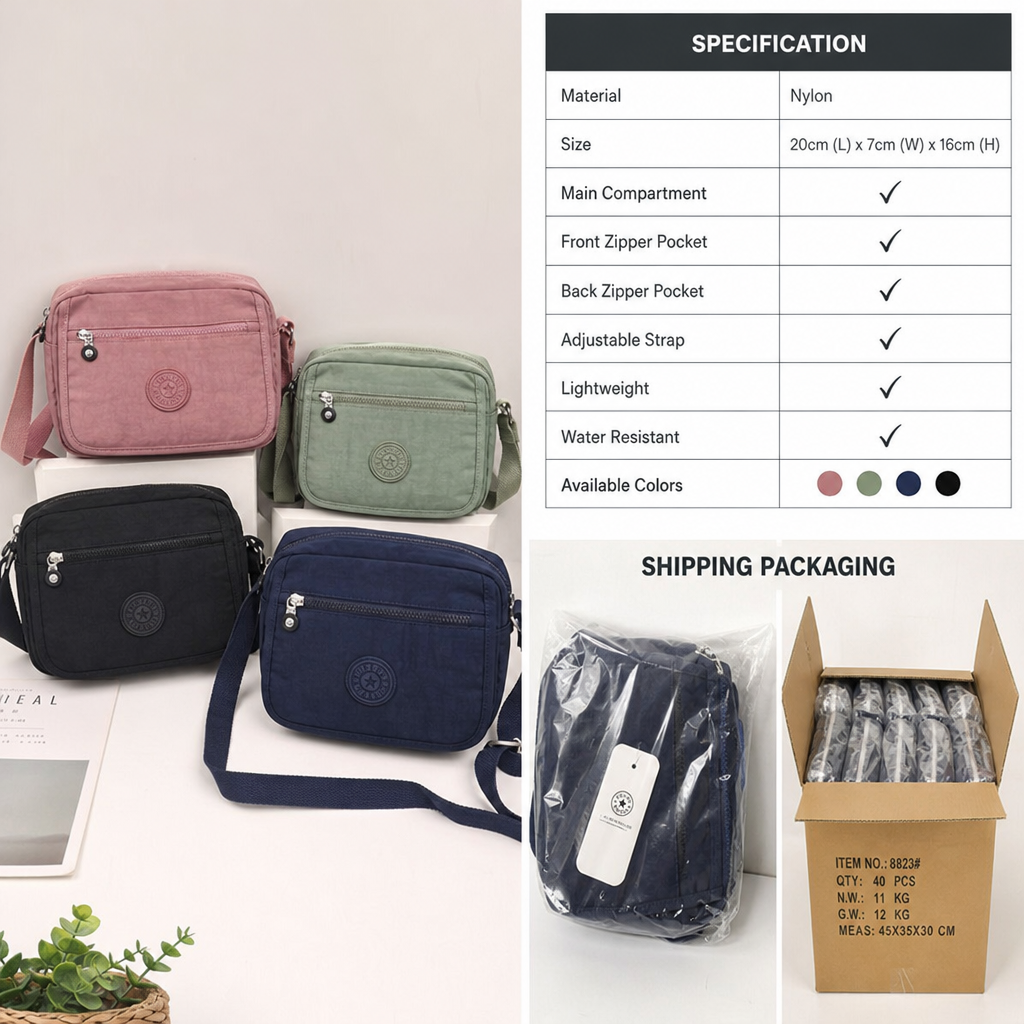
Inspect the product and its presentation:
Construction: Examine seams, fasteners, edges, closures, and visible finish.
Function: Test ordinary intended use, following supplied instructions and relevant safety precautions.
Accuracy: Compare the item with listing photos, specifications, and variant labels.
Packaging: Check protection, instructions, labeling, and unnecessary supplier branding.
Consistency: Where practical, compare multiple units or samples ordered at different times.
Photograph defects and explain them precisely. Replace “quality is poor” with an observable description, such as a missing component or a measurement outside your agreed tolerance. Ask the supplier to confirm the correction in writing before placing another order.
Keep an approved reference sample and require approval before changes to materials, components, or packaging. Do not treat a good sample as permission to skip later checks; include repeat sample orders in your ongoing review process.
Check product compliance before publishing listings
For products sold into the United States, use the Consumer Product Safety Commission’s Online Sellers’ Safety Guide to identify relevant product-safety resources. It specifically addresses online sellers, importers, and dropshippers. Determine the requirements for your product and business role rather than assuming the supplier’s assurances settle the issue.
Request documentation for the exact product you plan to sell. Ask who manufactured it, which model was tested, which requirements were evaluated, and whether the materials or design have changed. Flag any mismatch between the sample, listing, and supporting paperwork for professional review.
Distinguish test reports from required certificates. The CPSC explains, for example, that a passing report from a CPSC-accepted third-party laboratory supports a Children’s Product Certificate but is not itself that certificate. Use the agency’s guidance to establish what documentation applies instead of accepting a generic “certified” claim.
Before launch, ask a qualified compliance professional or customs broker to resolve uncertain responsibilities, required documentation, and import procedures. Include authenticity and permission to use branded designs in your review. If you cannot establish that a product is appropriate to sell, leave it off your store.
What should you test before sending customer orders?
Test the complete order journey: submission, stock confirmation, processing, carrier acceptance, tracking updates, delivery, and support. Use controlled orders to destinations representative of your intended market, and record what happens at each stage. Judge the supplier against written expectations rather than one overall delivery estimate.
For each test, log the order timestamp, dispatch notification, first carrier scan, delivery date, packaging condition, and product received. Distinguish a tracking number being created from the parcel being accepted by the carrier. Ask the supplier to explain gaps instead of filling them with assumptions.
When dropshipping from China, request separate estimates for order processing and transportation. Ask which carrier or service is quoted, how tracking works after handoffs, and what happens when delivery fails. Clarify who handles customs paperwork and whether the quoted amount includes applicable duties, taxes, or clearance charges; have uncertain import arrangements reviewed before launch.
Your customer-facing promises need evidence. The FTC’s merchandise-order rule requires sellers to have a reasonable basis for advertised shipment timing; when shipment cannot occur as promised, delay-consent or refund requirements apply. Build your store’s promises and escalation process around that obligation, not an untested supplier estimate.
Also test support with a realistic question about an order. Evaluate whether the response identifies the issue, proposes an action, and follows through—not merely how quickly someone replies.
Put costs, payment protection, and remedies in writing
Compare China dropshipping suppliers using an itemized quote for the same product, destination, and service. Ask each supplier to identify what is included and excluded. Separate sample pricing from ongoing order pricing so your comparison reflects the arrangement you intend to use.
Your cost worksheet should include:
|
Cost category |
What to clarify |
|---|---|
|
Product |
Exact variant, quantity basis, and substitution policy |
|
Fulfillment |
Picking, packing, handling, and packaging charges |
|
Transportation |
Shipping service, destination coverage, and surcharges |
|
Import costs |
Responsibility for duties, taxes, and clearance |
|
Exceptions |
Replacement shipping, returns, storage, or disposal |
Use the completed worksheet to estimate contribution margin after your own selling costs. Test a less favorable scenario, such as a replacement shipment, rather than approving a supplier only because the initial quote fits your target margin.
Make payment safeguards specific
If using Alibaba.com Trade Assurance, check the applicable rules and ensure your order and payment follow the platform’s requirements. Alibaba advises buyers to keep communications on-platform and record quantity, specifications, and shipping information in the order contract. Do not treat a protection badge as a substitute for clear terms.
Independently verify any change in bank details or payment procedures through an established contact channel. The FBI specifically recommends confirming account changes and payment requests rather than trusting an email alone. Pause a payment if the request combines changed instructions with unexplained urgency.
Agree on exception handling
Document the evidence required for damaged, defective, incorrect, or missing orders. Specify the reporting window, response expectations, available remedies, and responsibility for additional shipping. Ask whether a supplier remedy means a refund, replacement, or credit against future purchases.
Set separate procedures for product defects and customer change-of-mind returns. Require approval before a substitute product is shipped, and define when an unresolved order should be escalated. Have material contract commitments reviewed professionally rather than assuming a chat agreement covers every dispute.
Use a scorecard, then keep monitoring
Create a supplier scorecard using the same criteria for every candidate: identity checks, sample quality, fulfillment tests, communication, documentation, cost clarity, and issue resolution. Mark each result as verified, unresolved, or unacceptable. This keeps an appealing quote from overshadowing missing evidence.
Set nonnegotiable rejection conditions before reviewing final prices. Examples might include an unexplained payment-recipient mismatch, refusal to provide required product documentation, or shipment of an unapproved substitute during testing. Treat these as decision rules, not concerns to revisit only after launch.
For suppliers that pass, start with a controlled volume and review actual orders against your test results. Track dispatch performance, tracking gaps, wrong-item reports, defects, and unresolved claims. Set review thresholds appropriate to your store and pause affected listings when performance falls outside them.
Agree on notification procedures for stock shortages, warehouse closures, price changes, and product modifications. Keep an alternative candidate under review, but put that supplier through the same checks before using it. A backup is not ready merely because its catalog contains a similar item.
Choose evidence over reassurance
The most useful way to compare dropshipping suppliers is to ask what each one has demonstrated: a verifiable business identity, acceptable products, workable fulfillment, and clear accountability.
Keep unresolved risks visible, and resist pressure to replace checks with promises. Start small, document what matters, and increase order volume only when observed performance supports the decision.
Frequently Asked Questions About Dropshipping Suppliers in China
What should I look for in a dropshipping supplier in China?
When vetting a supplier, focus on their business identity, product quality, fulfillment capabilities, shipping processes, and customer service resolution terms. Always request documentation for verification.
How can I verify the legitimacy of a Chinese dropshipping supplier?
Verify a supplier by checking their business license, comparing it to the provided contracts, and arranging live video calls to inspect the operations and product quality.
What are the risks associated with dropshipping from China?
Risks include poor product quality, shipping delays, miscommunication, and lack of accountability. It’s crucial to conduct thorough due diligence to mitigate these risks.
Can I trust low-priced suppliers?
Low prices may indicate potential issues with product quality or service. Always weigh prices against verified business practices and quality standards to ensure reliability.
How do I handle product defects or discrepancies when working with a Chinese supplier?
Clearly document your expectations regarding defects, missing items, or incorrect shipments upfront. Establish procedures for reporting issues, remedies, and escalation processes to address these challenges.