Back To Blog
Buying beaded Christmas ornament kits wholesale means choosing a ready-to-make craft assortment for resale, workshops, or group activities—not simply ordering loose beads in larger quantities.
The right purchase should fit your audience, include clearly documented materials, and leave room in your budget for packaging, preparation, and delivery. This article explains how to compare kits, evaluate samples, and build a holiday selection without relying on product photos alone.
What should you look for in a wholesale beaded Christmas ornament kit?
Look for a kit with a clear contents list, a stated finished-ornament quantity, understandable instructions, and materials suited to your intended makers. Before comparing prices, confirm whether the supplier sells individual retail kits, multipacks, or bulk components requiring you to sort and package everything yourself. Treat those as different purchasing options rather than interchangeable offers.
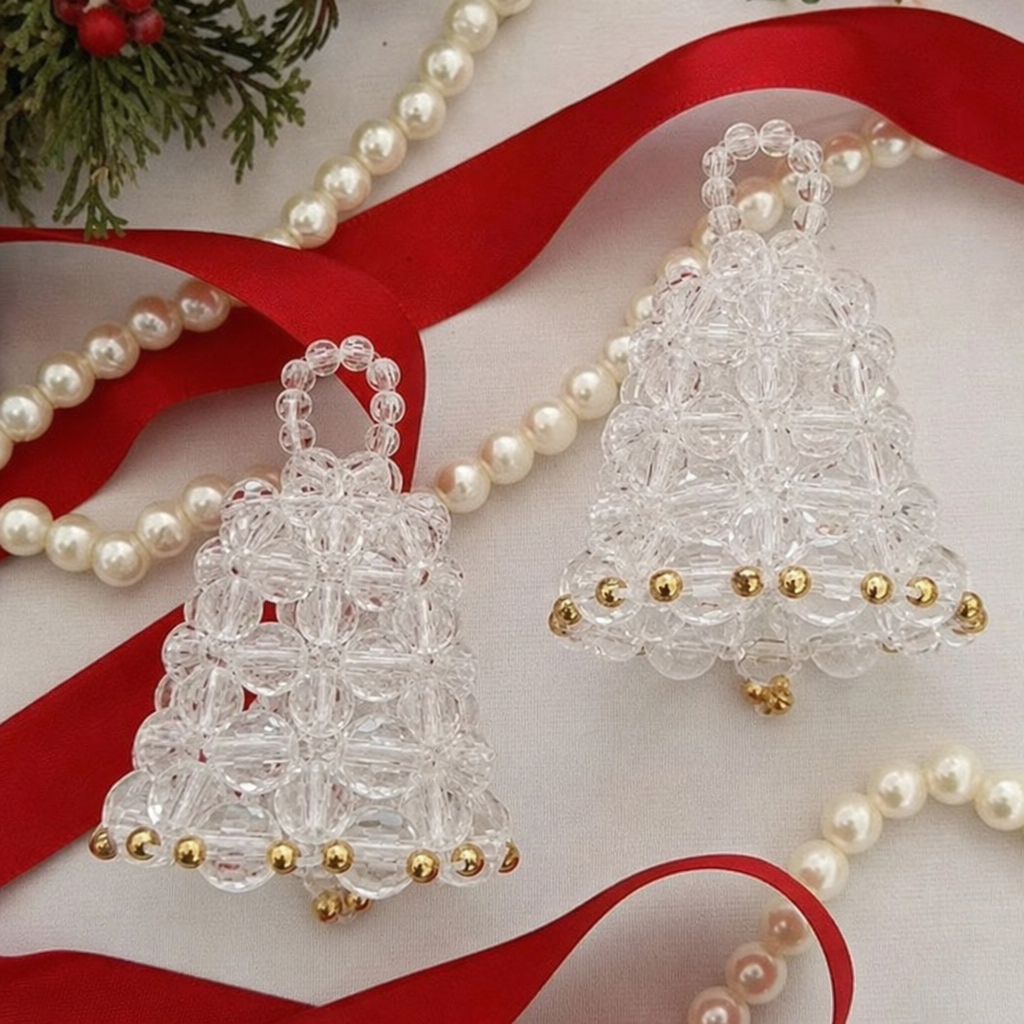
Actual kit formats illustrate why this matters. The Beadery’s Crystal & Pearl Bell Ornament Kit lists beads, wire, and instructions and makes six ornaments.
Oriental Trading’s bulk candy cane kit instead describes pieces prepackaged for individual use, with instructions included. Those differences deserve attention when planning either a retail display or a shared activity.
Build your comparison around these questions:
What does one ordered unit contain? Record the number of packages and finished ornaments separately.
What must the maker provide? Ask specifically about tools, hanging materials, adhesives, and any ornament base.
How are the pieces packed? Request photos of the actual packaging, not just the finished decoration.
Who is the project intended for? Check the manufacturer’s age guidance and skill description.
What happens if something is missing? Get the supplier’s replacement process before placing an order.
Keep the answers in one purchasing sheet. That gives you a practical basis for comparing suppliers without confusing an attractive image with a complete offer.
Match the kit to the people making it
Start with the maker’s experience and the setting. For a drop-in event, consider a project with a short sequence you can demonstrate clearly. For a dedicated beading session, consider a more detailed design after testing the instructions and checking the tools involved.
Avoid treating every Christmas Ornament Kit as the same activity. Michaels, for example, labels its beaded wreath project as beginner-level and provides a separate materials list. Beadwork Designs by Joanie Jenniges describes ornament kits using crystals, pearls, seed beads, and glass ornament bases. Review the actual construction before deciding which format fits your customers or participants.
For retail, define the customer you want to serve: someone buying a small creative gift, an experienced maker choosing a seasonal project, or a host preparing a craft gathering. Write your product descriptions around that intended use, supported by verified contents and instructions.
For workshops, test the project under conditions resembling the session. Assemble it at a shared table, use the planned lighting, and note where you need extra explanation. Build your schedule from that trial rather than an assumed completion time.
Separate nostalgic styling from material claims
A nostalgic Christmas beaded crystal ornament kit can be a useful creative direction, but the wording alone should not determine your purchase. Describe the intended look through specific design choices: bell shapes, pearl-like accents, clear faceted beads, or a traditional holiday palette. Then verify the actual materials separately.
The distinction is important. The Beadery’s Crystal & Pearl Bell Ornament Kit lists its material as polystyrene plastic, while Beadwork Designs identifies Swarovski crystals and glass ornament bases in specified kits. A crystal-themed product name therefore should not substitute for reading the material description.
When reviewing a sample, ask yourself:
Does the finished piece match the photographed shape and proportions?
Are the bead colors and finishes suitable for your planned collection?
Does the material description support the wording you intend to use?
Can you show the ornament clearly without heavily edited lighting?
Use accurate descriptions such as “clear faceted plastic beads” or “glass beads” only when the supplier confirms them. Reserve claims such as genuine crystal, handmade, or vintage for products with supporting information. Nostalgic styling is a visual choice; it does not establish a product’s age, origin, or composition.
Compare complete kits with separate ornament making supplies
Choose between packaged kits and separate ornament making supplies according to how much preparation you want to handle. Ask what the supplier has already selected, counted, and documented, then identify the work left for your team. Compare both routes using your actual project plan.
PotomacBeads presents ornament kits, individual supplies, patterns, and tutorials as distinct options. Its kit description specifies beads, findings, and instructions, while its separate patterns invite makers to choose their own colors. That distinction offers a useful starting point for deciding how much control you want over the finished project.
|
Purchasing route |
Consider it when |
Check before ordering |
|---|---|---|
|
Individually packaged kits |
You want a defined product for resale or distribution |
Package contents, labeling, instructions, and display format |
|
Bulk group packs |
You are preparing a shared activity |
Individual portioning, total project yield, and shared tools |
|
Separate components |
You want to select colors or develop an original project |
Material compatibility, counting, packaging, and instruction preparation |
For a custom diy ornament kit, assemble one complete prototype before buying the full component order. Check every bead against the selected stringing material and follow the relevant component instructions. Photograph the approved version and keep a master contents list.
Also review any conditions attached to purchased patterns before reproducing instructions or using them commercially. Joanie Jenniges, for example, publishes specific restrictions on copying materials and using designs in teaching or kits. Ask the rights holder directly when your proposed use is unclear.
How do you compare wholesale value beyond the unit price?
Compare wholesale value by calculating the cost of getting each complete, usable kit into the customer’s or participant’s hands. Include the quoted product cost and any applicable freight, packaging, preparation, or replacement allowance. Use the same calculation for every supplier so that unlike package sizes do not distort your decision.
A useful planning formula is:
Estimated cost per usable kit = total purchasing and preparation costs ÷ complete usable kits available.
Keep “per kit” and “per ornament” calculations separate. A package intended to make several ornaments is a different selling unit from a single-project package, even if both listings use the word kit. Decide which measure matters for your retail pricing or activity budget.
Ask suppliers to clarify:
- Order minimums: Confirm minimum quantities and whether designs or colors can be mixed.
- Packaging charges: Ask whether individual bags, printed inserts, or custom labels cost extra.
- Delivery terms: Request an estimate for your destination and distinguish dispatch from arrival.
- Substitutions: Specify whether material or color changes require your approval.
- Issue resolution: Establish how to report incomplete, damaged, or incorrect goods.
Do not assume a wholesale label guarantees the best fit. Choose an order size you can reasonably use or sell, and compare the full commitment rather than the advertised unit price alone.
Evaluate a sample from opening to finished ornament
Request a sample when available and assess the entire experience, not just the completed Beaded Christmas Ornament. Open it as a first-time customer would, without relying on supplier explanations that will not appear in the package. Record unclear wording, unidentified pieces, and any tools you discover you need.
Use this practical sample checklist:
- Inventory the contents: Compare the supplied pieces with the instructions and stated project yield.
- Follow the written sequence: Mark any step that requires guessing or outside help.
- Check the finish: Look for an appearance consistent with the approved product images.
- Review the hanging method: Follow the instructions and assess whether the finished presentation meets your needs.
- Repack the project: Check whether the proposed packaging protects and identifies the contents adequately.
Ask a second person from your intended audience to try the sample if practical. Let them work from the supplied instructions, then ask where they felt uncertain. Their feedback can help you decide whether to choose another kit or prepare additional support.
Follow manufacturer warnings and age guidance when planning activities. If essential information is missing, request clarification rather than writing your own suitability claims. Keep the approved sample and supplier correspondence together for checking the eventual shipment.
Build a focused holiday assortment
Plan your christmas craft supplies around a clear use case rather than collecting unrelated designs. You might choose a traditional red-and-green selection, a clear-and-white collection, or one coordinated shape offered in several verified colors. Treat these as merchandising ideas to test, not assumptions about what every shopper wants.
Give each product a specific role in the range. One could be your introductory project, another a gift-focused kit, and a third a more involved option for returning makers. Explain the difference through the actual technique, contents, and required tools rather than vague labels such as “premium.”
For beading project ideas, consider a coordinated set of tree decorations, an ornament attached to gift wrapping, or a family craft session in which each participant makes a matching design. Confirm that the chosen kit supports the intended use before promoting it. Keep optional extras separate from what the package actually includes.
For holiday diy ornaments, create a planning card covering the chosen kit, verified contents, intended audience, sample feedback, and display concept. This keeps your purchasing and presentation decisions connected. It also gives staff a consistent reference when explaining the assortment.
Present the project clearly online and in person
Show buyers both the finished Christmas Ornament and what arrives in the package. Include a clear contents image, a close-up of the bead finish, and a view that communicates the completed size. Distinguish decorative props from included materials in the accompanying copy.
Make your product description answer these practical points:
- The number of ornaments the package is intended to make.
- The confirmed bead and component materials.
- The stated finished dimensions, where supplied.
- Tools or additional materials the maker must provide.
- The format of the instructions and the manufacturer’s applicable guidance.
Keep descriptions specific and readable. Instead of promising “everything needed,” list the contents and identify exclusions. Instead of calling a project effortless, describe its assembly method and let your sample assessment guide any skill-level wording.
For an in-person display, place an assembled sample beside the packaged kit and provide the same verified information used online. If you organize a workshop, show participants the intended finished result before they begin. Use the sample as a reference, not as a promise that every maker’s piece will look identical.
Order with a clear plan for arrival and use
Work backward from the date you need the kits ready for sale or distribution. Allow time in your plan for receiving, checking, assembling display samples, and resolving discrepancies. Ask the supplier which dates are estimates and get important order details in writing.
When the shipment arrives, compare it with the approved sample and purchase record. Check package quantities, design names, stated materials, and visible condition before distributing the goods. Keep a record of any discrepancies so your supplier can understand the issue without repeated explanations.
The strongest approach to beaded Christmas ornament kit wholesale purchasing is straightforward: define the audience, verify the contents, test the project, and compare the full cost. Choose a manageable assortment you can describe accurately and support confidently. A thoughtful sample review is a better starting point than a large order based only on sparkle.
Frequently Asked Questions About Beaded Christmas Ornament Kit Wholesale
What should I consider when purchasing a beaded Christmas ornament kit wholesale?
Look for kits with clear contents lists, stated quantities of finished ornaments, understandable instructions, and materials suited to your audience. Also, confirm whether the supplier offers individual retail kits or bulk components.
How do I evaluate the quality of a beaded ornament kit?
Assess the entire experience from opening the package to completing the project. Inventory the contents, follow the instructions, and check the finish against product images to ensure quality and consistency.
Are all Christmas ornament kits suitable for beginners?
No, it's essential to check the manufacturer’s age guidance and skill level description. Some kits are designed for beginner crafters, while others may require more advanced skills.
How can I determine the wholesale value of a beaded ornament kit?
Calculate the estimated cost per usable kit by considering total purchasing and preparation costs divided by the number of complete usable kits. Include any freight and packaging costs in your calculations.
What materials should be included in a beaded Christmas ornament kit?
A good kit should include all necessary beads, wires, embellishments, and written instructions. Certain kits may also require additional materials or tools, which should be clearly stated in the product description.