Back To Blog
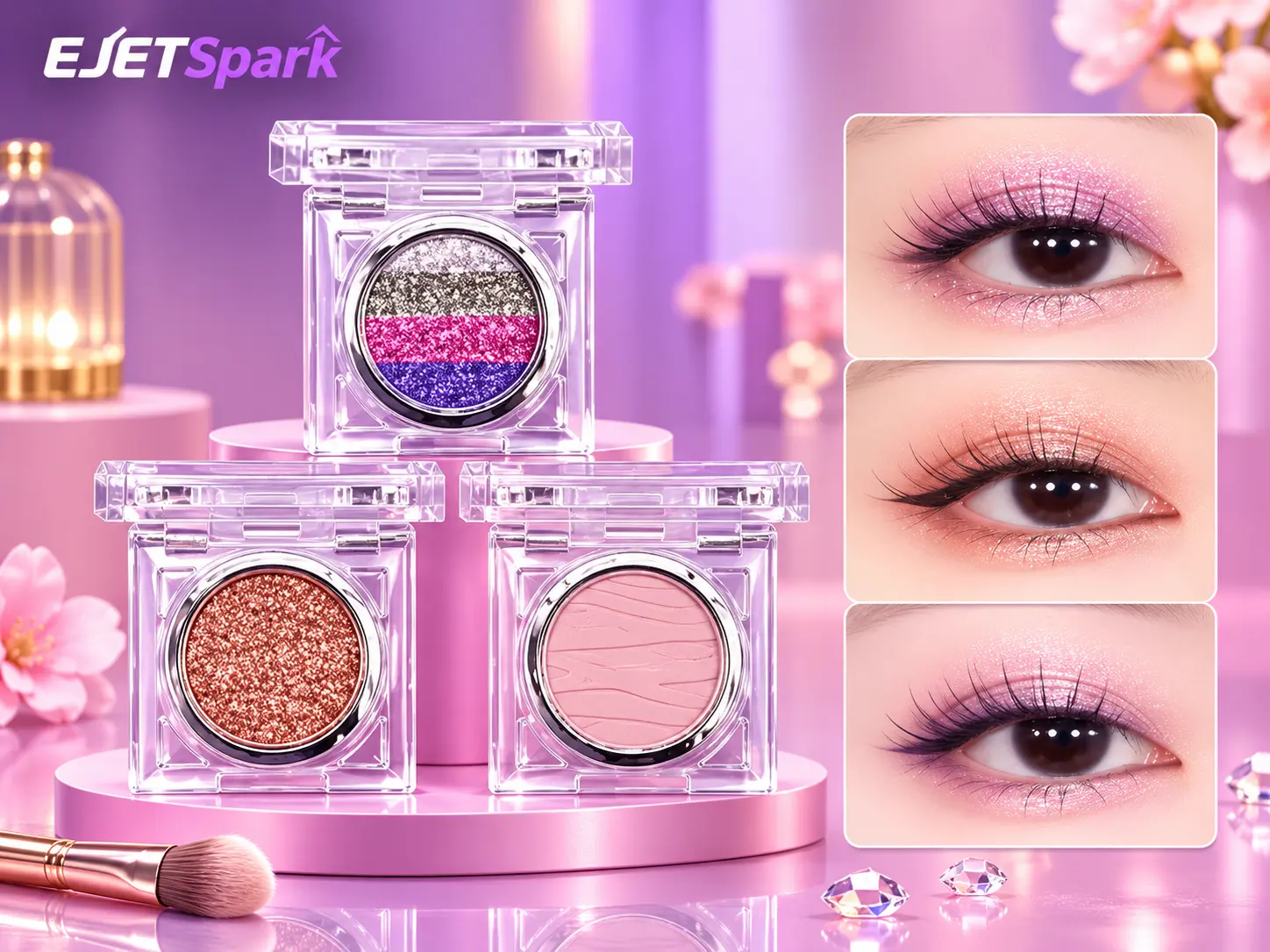
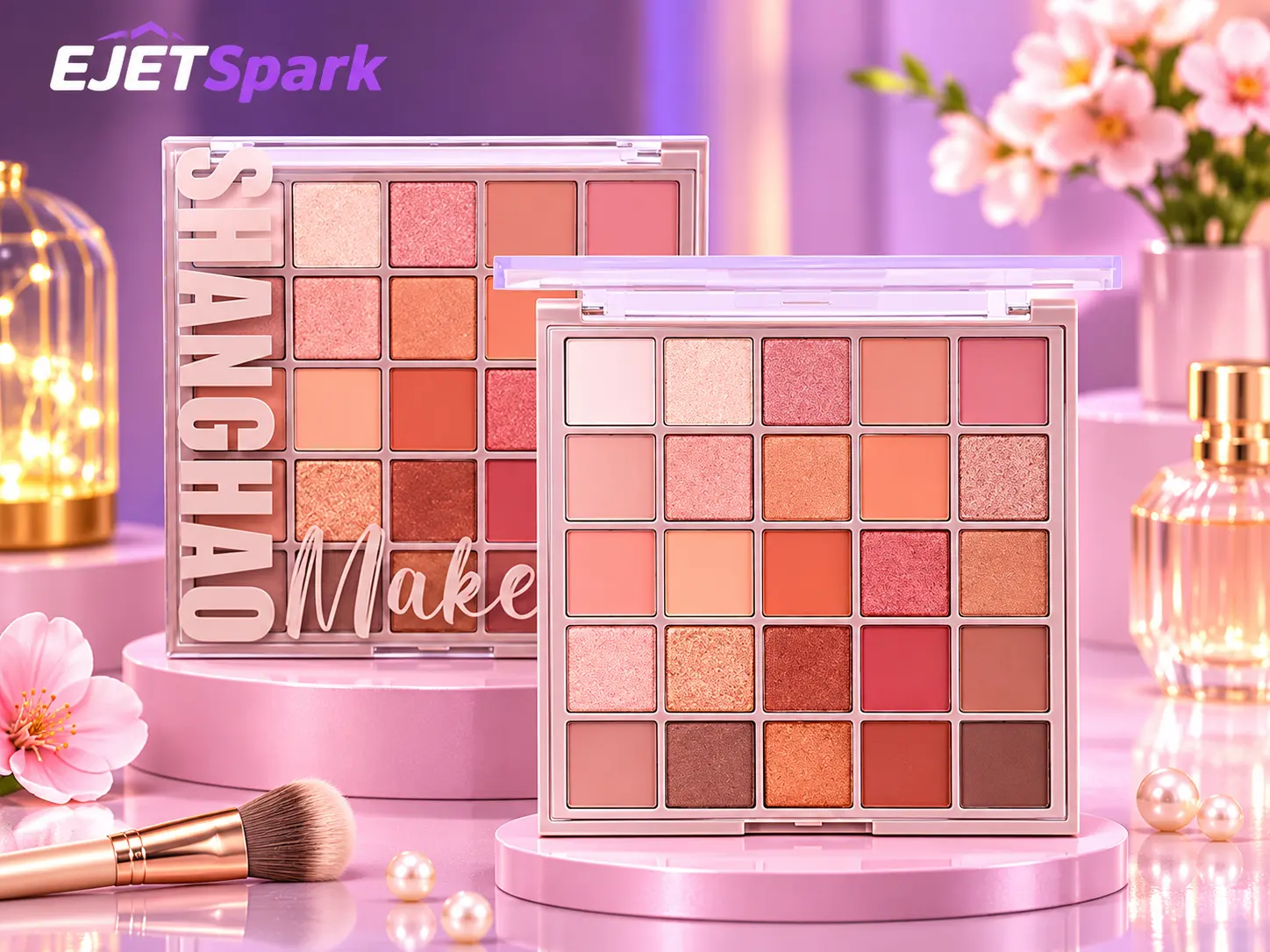
Eyeshadow makeup from China is worth exploring through two separate lenses: the products you buy and the looks you want to create.
This article brings those decisions together, with practical advice on evaluating palettes, adapting placement to your eyelids, and choosing wearable color combinations.
You will also learn how to approach historical inspiration without confusing it with modern makeup tutorials.
What should you look for in eyeshadow makeup from China?
Start with the individual product: its intended use, ingredient information, seller, and application instructions. For shoppers in the United States, imported cosmetics must meet the same applicable FDA requirements as domestically produced cosmetics.
That makes product-level information more useful than treating a country-of-origin label as a quality guarantee or warning.
Keep three questions separate while browsing:
Where was it manufactured? Check the product information rather than inferring origin from the brand name or packaging.
Who is selling it? Prefer a brand’s official shop or a retailer whose authorization you can verify.
What is it intended to do? Read the directions for the exact palette and shades, especially when a compact combines eye and face products.
Use those questions as a shopping filter, not an invitation to investigate every beautiful compact indefinitely. If a listing leaves basic information unclear, ask the seller before ordering. Save the product name and shade details so you can compare the listing with what arrives.
For eye-area use, labeling deserves particular attention. The FDA notes that some color additives permitted in other cosmetics are not permitted around the eyes; a blush or lip product is therefore not automatically suitable as eyeshadow. (fda.gov)
Chinese makeup looks and historical inspiration are different starting points
Choose whether your reference is a modern beauty look or a historical reconstruction before selecting colors. For a creative everyday look, you can borrow a palette or shape without claiming historical accuracy.
For a reconstruction, begin with an identified artwork, object, or period reference rather than assembling unrelated decorative details.
Traditional Chinese makeup deserves that specificity. The MIHO Museum’s discussion of Tang-period entertainers describes white facial makeup, rouge, red lips, and dark brows, while noting that eyebrow shapes can help date the figures.
These details offer a more grounded reference than treating every red-and-gold eye look as an ancient tradition.
For a modern interpretation, try a restrained combination: softly defined eyes, a coordinated cheek color, and a stronger lip. Describe it as historically inspired unless you have researched the complete look.
You can appreciate an artwork’s color relationships without presenting a contemporary eyeshadow routine as the original practice.
Approach “Chinese beauty secrets” with the same curiosity. Instead of searching for a mysterious universal method, identify the visible choices you admire: where the deepest color sits, how softly its edges fade, and which feature receives emphasis.
Build a palette around a complete look
Before buying, write down the look you expect the palette to create. “Soft brown definition with a rose lid” is a more useful shopping goal than “something versatile.” It gives each shade a job and makes duplicate purchases easier to spot.
A compact starting selection might include:
|
Shade role |
What to look for |
How you could use it |
|---|---|---|
|
Base |
A shade close to your skin’s depth |
Create a restrained starting layer |
|
Transition |
A medium brown, rose-brown, or taupe |
Connect your lid color with the outer edge |
|
Definition |
A deeper brown, plum, or charcoal |
Concentrate emphasis near the lashes or outer corner |
|
Accent |
A contrasting matte or suitable satin |
Add one deliberate focal point |
Treat these as roles, not mandatory purchases. You may already own a useful definition shade, making a single accent more sensible than another large palette. Equally, skip the accent entirely if you prefer an all-matte finish.
Match the format to your routine
Powders, creams, liquids, and sticks offer different application options. L’Oréal Paris describes powders as blendable, while sticks provide a convenient application format; its guidance also distinguishes flat brushes for placing powder from fluffy brushes for softening edges. Choose around the tools and time you actually use.
Before committing, ask yourself:
Will I apply this with brushes, fingers, or the supplied applicator?
Do I want a sheer wash or a more defined shape?
Can I find directions for this particular formula?
Does the palette support my usual routine without extra purchases?
Packaging can be part of the pleasure. Just give the usable shades equal attention before you decide.
How do you adapt eyeshadow to your eye shape?
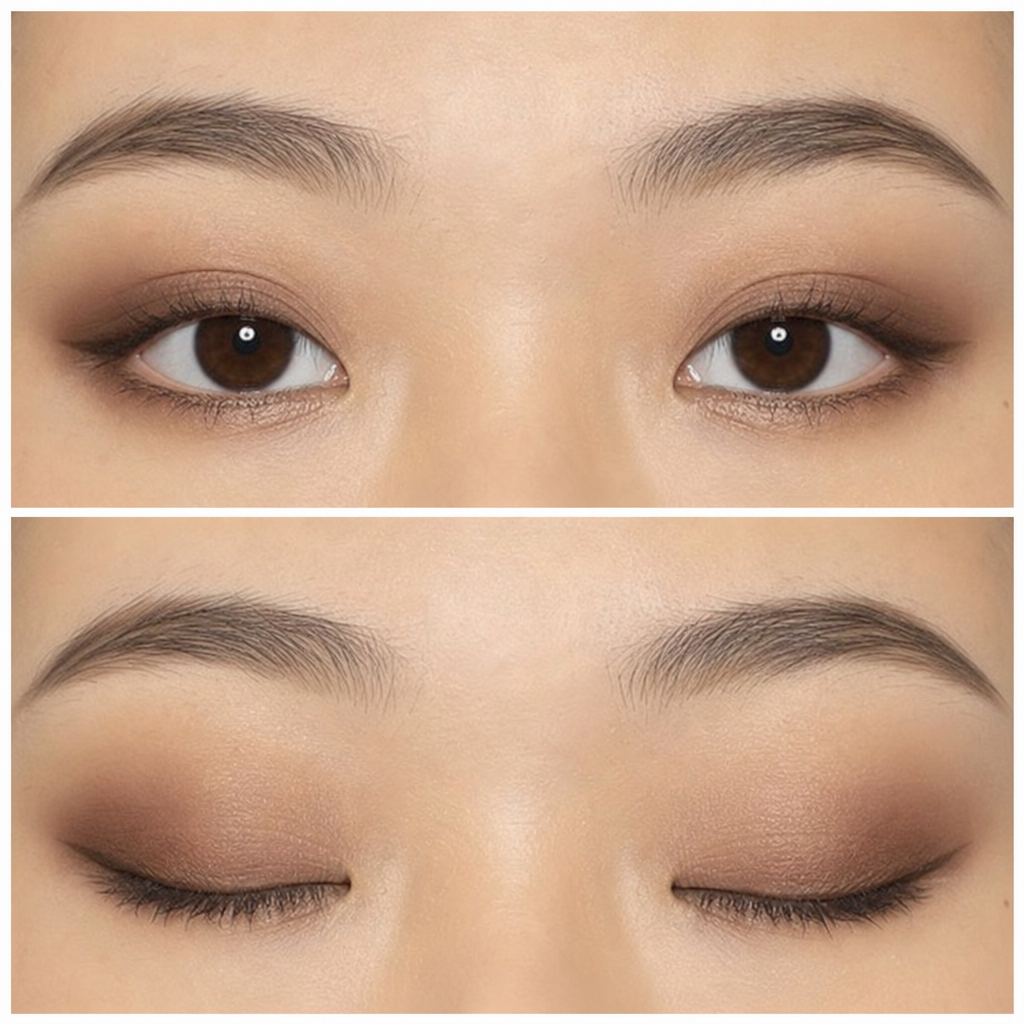
Adapt eyeshadow by checking what remains visible when your eyes are open, then positioning color around the effect you want. For monolids, makeup artists interviewed by Makeup.com suggest gradients that deepen toward the lash line.
For hooded lids, they recommend checking placement while looking straight ahead so the intended definition remains visible.
When searching for makeup for Asian eyes, use the results as starting references rather than fixed instructions. Compare your relaxed, open eyes with the demonstration before copying its placement. Keep the parts that serve your intended look, and leave the rest.
Start with an open-eye placement check
Sit facing a mirror and decide where you want the main emphasis. Try the outer corner for an extended shape, or choose a simple wash if you do not want a sculpted effect. Sketch lightly first, pause, and look straight ahead before adding intensity.
For monolids or a partly hidden crease, experiment with a lash-line gradient instead of forcing a dark arc into an imagined socket. Keep the deepest shade close to the upper lashes and soften the color upward.
This follows the gradient approach described by the artists interviewed by Makeup.com.
Your goal need not be perfectly matching closed eyelids. Judge the finished effect with your face relaxed, then make small adjustments on each side. Take a quick reference photo if that helps you remember placement for next time.
A practical sequence for softer eyeshadow application
Use this sequence as a practice routine rather than a rule for every formula. Begin with two coordinating shades and add complexity only after you are happy with their placement. Follow the product’s own directions wherever they differ.
Prepare a thin base. If using an eye primer, apply it sparingly according to its instructions. Avoid beginning with an unnecessarily thick layer.
Place the lighter shade. Use it to establish the area you want to cover rather than automatically filling every space below the brow.
Add definition selectively. Place the deeper shade near the outer corner or upper lash line, keeping the initial shape small.
Blend the boundary. Use a clean blending brush with light pressure where the shades meet. Preserve the concentrated color instead of sweeping repeatedly across the whole lid.
Check the open-eye result. Relax your brows, look forward, and decide whether anything needs more definition.
Primer, base color, selective depth, and gentle edge blending are established elements of L’Oréal Paris’s application guidance. The brand specifically advises using clean brushes, light pressure, and blending where colors meet rather than overworking the entire lid.
Practice these eyeshadow application techniques with the same two shades several times before changing your palette. That gives you a clearer comparison between attempts. Note one adjustment each time, such as a smaller outer corner or a softer upper edge, instead of changing everything simultaneously.
Keep hands and applicators clean throughout. The FDA recommends washing your hands before applying eye cosmetics, using clean instruments, and not sharing makeup. Those habits matter regardless of the product’s price or origin.
Which eyeshadow color ideas should you try first?
Start with a combination you can describe in three roles: the main color, the defining shade, and an optional accent. The following eyeshadow color ideas are suggested creative exercises, not claims that one palette represents all Chinese makeup looks.
Choose one and adapt its intensity to your preferences.
Rose-brown with a muted pink lid
Try muted pink as the main lid color and rose-brown at the outer corner. Keep the initial application restrained, then decide whether you want a deeper brown near the upper lashes.
For your first attempt, leave the lower lash line bare so you can evaluate the upper-lid shape clearly.
Consider pairing it with a softly coordinated cheek or lip rather than matching every product exactly. If the result feels too pink for your taste, repeat the look with brown as the main shade and pink as a smaller accent.
Changing the proportions gives you another version without requiring another palette.
Bronze with espresso definition
Try bronze across the lid with espresso reserved for a narrow outer-lash detail. Alternatively, choose a matte caramel lid and keep bronze as a small accent. Compare both versions before deciding which deserves a place in your regular routine.
If you choose a reflective formula, check that it is intended for eye-area use and follow its directions. Do not substitute craft glitter or an unspecified decorative pigment. The FDA advises using only cosmetics intended specifically for the eye area around the eyes.
Plum with a restrained red accent
For a more expressive exercise, try plum as the main shade and a small amount of red at the outer lid. Keep the first version simple: two colors, one clear shape, and no additional decorative details. Photograph it, then decide whether your next attempt needs more red, less depth, or a softer edge.
Only attempt this combination with products specifically intended for eye use. A red lipstick or blush is not an interchangeable substitute merely because the color looks right. Eye-area suitability depends on the product and its permitted ingredients, not the shade name.
Shop thoughtfully and keep the routine comfortable
Before checkout, review the full purchase rather than just the palette photograph. Check the seller, shade selection, available ingredient information, delivery terms, and return conditions. If you are buying mainly for a specific tutorial, confirm that you have identified the same product and color variation.
Be cautious about treating “FDA approved” as a blanket endorsement of an eyeshadow palette. Cosmetics generally do not receive FDA premarket approval, although color additives are subject to specific approval requirements. Imported products still have to comply with applicable U.S. requirements.
After the product arrives, keep its packaging and instructions while you get familiar with it. Introduce it into a simple look rather than combining several unfamiliar products at once. That also gives you a useful opportunity to assess whether its application suits your routine.
Stop using an eye cosmetic immediately if it causes irritation. Avoid eye makeup while you have an eye infection or inflamed surrounding skin, and seek medical advice if irritation persists. These are FDA safety recommendations, not issues to troubleshoot by adding primer or changing brushes.
Make the look your own
Start with a clearly identified product, a manageable color combination, and a reference you understand. Practice placement before buying more shades, and distinguish creative inspiration from historical reconstruction.
The most useful eyeshadow makeup routine is one you enjoy repeating—not one that requires you to reproduce every detail of somebody else’s face.
frequently asked questions (FAQs) related to eyeshadow makeup from China that you can include in your article:
Frequently Asked Questions About Eyeshadow Makeup from China
What should I consider when buying eyeshadow products from China?
Look for information on the product's intended use, ingredient details, and the seller's credibility. Ensure that the product meets FDA requirements for cosmetics in the U.S. before purchasing.
How can I adapt eyeshadow application techniques for different eye shapes?
It's essential to adapt your application based on your eye shape. For monolids, consider using gradients that deepen toward the lash line. For hooded lids, make sure the definition is visible when your eyes are open.
What are some popular eyeshadow color combinations inspired by Chinese beauty?
Some color ideas include rose-brown with a muted pink lid, bronze with espresso definition, and plum with a restrained red accent. These combinations allow for creativity while drawing from traditional Chinese aesthetics.
Are there specific eye makeup safety regulations I should be aware of?
Yes, some color additives are not permitted for use around the eyes, and products must be specifically designed for eye-area application. Always check that cosmetics meet FDA safety guidelines.
Can I use non-eyeshadow products, like lipstick, as eyeshadow?
No, it's essential to use products intended specifically for eye makeup, as non-compliant products may contain ingredients that can irritate the eyes. Always verify that your cosmetics are safe for eye use.