Back To Blog
Buying pencils in bulk can reduce the cost per pencil, simplify restocking, and keep useful supplies ready for classrooms, offices, events, and everyday projects.
The best value comes from matching the quantity and pencil type to actual use—not simply choosing the largest box.
With a little planning, a bulk order can help you spend more deliberately while avoiding shortages, unnecessary purchases, and storage headaches.
Why buy pencils in bulk instead of small packs?
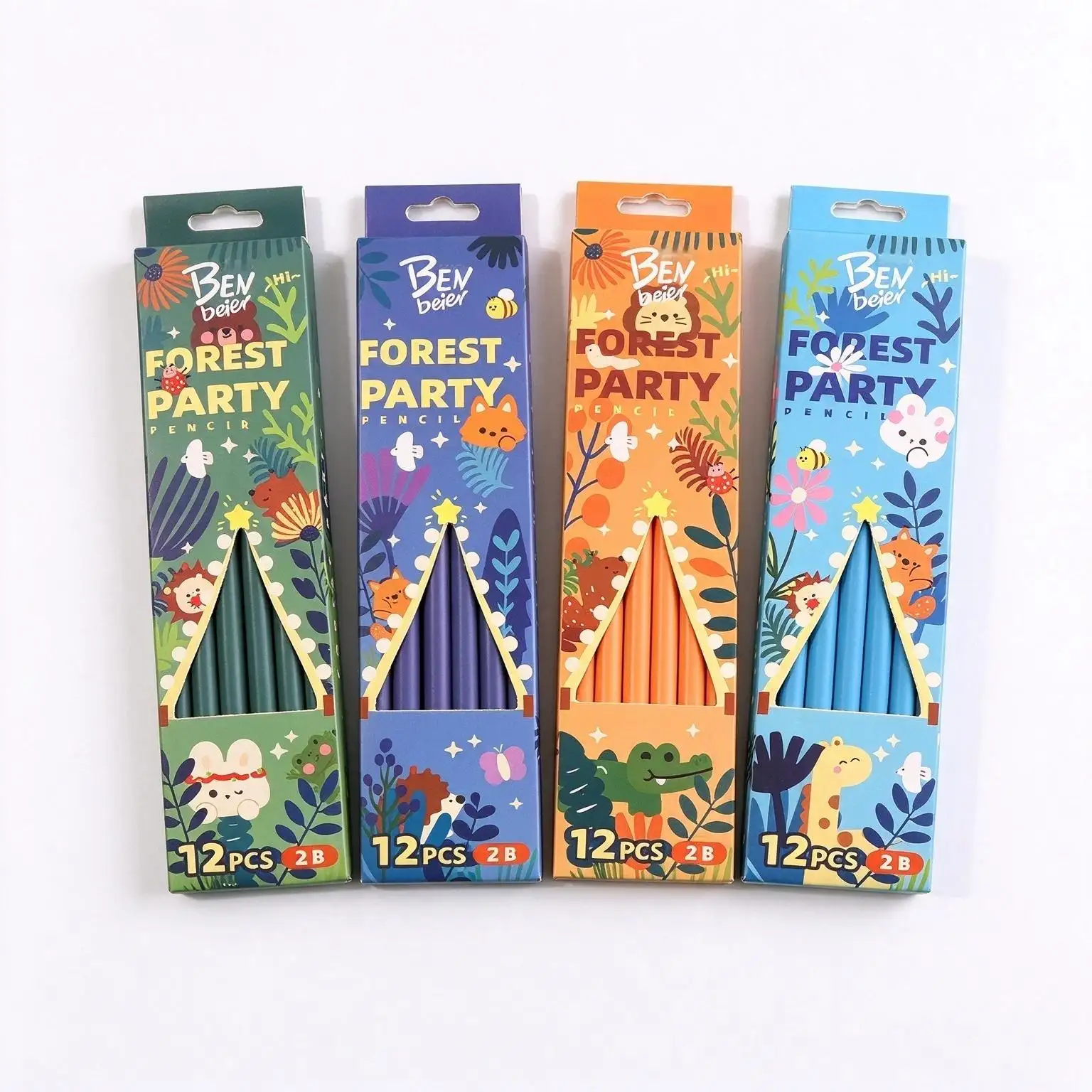
Buying pencils in bulk makes sense when you use them regularly, distribute them to groups, or want a dependable reserve. A larger order can offer a lower unit price and reduce the number of separate purchases you need to make. However, those benefits depend on the delivered cost, product quality, and whether you will use the quantity ordered.
Think about a classroom supply cupboard. Buying a few packs whenever pencils run out means someone must notice the shortage, arrange another purchase, and distribute the replacement supplies. A planned bulk order lets you handle that work in advance and replenish smaller classroom containers from one central supply.
The same approach works for reception desks, training rooms, community programs, and households with regular writing or drawing needs. You are not just purchasing more pencils; you are creating a simple supply system.
Bulk buying is less useful when demand is uncertain or storage is limited. The goal is a quantity that supports your routine, not a box that stays untouched for years.
Lower the real cost of everyday supplies
The clearest potential benefit is a lower price per usable pencil. To check whether an offer provides that benefit, divide the full delivered cost by the number of pencils included. Compare equivalent products rather than assuming every large pack is a bargain.
For example, an inexpensive unsharpened pencil and a ready-to-use pencil with an eraser may serve different needs. If staff must sharpen hundreds of pencils before an event, preparation time belongs in the decision—even if it does not appear on the invoice.
Look beyond the headline price when comparing wholesale pencils:
Shipping charges: A low product price may be offset by delivery costs.
Included features: Check for erasers, sharpening, and any requested printing.
Usable quantity: Confirm whether the listing describes individual pencils, packs, or cases.
Preparation needs: Consider the equipment and time needed before distribution.
Expected performance: A pencil that breaks repeatedly may provide less value than its price suggests.
Cheap pencils can be a sensible purchase for everyday tasks. The important distinction is between an affordable product that does its job and a disappointing one that creates extra work.
Keep classrooms and shared spaces supplied
A reserve of pencils makes routine supply problems easier to solve. Instead of interrupting a lesson, meeting, or activity to find something to write with, a teacher or organizer can direct people to a designated container.
When choosing pencils for schools, consider how they will move from storage to students. Classroom sets, shared resource rooms, art activities, and take-home supplies may each need separate allocations. Keeping those quantities distinct prevents one busy activity from consuming the entire reserve.
A practical classroom setup might include a container for ready-to-use pencils, a separate place for pencils needing sharpening, and a backup supply managed by an adult. This gives students a clear process without leaving every new pencil available at once.
The same principle applies in offices and community spaces. Place a modest working quantity where people need it, then store the remainder centrally. Bulk purchasing helps most when it is paired with thoughtful distribution; an oversized box on a crowded desk is not much of a system.
Spend less time on repeat purchasing
Restocking involves more than placing an order. Someone may need to count supplies, compare options, request approval, receive the delivery, and put everything away. Consolidating predictable demand into fewer purchases can reduce how often those steps interrupt other work.
For a small business, that might mean keeping writing supplies ready for workshops without adding a shopping trip before every session. For a parent or caregiver, it could mean having replacements available for homework rather than searching for a pencil at the last minute.
Still, convenience depends on maintaining visibility. If supplies disappear into an unmarked cupboard, you can end up placing another order despite having plenty on hand.
Keep the process simple:
Choose one storage locati0n. Make it clear where unopened stock belongs.
Identify who checks supplies. Avoid relying on everyone to notice a shortage.
Set a reorder point. Keep enough reserve to cover normal use while another order arrives.
Record the product details. Save the pencil type and pack quantity so repeat orders are easier to compare.
These habits make bulk pencils easier to manage without creating a complicated inventory project.
Which type of bulk pencil fits your needs?
The right pencil depends on who will use it, what they will do with it, and how much maintenance is practical. Standard wood-cased pencils suit many everyday writing tasks, while mechanical pencils offer a refillable option without sharpening. Specialized drawing or coloring activities may call for a different selection altogether.
Before choosing, separate essential features from preferences. A pencil intended for quick visitor forms does not necessarily need the same characteristics as one used for detailed technical work.
|
Pencil option |
Useful situations |
What to check before ordering |
|---|---|---|
|
Standard wood-cased pencils |
Classroom writing, shared desks, general supplies |
Lead grade, grip comfort, eraser quality, sharpening needs |
|
Pre-sharpened pencils |
Events, welcome packs, immediate distribution |
Point protection during delivery and storage |
|
Unsharpened pencils |
Planned restocking where sharpening is available |
Preparation time and sharpener capacity |
|
Mechanical pencils |
Ongoing writing or detailed work |
Lead size, refill availability, mechanism, erasers |
|
Colored or drawing pencils |
Creative activities and project work |
Color selection or graphite grades suited to the task |
If you are considering mechanical pencils in bulk, plan for refills as well as the initial purchase. A consistent lead size can make shared supplies simpler to maintain.
Use custom pencils with a clear purpose
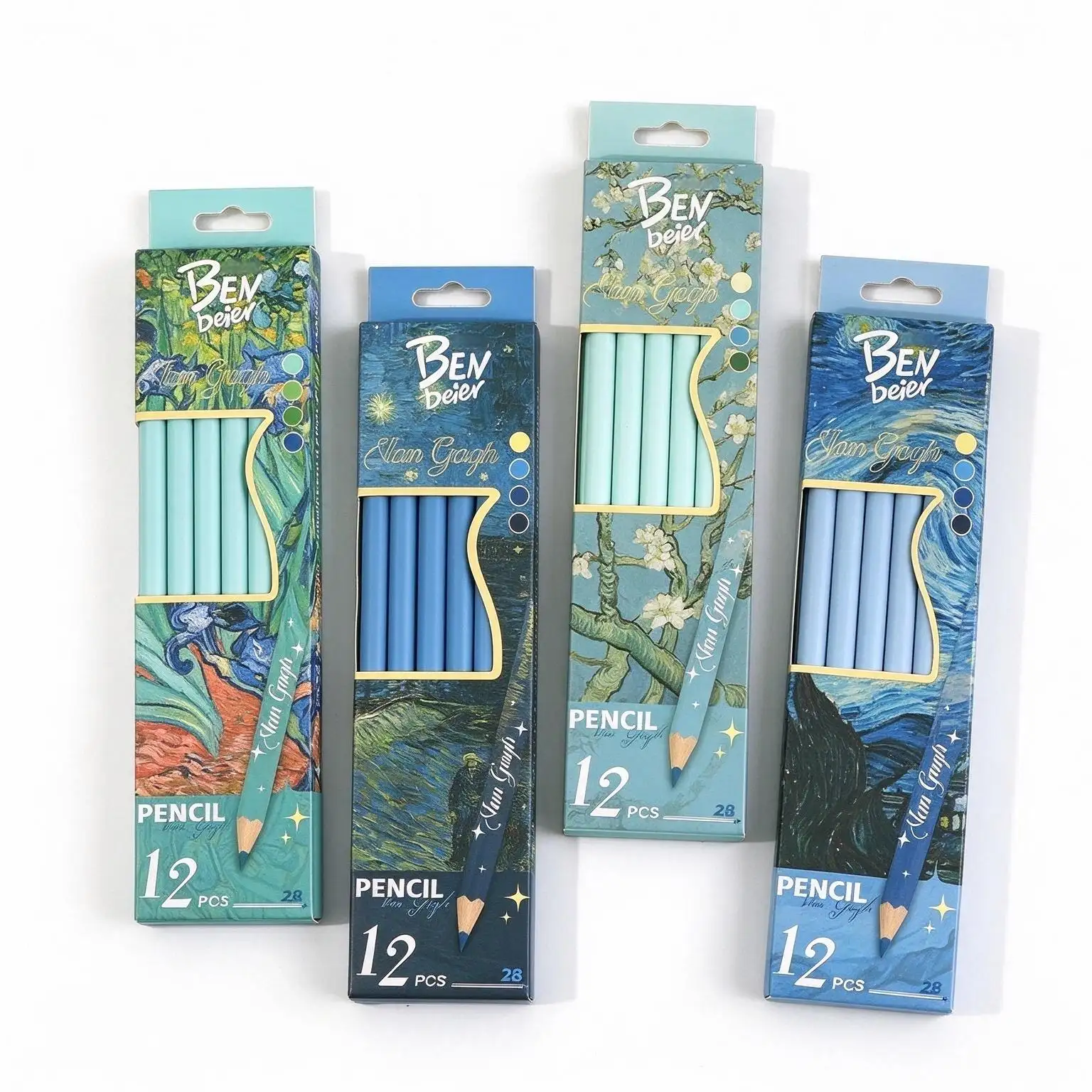
Custom pencils can combine a practical writing tool with a name, message, or identifying mark. They may suit school events, business workshops, club activities, or welcome packs where a plain pencil would already be useful.
Start with the intended purpose rather than the decoration. A school name can help identify shared supplies. A short event message can connect the pencil to an activity. Business contact details may be useful when recipients have a reason to keep them.
Keep the design readable. A pencil offers limited printing space, so a short name or concise message is usually easier to work with than several lines of information. Ask the supplier to confirm what fits and review any available proof before approving production.
Customization also changes how flexible your stock will be. An undated design may remain useful across several events, while a date-specific message can leave you with leftovers that no longer fit the occasion.
Compare custom and plain options using the complete order cost, including any setup or printing charges. Personalization is worthwhile when it serves a genuine purpose, not simply because it is available.
Match the quantity to realistic demand
A bulk order should reflect your expected use, available storage, and ability to fund the purchase comfortably. Ordering far beyond demand ties up money and space, even if the unit price looks attractive.
Start with what you know. Review previous orders, count how many pencils remain, or track usage during a representative period. If you have no history, begin with a manageable quantity and use that first order to learn.
Build your estimate around these questions:
Who needs pencils? Count users, rooms, activity stations, or planned recipients.
How will they be used? Shared supplies and individual take-home items require different quantities.
What is already available? Include usable stock before calculating the shortfall.
What could increase demand? Allow for known events, new groups, or planned projects.
How quickly can you reorder? Let the supplier’s delivery information guide your reserve.
Avoid assuming that every person needs several new pencils at every session. Equally, do not count on recovering all supplies after an event. A sensible estimate reflects your actual distribution habits, with a modest buffer for uncertainty.
Check quality before committing to volume
A large quantity magnifies both good and poor product choices. If you are unfamiliar with a pencil, testing a sample or smaller pack can help you judge whether it meets your needs before placing a larger order.
For wood-cased pencils, try writing, erasing, and sharpening. Notice whether the pencil feels comfortable, produces a suitable line, and sharpens without excessive splintering or repeated breakage. Test it on the kind of paper people will actually use.
For mechanical pencils, check how smoothly the lead advances and whether replacement lead is easy to identify. Consider whether the grip and mechanism feel suitable for the intended users rather than choosing on appearance alone.
Also review the listing carefully. Product photographs may show several colors or variations without making the pack contents obvious. Confirm the quantity, assortment, lead type, and included features before ordering.
If a particular product works well, save its details for future purchases. Even then, check subsequent listings rather than assuming every similarly named pack contains the same item. Consistency is easier to maintain when you know exactly what you previously bought.
Store and distribute pencils without creating waste
Bulk purchasing does not automatically reduce waste. It can help you consolidate supplies, but unnecessary quantities, unsuitable products, or unmanaged distribution can have the opposite effect. The practical aim is to buy what you need and keep it usable.
Store pencils in a dry, organized locati0n where packaging will not be crushed and sharpened points are protected. Label containers clearly if you keep different types, lead grades, or customized versions. Separate reserve stock from pencils already in circulation so it is easy to see what remains.
A few habits can improve day-to-day use:
Open packs gradually. Keep reserve stock together until it is needed.
Rotate older supplies forward. Use existing pencils before opening newer deliveries.
Collect reusable pencils after activities. Check their condition before returning them to shared containers.
Keep maintenance supplies accessible. Sharpeners, compatible refills, and replacement erasers help maintain what you own.
Review leftovers before reordering. Adjust the next purchase if your original estimate was too high.
If packaging reduction matters to you, compare how each supplier packs the order. A larger quantity alone does not establish that an option creates less packaging or has a lower environmental impact.
Make bulk buying work for your routine
The benefits of buying pencils in bulk come from balancing price, usability, and planning. A well-chosen order can keep everyday supplies available while reducing repeat purchasing and making costs easier to compare.
Before you buy, confirm the delivered unit cost, test unfamiliar products where practical, and choose a quantity you can store and use. Whether you need basic classroom pencils, personalized event supplies, or refillable mechanical options, the best purchase is the one that fits your routine—not necessarily the biggest box or the lowest advertised price.
Frequently Asked Questions About Buying Pencils In Bulk
What are the advantages of buying pencils in bulk?
Buying pencils in bulk often leads to lower costs per pencil, ensures consistent supply for classrooms or offices, and reduces the frequency of repeat purchases.
How can I determine the right quantity of pencils to buy?
To estimate the appropriate quantity, consider factors such as the number of users, the intended purpose of the pencils, and historical usage data. Allow for a modest buffer to account for unexpected demand.
Are all bulk pencils of the same quality?
No, not all bulk pencils are created equal. It's essential to review the quality, features, and brand reputation before purchasing. Testing samples may also help determine if a particular pencil meets your needs.
What types of pencils should I consider for specific uses?
Different situations may call for different types of pencils. For example, standard wood-cased pencils are great for everyday use in classrooms, while mechanical pencils are better suited for detailed work or writing that requires consistent sharpness.
Can I customize bulk pencils for promotional purposes?
Yes, many suppliers offer customization options for bulk pencils. You can add names, messages, or logos, making them suitable for events, promotions, or classroom identification. Just ensure that the design serves a functional purpose.