Back To Blog
China wholesale sourcing gives businesses three main routes to suppliers: physical markets, online marketplaces, and sourcing agents.
The right choice depends on your product, order size, customization needs, and ability to manage suppliers—not simply the lowest advertised price.
This article explains where to look, how to compare options, and what to check before committing to bulk inventory.
Which China wholesale sourcing route fits your business?
Use physical markets when you need hands-on product comparison, websites when you want to research suppliers remotely, and agents when you need local coordination.
These routes can work together: shortlist suppliers online, examine samples or visit a market, then commission specific support for inspection or shipping. Choose according to the work you can manage confidently yourself.
|
Route |
Consider it when |
Ask before proceeding |
|---|---|---|
|
Wholesale markets |
You need to compare physical products or materials |
Is the display item available, repeatable, or made to order? |
|
Wholesale websites |
You want a remote supplier shortlist |
Who manufactures the goods, and what evidence supports their capabilities? |
|
Sourcing agents |
You need help with local tasks |
What services, fees, and supplier relationships are disclosed? |
Before searching, write a buying brief covering intended use, materials, dimensions, quantity, packaging, destination market, and required delivery window. Include your target landed cost rather than only a factory-price target. Use the same brief everywhere so quotations answer the same request.
Physical markets: match the destination to the product
Plan wholesale shopping in China around your product category, not a general list of famous cities. Yiwu offers small-commodity sourcing, while Shenzhen's Huaqiangbei specializes in electronics and components.
Research the relevant market sections before traveling, then arrange supplier meetings around a focused shortlist.
Yiwu for small commodities
Yiwu International Trade Market is a starting point for buyers researching small commodities. Yiwugo provides a market guide and map that can help connect online preparation with an on-site visit. Use these tools to identify relevant sections rather than arriving without a route.
At each booth, record the supplier's name, locati0n, product reference, quotation, and sample details together. Ask whether the quoted minimum applies to each design, color, carton, or total order. Also request separate terms for stocked goods and repeat production; do not assume the sample on display defines your eventual order.
Huaqiangbei for electronics and components
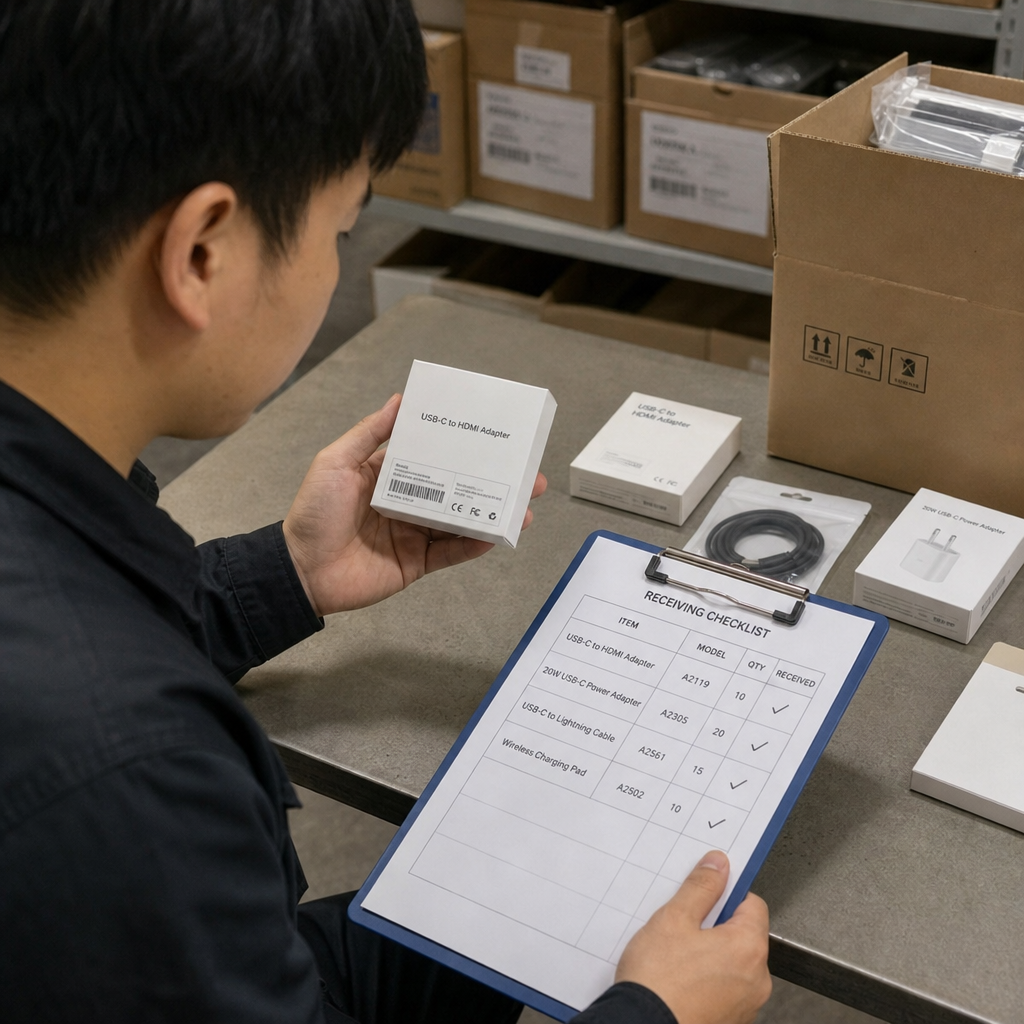
Huaqiangbei in Shenzhen brings together specialized electronics markets offering components and consumer devices. It is a relevant research destination for electronics buyers, but a market visit should complement—not replace—technical checks. Match each proposed item to a written specification before discussing volume.
For a device, request exact model details, supported functions, accessories, and testing documentation. For components, specify the manufacturer, part number, condition, packaging, and traceability evidence you require. Avoid accepting “equivalent” substitutions without approval.
Trade fairs offer another discovery route. The Canton Fair's official directory organizes exhibitors and products into categories, making it useful for building a meeting shortlist. Check the relevant exhibition information before booking travel.
Wholesale websites: compare their tools, not just listings
Consider online marketplaces a starting point for supplier discovery, not a substitute for evaluating an individual business. Compare verification information, ordering processes, and protection terms alongside product listings. Four platforms worth evaluating are Alibaba.com, Made-in-China.com, Global Sources, and 1688.
Alibaba.com: Its sourcing process includes supplier communication, online orders, and eligible Trade Assurance transactions. Protection depends on applicable terms and the order record, so specify measurable requirements and use the designated payment process. Do not assume an off-platform payment carries the same protection.
Made-in-China.com: Its Audited Supplier program provides third-party audit reports covering areas such as company information, manufacturing, and quality-control capabilities. Read the underlying report rather than stopping at the badge. Check whether the documented facilities and processes fit your proposed product.
Global Sources: Its verification system distinguishes verified business-registration details from manufacturing-related credentials. Those distinctions help you frame follow-up questions, but they do not describe every requirement of your order. Ask the supplier to explain which processes it performs and which it outsources.
1688: Alibaba Group describes 1688 as a domestic wholesale marketplace. Before using it for an overseas purchase, confirm how communication, payment, export documentation, and international delivery will be handled. Compare the complete arrangement rather than treating a domestic listing price as your delivered cost.
Save dated quotations and product specifications outside your shortlist spreadsheet. When a supplier changes a material, quantity, or shipping assumption, request an updated quotation. That keeps an attractive headline price from being compared with a substantially different offer.
When should you use a sourcing agent?
Use a sourcing agent when you need clearly defined local work that you cannot manage effectively yourself, such as supplier follow-up or logistics coordination. Do not assume every agent offers technical evaluation, inspection, and export support to the same standard. The China-Britain Business Council notes that agent capabilities vary and that buyers retain technical and commercial risk. (cbbc.org)
Ask prospective agents to quote against a written scope:
Supplier identification: Require selection criteria, company details, and an explanation of why each candidate fits.
Commercial work: Specify who requests quotations, negotiates terms, and confirms changes.
Quality checks: Define whether the service means photographs, quantity checks, inspection, or arranging laboratory testing.
Logistics: Identify responsibility for collection, consolidation, documentation, and freight booking.
Fees and relationships: Request disclosure of commissions, markups, supplier payments, and reimbursable expenses.
Keep purchasing authority explicit. Require approval before substitutions, additional spending, or a supplier change, and clarify who holds samples, tooling, and production files. If independent inspection matters to you, appoint the inspector separately and document access requirements in the purchase agreement.
Verify China wholesale suppliers before negotiating volume
Due diligence should establish who you are buying from and whether that business can fulfill your requirements. Canada's Trade Commissioner Service recommends checking potential suppliers, their operating scale, and their suitability for your sourcing needs. Start this work before a low quotation becomes the reason to overlook unanswered questions.
Use a verification checklist to keep discussions specific:
Confirm business identity. Request the registered company name, business-license details, address, and proposed contracting entity. Investigate unexplained differences across documents.
Clarify the business model. Ask whether the seller manufactures, trades, or combines both, and which production steps are subcontracted.
Review capability evidence. Request relevant audit information, production-process details, and examples matching your product requirements.
Verify claimed documents. Check certificate numbers, holders, dates, and product scope with the issuing organization where possible. SGS, for example, provides document and supplier-verification resources.
Test order-specific performance. Evaluate a sample against your specification and define how production will be checked before shipment.
Treat a good sample as a reference to approve, not permission to leave later details unwritten. Record materials, dimensions, finish, labeling, packaging, and acceptable tolerances. Photograph the approved sample and give it an identifying reference in the order.
One practical China sourcing tip is to compare how suppliers handle clarification. Ask each candidate the same technical questions and request written answers. Prefer a clear acknowledgment of limitations over an unsupported promise to meet every requirement.
Material markets require a more detailed specification
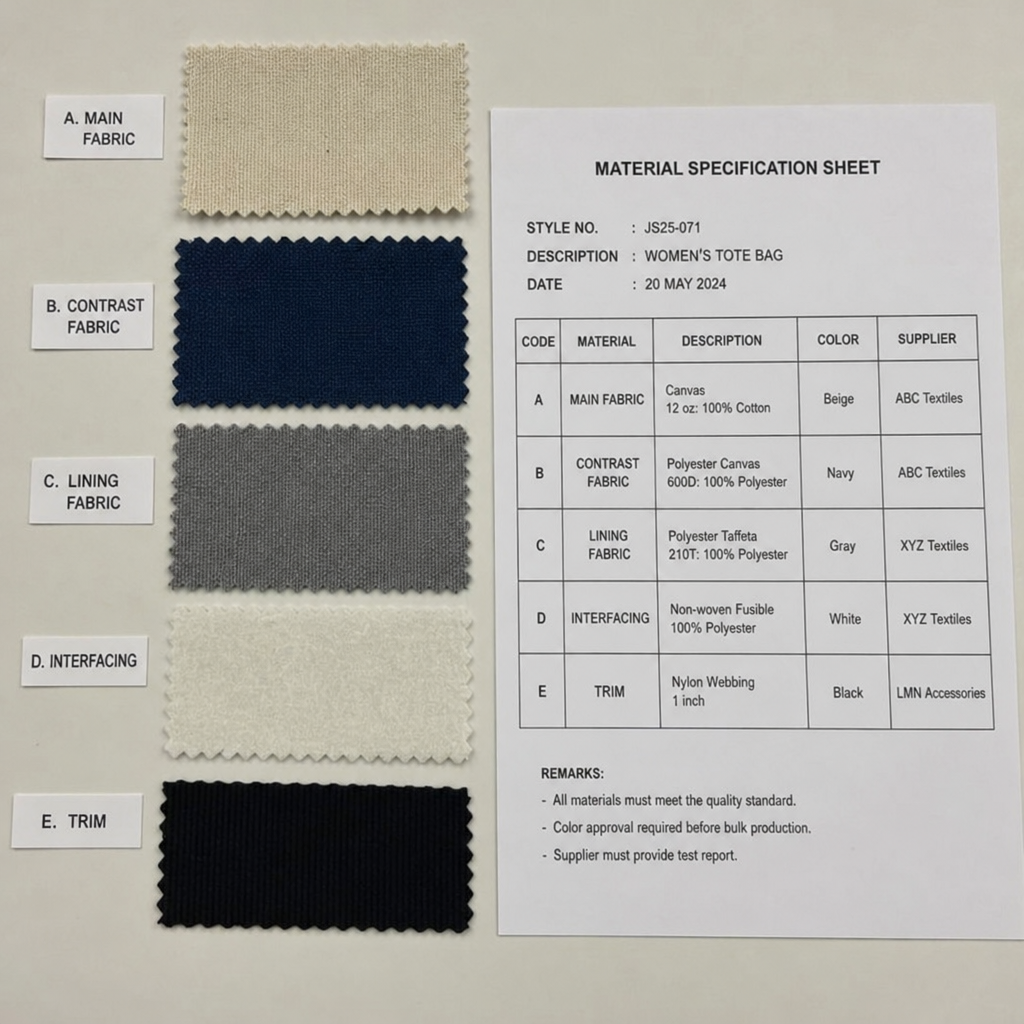
For material-market wholesale sourcing in China, begin with the properties the finished product needs. Instead of requesting “premium fabric” or “strong plastic,” provide measurable requirements and an approved reference. Make substitutions subject to written approval, including changes that appear visually similar.
For a textile purchase, your request could specify composition, weight, usable width, color reference, finish, and relevant performance tests. For hardware or sheet materials, identify grade, dimensions, thickness, finish, and tolerance. Ask the supplier to state the unit of sale and how usable quantities will be measured.
Keep sample approval and bulk acceptance separate. Request a production-representative sample where appropriate, identify the batch or lot on delivery records, and retain a reference for repeat orders. These instructions give the supplier and inspector a shared basis for evaluating what arrives.
How do you calculate the real cost of China bulk buying?
Calculate China bulk buying costs by adding the expenses required to turn a supplier's quotation into usable inventory at your destination. Include product costs, packaging, testing, inspection, local handling, freight, insurance, customs-related charges, and final delivery as applicable.
Ask your logistics provider and customs broker to identify which costs are included, excluded, or still estimates.
Use a working calculation:
Estimated landed cost per sellable unit = total estimated acquisition and delivery costs ÷ expected sellable units.
Keep the assumptions visible. Compare quotations using the same quantity, specifications, packaging, destination, and delivery responsibilities. Request carton dimensions and shipment weight so freight estimates are based on the proposed order rather than a product photograph.
For U.S. imports, CBP emphasizes that importers must meet applicable requirements, including those of other agencies. Confirm classification, duties, restrictions, testing, and labeling requirements for your specific goods before placing an order; do not rely solely on a supplier's assurance that an item is suitable for the United States.
Avoid buying extra inventory solely to unlock a lower unit price. Compare the proposed saving with your storage budget, sales forecast, and cash available for replenishment. Ask for price breaks at several quantities, then choose an order size you can support without depending on optimistic sales.
Turn the shortlist into a controlled first order
Before ordering wholesale products from China, use a staged purchasing process. Set clear decision points so an unresolved sample issue, missing document, or changed specification pauses the order rather than being carried into production. Assign someone on your team to approve each stage.
- Send one specification pack. Include drawings or reference images, quantities, packaging requirements, destination, and requested milestones. Ask suppliers to flag deviations explicitly.
- Compare complete offers. Record minimum quantities, sample costs, tooling, lead times, payment terms, and delivery responsibilities in one table. Separate confirmed figures from estimates.
- Approve samples in writing. Identify the approved version and list corrections still required. Do not leave acceptance dependent on a chat message saying “looks fine.”
- Document the purchase. Put specifications, quantities, dates, inspection requirements, and agreed remedies into the appropriate order or contract. For eligible Alibaba.com orders, keep protection requirements within the platform's process.
- Review before scaling. Compare the delivered goods, paperwork, actual costs, and communication with your original requirements. Resolve discrepancies before increasing the next order.
Choose a repeatable process, not just a cheap product
Markets, websites, and agents each deserve a defined role in your sourcing plan. Start with a product brief, compare complete offers, verify the supplier, and make acceptance criteria explicit. Your next step is not a large payment: it is a shortlist and a controlled sample order that helps you decide whether the supplier merits a longer relationship.
Frequently Asked Questions About China Wholesale: Markets, Websites and Agents
What are the main avenues for sourcing wholesale products in China?
The main avenues include physical markets, online marketplaces, and sourcing agents. Each has unique advantages depending on your product needs, order size, and management capabilities.
How can I ensure the quality of products sourced from China?
It's essential to conduct due diligence on potential suppliers. This includes verifying business identity, reviewing production capabilities, and requesting samples for quality assessment before placing large orders.
What factors should I consider when using a sourcing agent?
Consider their expertise in local logistics, ability to conduct quality checks, and transparency regarding fees and relationships with suppliers. Define your needs clearly to ensure the agent can meet them.
How do I calculate the total cost of buying products in bulk from China?
Total costs include product pricing, packaging, testing, inspection, logistics, customs fees, and delivery charges. It's important to add all potential costs to get the estimated landed cost per unit.
What should I include in a buying brief for sourcing products from China?
A buying brief should cover intended use, materials, dimensions, quantity, packaging requirements, destination market, delivery timeline, and a target landed cost, to ensure suppliers provide accurate quotations.