Back To Blog
 Squishy Toys Explained: What Types of Squishy Toys Are There Around the World?
If you search for Squishy Toys, you will notice something interesting: products that are all called “Squishy” can actually have completely different textures, materials, structures, and ways of being sold.
Some products are classic slow-rise foam squishies, some feel more like soft and stretchy mochi, some emphasize transparent and glittery effects, while others incorporate fillings, blind-box packaging, or even DIY creation.
Therefore, understanding Squishy Toys is not simply about counting “how many different shapes there are,” but about understanding what different product experiences they actually offer.
1. Slow-Rise Squishies: The Classic Slow-Rise Type
Slow-rise is one of the easiest types of Squishy for consumers to understand.
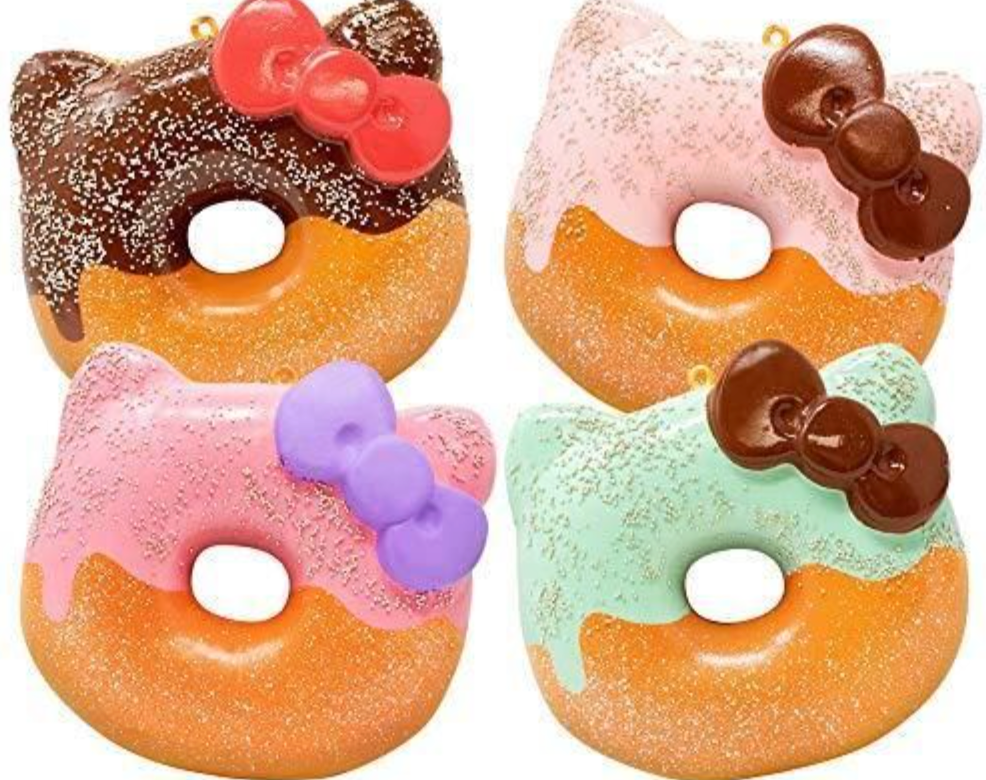
These products usually do not return to their original shape immediately after being squeezed, but slowly recover over several seconds. Bread, cake, donuts, and animal shapes are all common designs.
The market even has products that specifically emphasize being “slow rise.” For example, the Hamee Sanrio Hello Kitty Mochi Donut Squishy currently sold by Target is directly marketed as a slow-rising soft relief stress fidget toy. Consumer reviews also directly discuss whether the product is slow-rise enough, showing that recovery speed itself has become an important part of how consumers judge the product experience.
However, there is also an important point for buyers to note: a product title that says “slow-rise” does not necessarily mean that the actual experience will be the same.Other Squishy products on the same retail platform have consumers pointing out that some products are actually closer to Jelly/Mochi rather than traditional slow-rise products.
That's why you cannot rely only on the product name when sourcing. Actual sample testing is still important.
2. Mochi Squishies: A Softer and More Elastic Route
Mochi Squishy is now a very common type in markets.
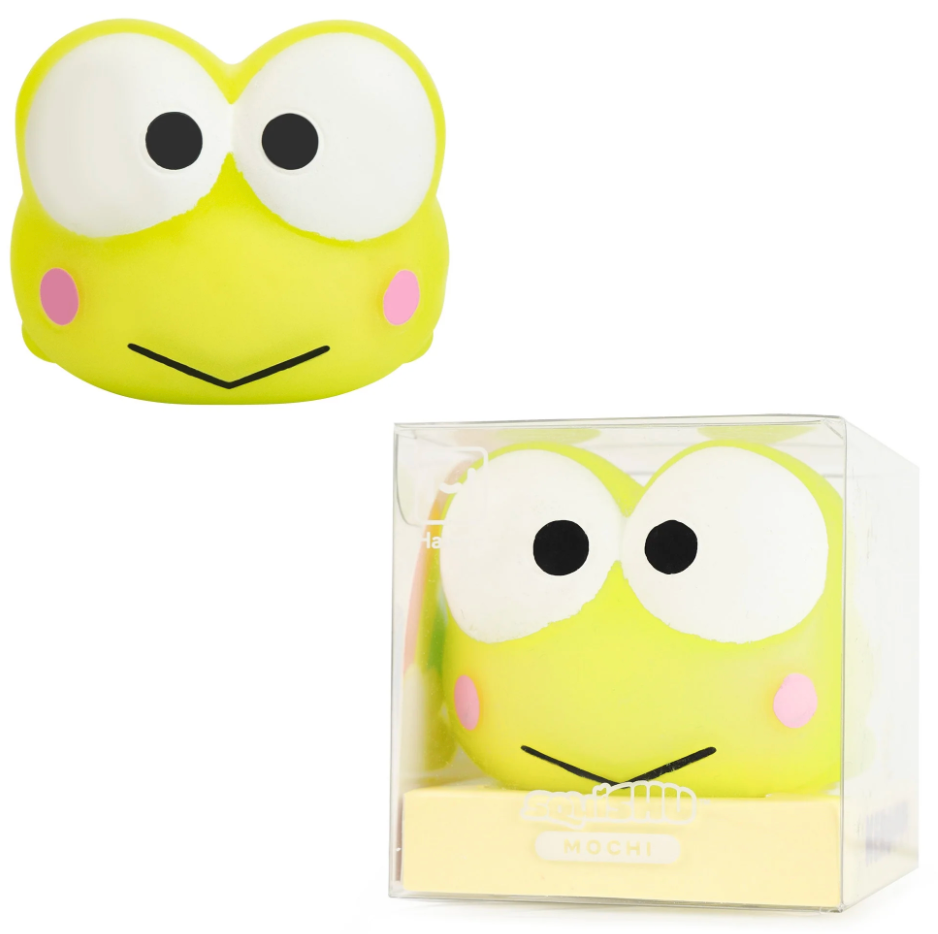
Compared with traditional slow-rise foam, these products usually emphasize softness, elasticity, and a gummy-like texture. The Keroppi Mochi SquiSHU currently sold by Sanrio is a direct example: the official description says it has soft filling and a stretchy gummy outer layer, and it comes in a clear display box, with a retail price of $12.99.
It is worth noting that “Mochi” is not a strict material name. Different suppliers may use different materials to achieve a similar soft and stretchy texture, so it is not accurate to simply assume that Mochi equals one specific material.
This is also where sourcing mistakes can easily happen: consumers are buying the texture, while suppliers usually discuss the material when quoting prices.The two need to be understood separately.
3. Crystal & Transparent Squishies: From Texture to Visual Experience
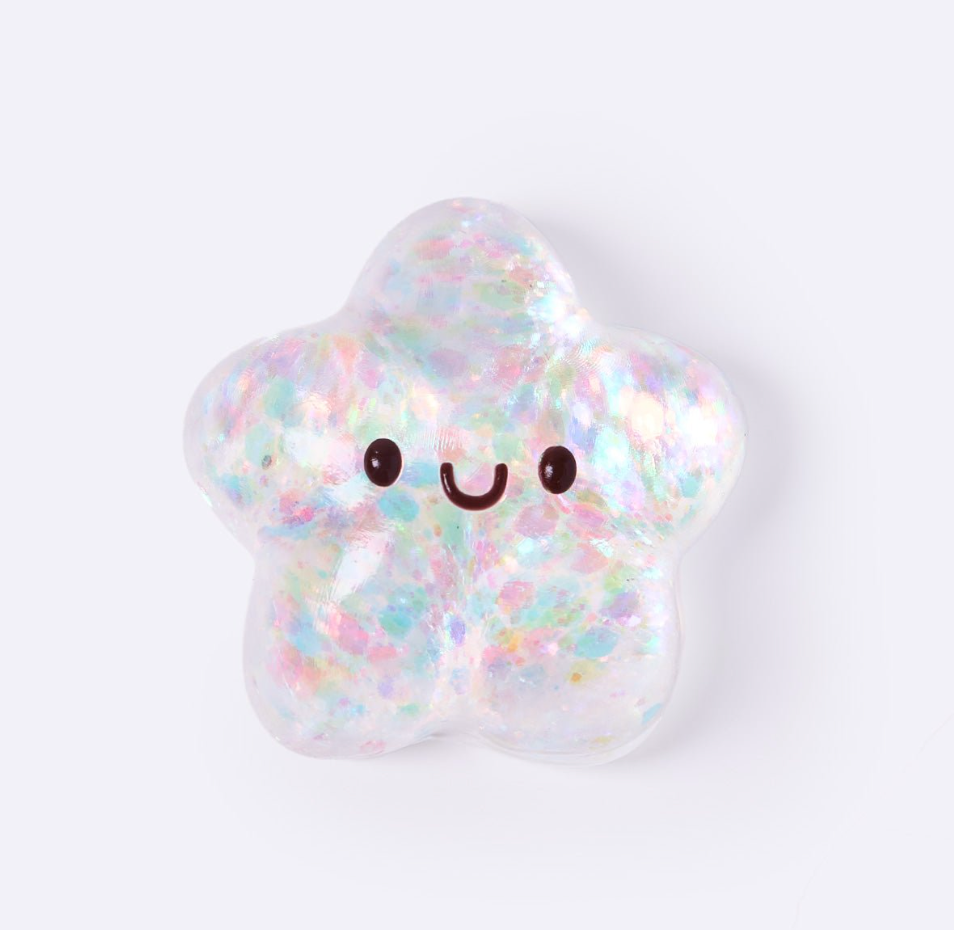
Some Squishies are no longer satisfied with simply being soft.
Transparent, translucent, glittery, and crystal-like designs allow the products to create a strong visual appeal even before they are squeezed.
For example, TABASQUISHY currently offers its Blingbling Crystal Series, including transparent colors, crystal-cut designs, and glitter effects. Its Blue Crystal Taba Squishy is listed at $15.99, while the Blingbling Star Taba Squishy is listed at $9.99.
What is worth paying attention to here is not a specific shape, but a change in product design logic:
Squishies are no longer relying only on a pleasant squeezing experience for appeal. They are also beginning to use transparency, shine, and visual effects to create differentiation.
For physical retail, this means transparent, glittery, or specially finished products may depend more heavily on merchandising and display. For social media content, they also naturally provide more visual elements to showcase.
4. Filled Squishies: Internal Structure Changes the Squeezing Experience
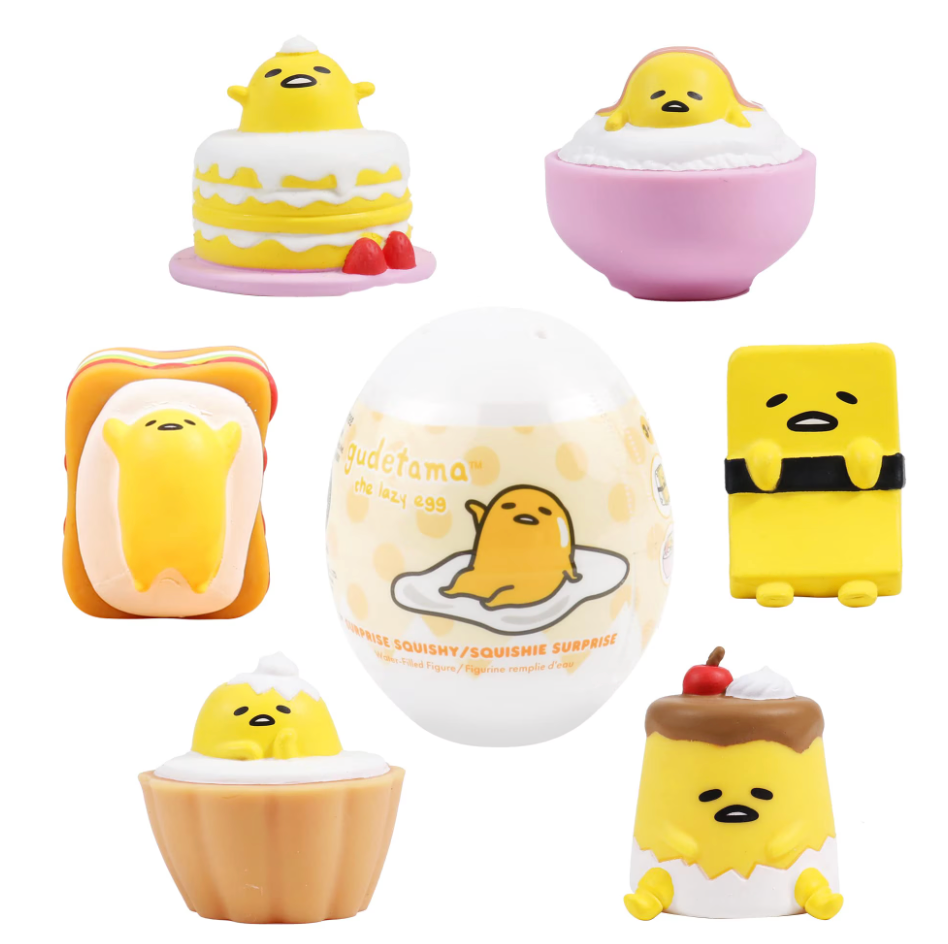
Another clearly different route is Squishy products with liquid, gel,sand,or other fillings inside.
The feature of these products is not simply that the material itself slowly returns to its original shape. Instead, consumers can feel movement, flow, or other changes inside when squeezing them.
The Gudetama SquiSHU Capsule Series 2 currently sold by Sanrio is a direct example. According to the official description, the series uses water-filled squishies and includes 5 different designs in mystery capsules, with a retail price starting at $11.99.
This shows that “filled” products can already be combined with characters, blind-box formats, and collectibles, rather than simply changing the texture.
However, this is also a category that requires greater caution when sourcing. Especially when specific filling materials are involved, retailers should check the applicable safety and compliance requirements in the destination market rather than judging whether a product is suitable for import based only on terms such as “water-filled” or “gel-filled.”
5. Jumbo Squishies: Size Itself Becomes a Product Feature
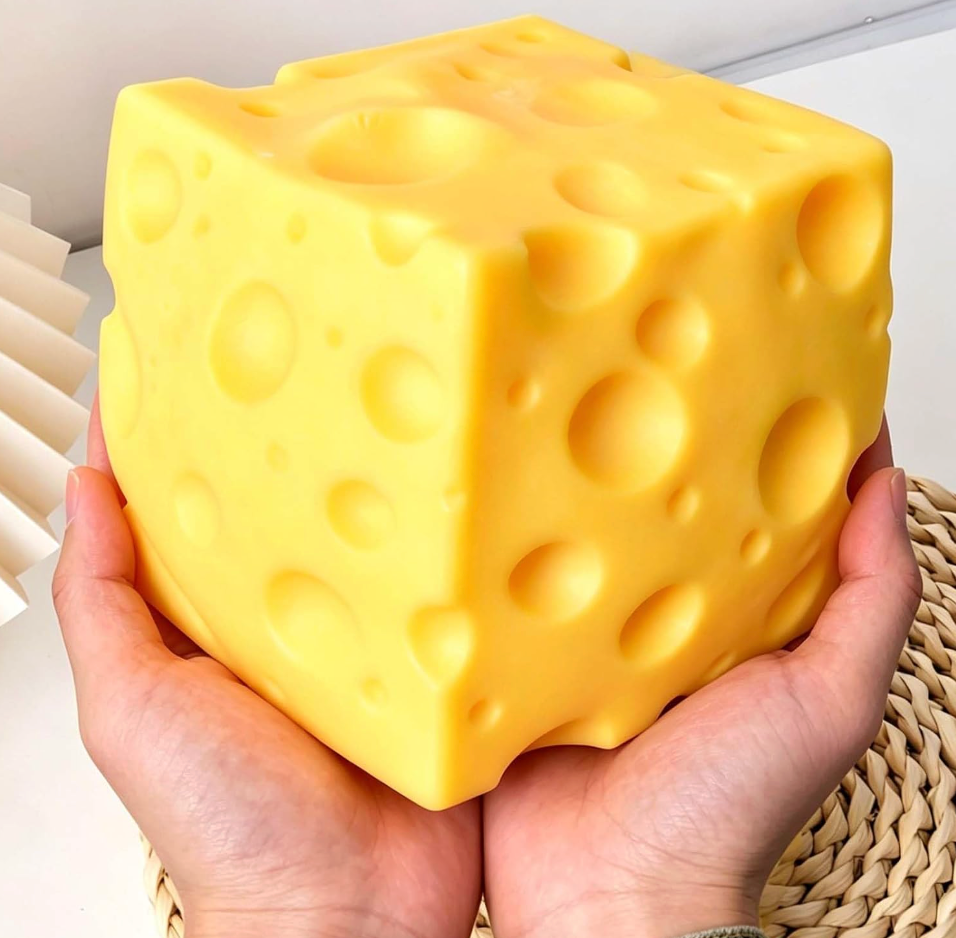
A very distinct “Jumbo” product line has now emerged on the market. These products typically weigh between 300g and 800g or more each, measure 4–6 inches in size, and some large items are even close to 6 inches long. As the size increases, the amount of material used rises significantly, and the corresponding tactile characteristics change as well—the rebound is slower, and squeezing provides a deeper, more substantial feedback, an experience that standard-sized toys simply cannot offer.
In terms of pricing, there is now a significant gap between oversized products and standard small squishies: high-end oversized models can cost between $50 and $60, while even entry-level large-sized models are priced around $35. This means these products have moved beyond the category of traditional “low-cost small toys”; they are no longer impulse-buy items that cost just a few dollars, but rather fall closer to product lines intended as gifts, decorative displays, or collectibles.
6. DIY Squishies: From “Buying a Product” to “Making a Product”
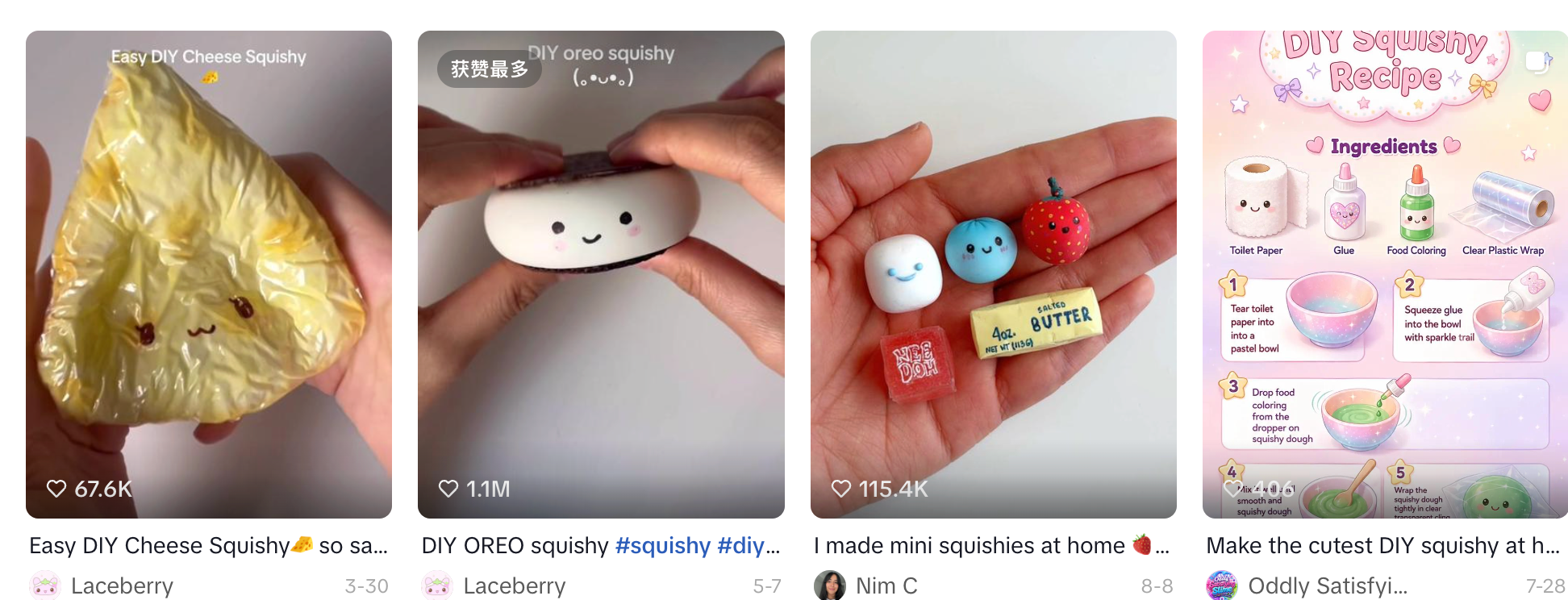
Another trend in the squishy market is that consumers are now getting involved in the actual production of the products.
Complete DIY product lines have already appeared on the market, featuring a variety of DIY kits in shapes such as dumplings, butter, and cheese, along with complementary supplies like paint, glitter, and glue.For example, some DIY kits are priced at around $55.99, while others start at $59.99. Consumers must complete steps such as mixing, pouring into molds, and unmolding on their own to ultimately create their very own squishy.
The biggest difference from traditional squishies is that:
The product itself is no longer the end of the experience; the creation process has become an integral part of the product’s value.
For retailers, these products are closer to “activity kits” (craft kits) than ordinary “impulse toys” (small toys bought on a whim); therefore, they should be clearly distinguished from low-priced, small squishies in terms of product positioning, packaging, and pricing.
7. Collectible Squishies: Beyond Shapes, Series-Based Play Is Emerging
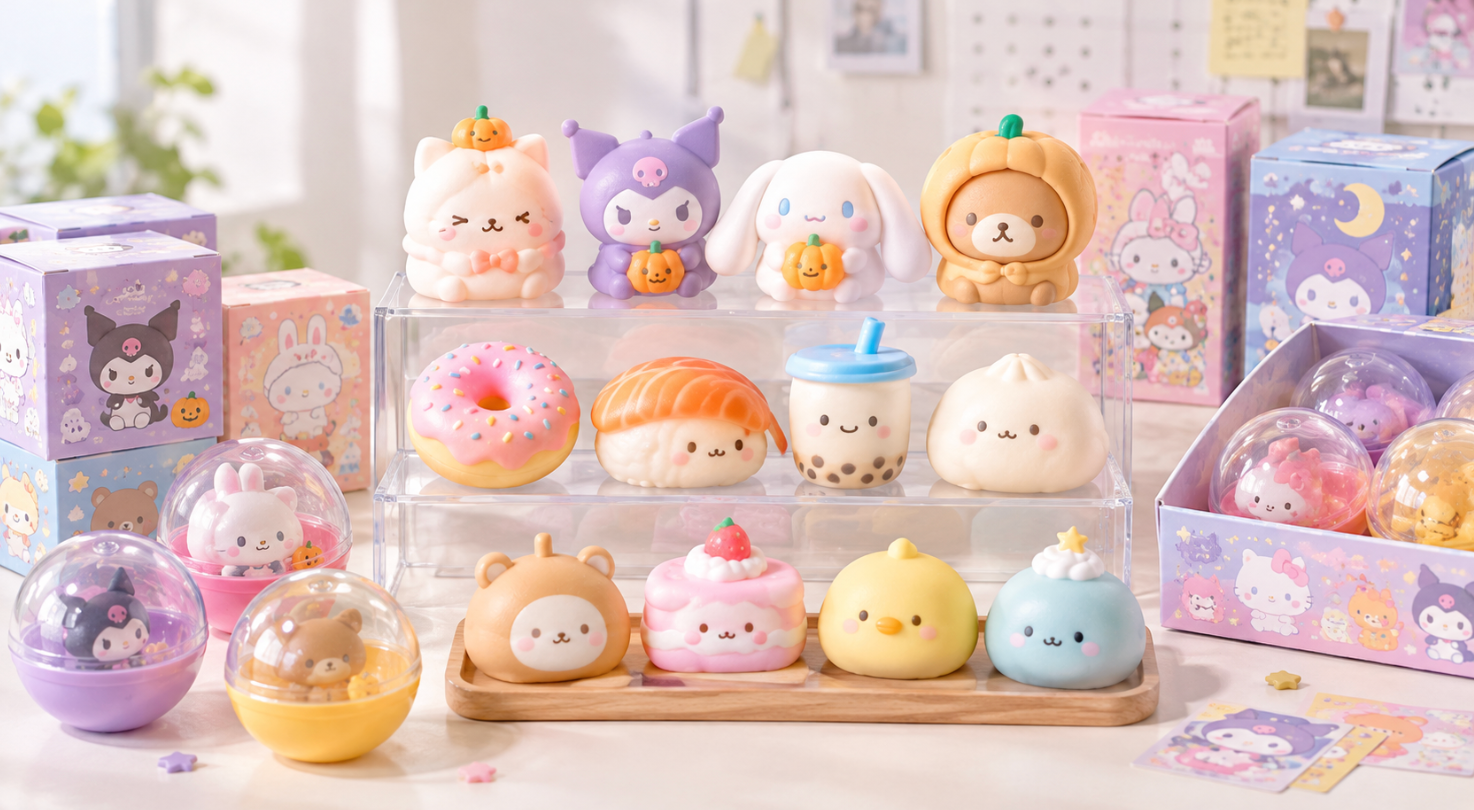
When these products are viewed together, another clear direction becomes visible: Squishies are moving from individual products to product series.
Sanrio’s current product range already includes multiple Squishy series:
- • Actual material and product structure
- • Recovery speed and squeezing feel
- • Odor and surface condition
- • Changes after prolonged squeezing
- • The specific filling material
- • Packaging and transportation requirements
- • Safety testing and labeling requirements for the target market
For example, the Halloween SquiSHU Capsule Series 8 is listed at $12.99 and includes multiple Sanrio character designs with a Halloween theme, while the Gudetama SquiSHU Capsule Series 2 uses five random designs.
This shows that Squishies can now serve several functions at the same time:
Toy + fidget + gift + collectible.For you look at why squishy toys continue to attract consumers and how retailers can approach the category, see our guide to [Why Squishy Toys Are Still Booming in 2026].
Licensed characters, themed packaging, and mystery formats can further increase the potential for repeat purchases and series-based sales.Squishies also overlap with the broader fidget toy category, where tactile experience and sensory interaction play a central role. For more on this category, see [Why Are Fidget Toys So Popular?].
8. How Should Retailers Understand Squishy Different Types?
Looking at these products together, the Squishy market can be broadly understood through several different directions:
- • Slow-rise → focuses on recovery experience
- • Mochi/Jelly → focuses on softness and elasticity
- • Crystal/Transparent → focuses on visual effects
- • Filled → focuses on internal texture
- • Jumbo → focuses on size and presence
- • DIY → focuses on participation and creation
- • Collectible → focuses on series and repeat purchases
Therefore, when choosing Squishies, instead of simply looking for “the most popular shape,” it is better to first determine what kind of product experience you need.
For impulse retail, small and easy-to-understand products may be easier to fit into low-price purchase scenarios. For gift shops or boutiques, distinctive shapes, characters, and series-based packaging may offer stronger gifting appeal. Jumbo and DIY products, meanwhile, require consideration of higher prices, display space, and how much consumers are willing to pay for additional experiences.If you wanna more specific guide,you can see [How Boutique Stores Source Wholesale Gifts from China] covers practical approaches to product selection, supplier screening, sampling, and small-batch purchasing.
9. Sourcing Squishy Toys: Samples Matter More Than Pictures
Squishies are a product category that relies heavily on actual tactile experience.
Even when products are described as “slow-rise,” “mochi,” or “soft squishy,” their softness, recovery speed, surface feel, and durability can still vary.
Therefore, when sourcing, retailers should at least confirm:
- • Actual material and product structure
- • Recovery speed and squeezing feel
- • Odor and surface condition
- • Changes after prolonged squeezing
- • The specific filling material
- • Packaging and transportation requirements
- • Safety testing and labeling requirements for the target market
Squishy product formats are becoming increasingly diverse, but what retailers should really pay attention to is not “which animal will be popular next,” but what kind of texture, visual experience, and interaction consumers are actually buying.
This is also a more useful direction to consider when understanding the Squishy product market and making the next round of product selections.
Here are some related articles you may find interesting: