Back To Blog
 Terra Cotta Pumpkins: What Retailers Should Know Before Sourcing
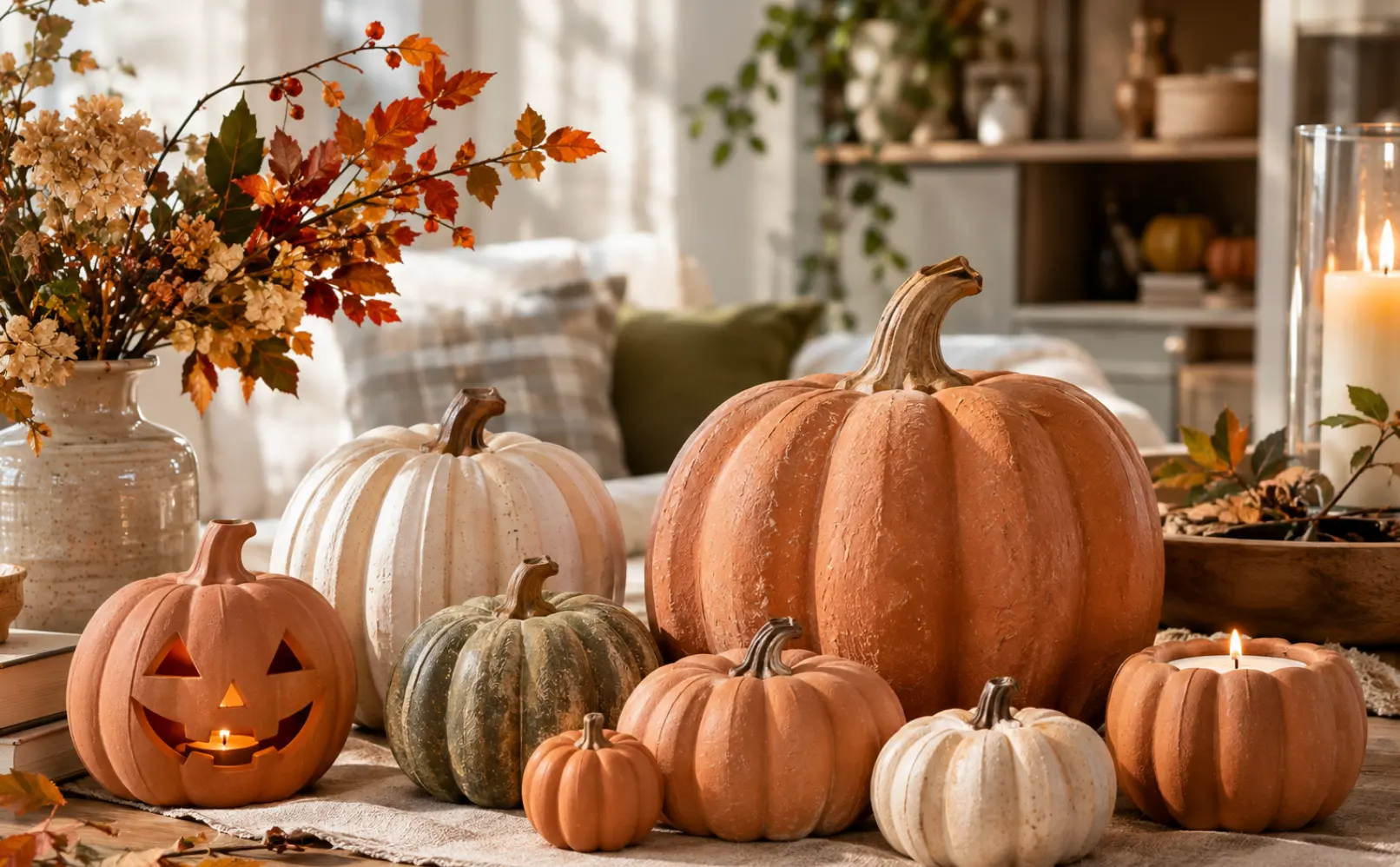
Pumpkins have long been a staple of fall décor, but the way retailers use them has changed. Instead of relying only on traditional orange pumpkins or Halloween-specific designs, today's fall assortments span a much wider range of materials, colors, and decorating styles. For example, pumpkin décor currently includes terracotta, ceramic, woven, glass, metal, and faux-realistic designs, with products ranging from low-priced small accents to larger statement pieces.
Within this broader market, terra cotta pumpkins occupy an interesting position. They retain the familiar shape of a pumpkin while bringing in a warmer, more natural material aesthetic. That makes them relevant to both Halloween and general fall décor, depending on the design.
For retailers, however, the question is not simply whether terra cotta pumpkins are “trending.” The more useful question is whether they can add something meaningful to an existing seasonal assortment — and whether that added value justifies the sourcing and logistics involved.
1.Why Terra Cotta Pumpkins Are Worth Watching
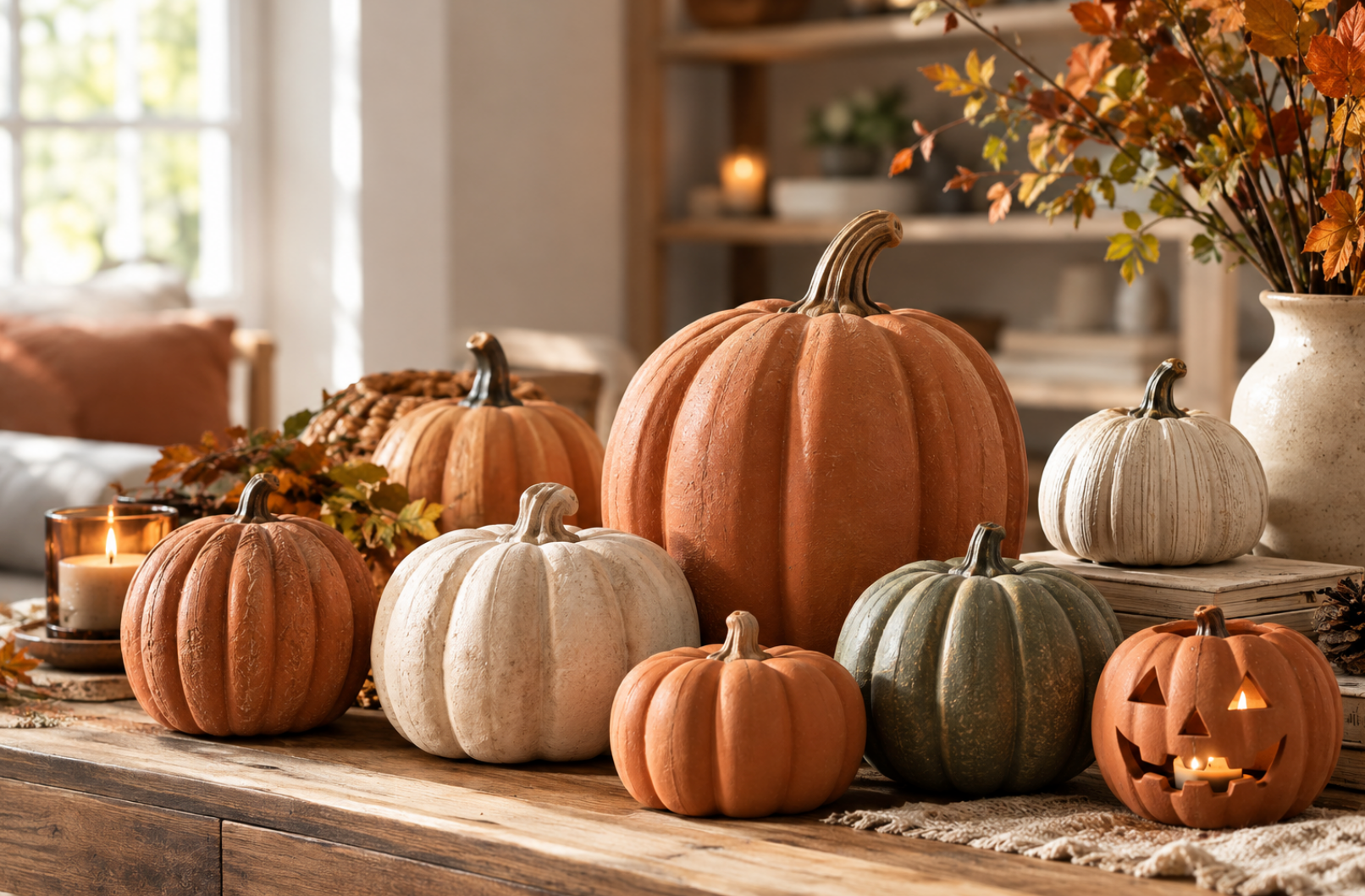
Looking at products currently available on the market, the same pumpkin shape can serve very different consumer occasions and retail positioning depending on the material. For example, Target currently offers both small terra cotta pumpkins and larger styles featuring textured finishes and Jack-o'-lantern elements. Something Different Wholesale, meanwhile, offers pumpkins in sizes ranging from 9 cm to 30 cm, along with different formats such as candle holders, decorative ornaments, and hollow pumpkins.
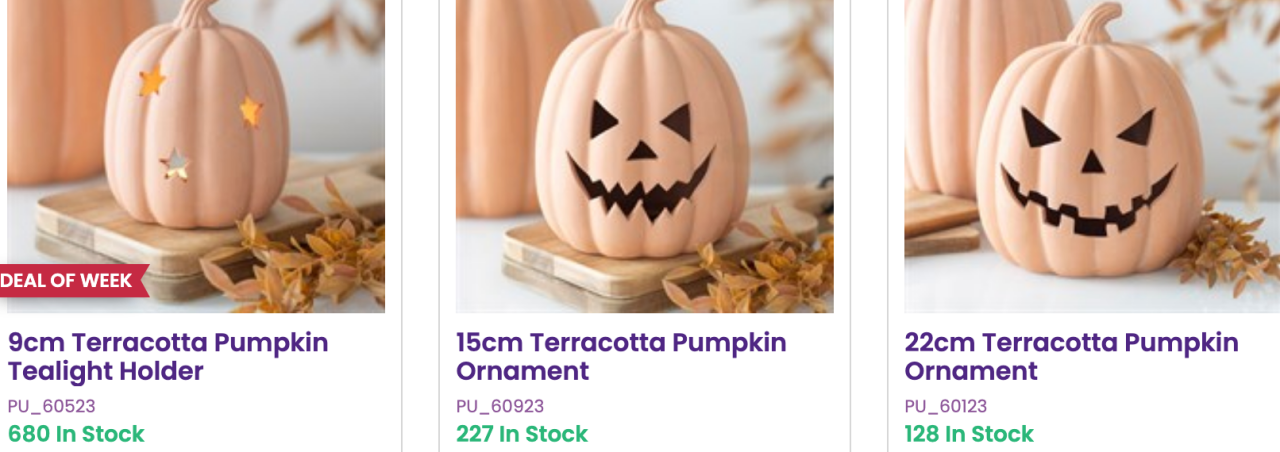
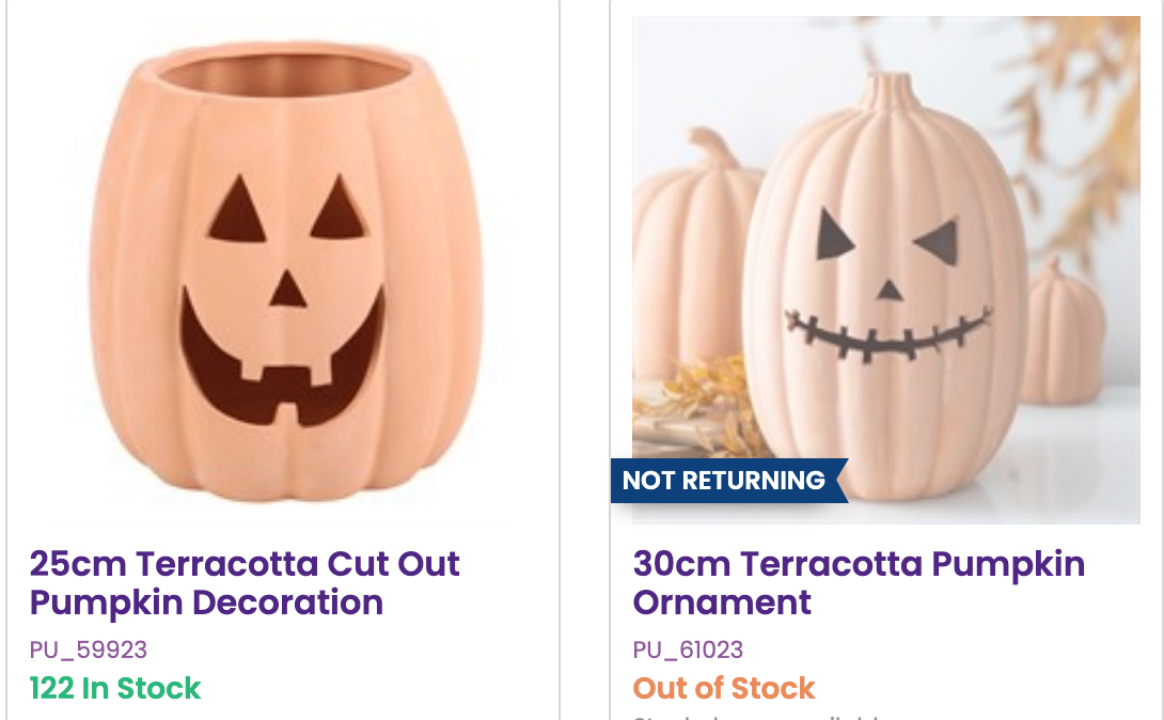
This shows that terra cotta pumpkins are not simply an alternative material. They can take on different roles within the broader fall décor category.
Smaller products can serve as seasonal accents, while larger pieces are better suited as visual focal points on tables, mantels, or retail displays. For retailers, their real value lies in adding another aesthetic direction to the established pumpkin category, rather than replacing existing pumpkin products.
2. A Longer Autumn Selling Window Is Part of the Appeal
For seasonal products, the length of the selling window is an important factor in purchasing decisions.
If a pumpkin decoration is designed mainly for Halloween, its selling period can be relatively short. But pumpkins with more neutral colors and simpler designs can stay relevant from early fall through Thanksgiving and the wider autumn home décor season.
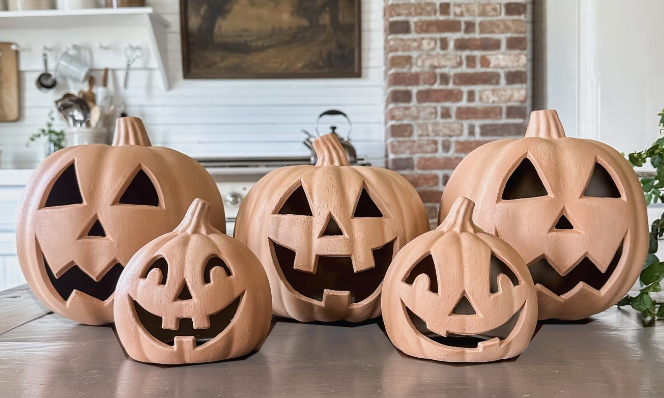
Something Different Wholesale’s 2026 autumn décor content also shows this approach. Instead of focusing entirely on Halloween, retailers can build an Autumn-themed display first, then gradually introduce more Halloween elements as October approaches.
Early Fall
↓
Autumn Décor
↓
Halloween
↓
Thanksgiving & Late Fall
This is particularly relevant for Terra Cotta pumpkins.
A simple terra cotta pumpkin does not have to be seen only as a Halloween decoration. It can also work as part of autumn home décor, from tabletop displays to shelves, mantels, and entryways.
For retailers, this means the same product can potentially fit into a longer seasonal selling period rather than being tied to a short holiday window.
3.What Makes Terra Cotta Different From Other Pumpkin Materials?
For pumpkin décor, material directly affects a product’s appearance, feel, and overall retail positioning.
Compared with plastic, fabric, or glass, genuine terra cotta usually has a more matte, natural, and substantial look. It also fits more easily into farmhouse, rustic, and nature-inspired home décor styles.
However, there is one important point for buyers to keep in mind:
“Terra cotta” does not always mean the same thing.
The market includes genuine terra cotta products, ceramic pieces with a terra cotta finish, resin products designed to imitate terra cotta, and even products that simply use a terracotta color. They may look similar at first glance, but their weight, cost, packaging requirements, shipping risks, and perceived value can be quite different.
For retailers, material, size, and target retail price should therefore be evaluated together, rather than considered separately.
4. How Can Retailers Build a Terra Cotta Pumpkin Assortment?
Sourcing Terra Cotta pumpkins does not mean stocking a large number of different styles at once. What matters more is giving products in different sizes and designs a clear role within the overall display, creating a more layered assortment.
| Small | Medium | Large |
|---|---|---|
| Affordable seasonal items | Core SKUs | Statement pieces |
| Checkout / shelves | Tables / shelves | Visual focal point |
| Impulse purchase | Main assortment | Higher logistics burden |
- Small pumpkins work well as affordable seasonal items. They can be placed on shelves, at checkout, or in other high-traffic areas where impulse purchases are more likely. Their compact size also makes them suitable for multi-item or mix-and-match purchases.
- Medium-sized pumpkins can usually serve as the core SKUs in the assortment. They offer enough visual presence without being too large or expensive for consumers, making them suitable for tabletops, fireplace mantels, or seasonal shelf displays.
- Larger pumpkins are more of a statement piece, helping create a visual focal point in an autumn display. However, retailers need to consider more than just their display appeal. Storage space, packaging volume, shipping costs, and the risk of damage should all be taken into account when sourcing larger pieces.
Beyond size, color, texture, and surface finishes can also add variety to the assortment. But more SKUs do not necessarily mean a better product mix. Instead of filling the assortment with too many similar pumpkin styles, retailers can create a more cohesive collection through carefully selected variations in size, shape, and finish.
A well-designed Terra Cotta pumpkin assortment is not about having the most styles, but about giving each SKU a clear role in the display and sales mix.
5. Don’t Treat Terra Cotta Pumpkins as a Standalone Category
Terra Cotta pumpkins often have the most impact when they are not displayed on their own, but incorporated into a broader fall décor assortment.
Today’s fall décor market is already built around a mix of materials and styles. Rather than treating Terra Cotta as a standalone category, retailers can use it as a way to add material and textural depth to a seasonal display.
For example, Terra Cotta pumpkins can be paired with woven pumpkins to create a more natural and warm autumn feel. They can also be displayed alongside glass and ceramic pieces to create contrast between different materials. Adding candles, dried flowers, or faux greenery can further build a cohesive seasonal setting.
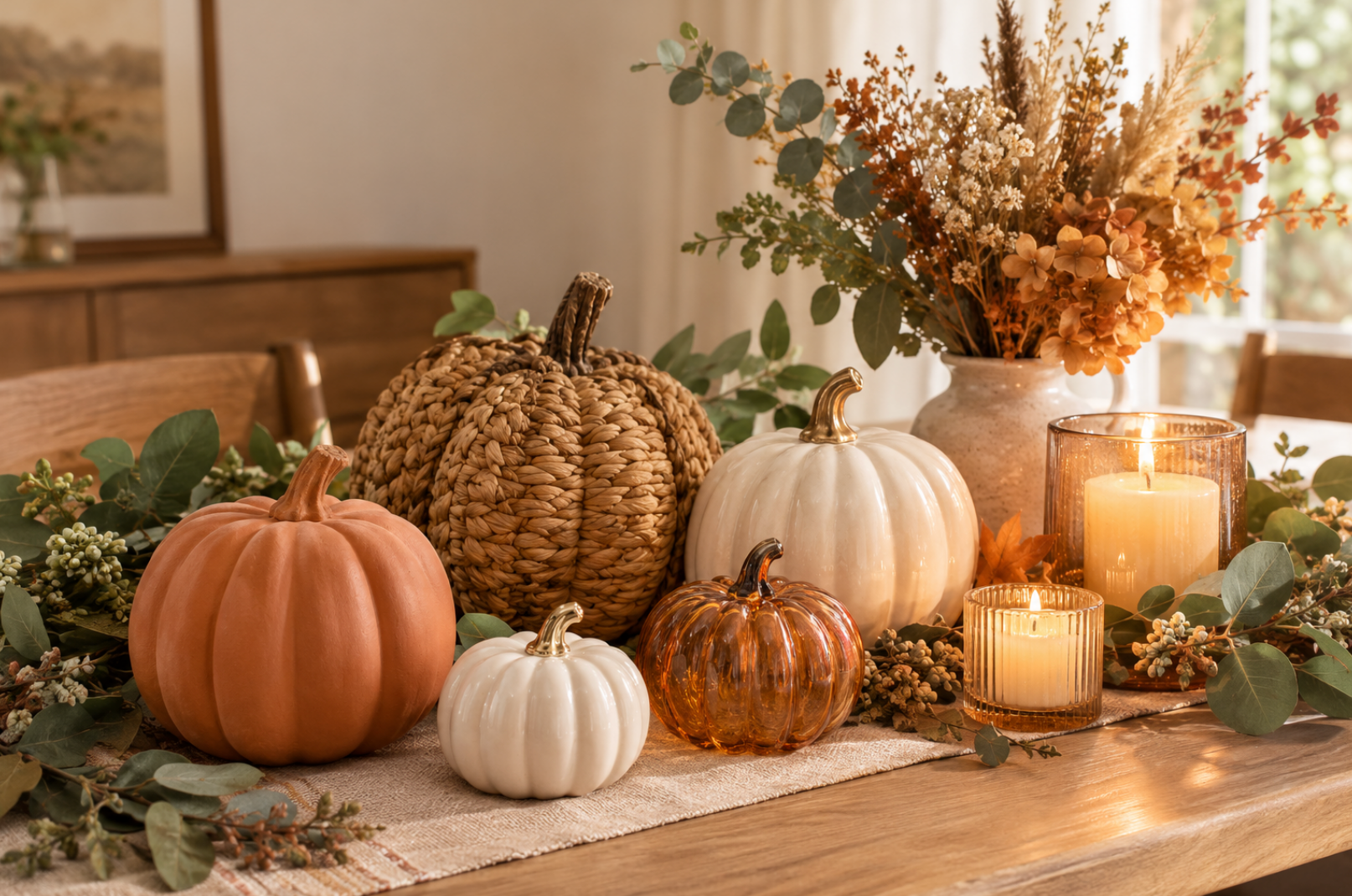
For retailers, this approach can be more practical than creating a dedicated “Terra Cotta Pumpkin” section. Consumers are not necessarily buying a specific material—they are buying a collection of products that work together to create an appealing fall atmosphere.
6. What Should Retailers Confirm Before Sourcing Terra Cotta Pumpkins?
Before sourcing Terra Cotta pumpkins, retailers need to look beyond the product itself and consider the material, packaging, logistics, price positioning, and purchasing timeline.
01 — Confirm the Material
Confirm whether it is genuine terra cotta, ceramic, resin, or other terra cotta-look material. These materials vary greatly in cost, weight, durability and shipping requirements.
02 — Check Packaging & Logistics
Focus on: Packaging volume, Units per carton, Gross weight, Shipping cost. Heavy fragile items raise logistics risk and total landed cost.
03 — Match the Price Positioning
Low-price seasonal merchandise vs. Home décor / gift / boutique premium lines. Select sizes and finishes that match your store’s price tier.
04 — Plan Backward From the Selling Season
Product selection → Sampling → Ordering → Production → Shipping → Delivery. Schedule orders backwards to hit your autumn selling window.
First, confirm the actual material. If a supplier describes a product as “Terra Cotta,” it is worth checking whether it is genuine terra cotta, ceramic, resin, or another terra cotta-look material. While these materials may look similar, they can differ significantly in cost, weight, durability, and shipping requirements.
Next comes packaging and logistics. Compared with fabric or plastic products, terra cotta pumpkins are generally heavier and require more careful packaging to reduce the risk of damage during transit. This means retailers should look beyond the unit cost and consider packaging volume, units per carton, gross weight, and shipping costs.
Size vs. Shipping Impact (Something Different Wholesale)
15 cm Pumpkin
Product weight: 430 g
Packed weight: 625 g
30 cm Pumpkin
Product weight: 1,560 g
Packed weight: 2,135 g
2 pcs / carton
This means that larger sizes do not simply increase product costs—they can also significantly affect carton weight, packing quantities, and overall logistics costs.
Price positioning should also be considered from the start. For retailers focused on affordable seasonal merchandise, smaller pumpkins with lower sourcing costs may fit more easily into existing price points. For home décor stores, gift shops, or boutique retailers, however, more decorative, premium-looking pieces may be a better fit.
Finally, retailers need to work backward from the selling season when planning their purchasing timeline.Although fall décor can have a relatively long selling period, the key sales window is still limited. From product selection and sampling to ordering, production, packaging, shipping, and final delivery, each step requires time. Waiting until consumers have already started shopping heavily for fall décor can mean missing part of the sales window.
For seasonal products, timing is part of the product strategy. Choosing the right product is only the first step—getting it to market at the right time matters just as much.
7. Does Terra Cotta Pumpkin Fit Your Fall Assortment?
Not every retailer needs to stock Terra Cotta pumpkins.
They are particularly easy to incorporate into home décor, gift, and boutique assortments, as well as collections built around natural, rustic, or farmhouse-inspired styles. At the same time, styles featuring Jack-o'-lantern details, cutouts, or other Halloween elements can fit directly into a Halloween product line.
If the goal is to extend the selling season for fall products, simpler Terra Cotta pumpkin designs may be worth a closer look. Unlike products that rely heavily on Halloween themes, these styles can be introduced in early fall and continue into Thanksgiving and later seasonal displays.
When deciding whether Terra Cotta pumpkins fit your assortment, retailers can consider three key questions:
Existing assortment
Can it work naturally with your other fall décor products?
Price range
Does the product cost and target retail price fit your customers?
Selling window
Can the products sell beyond Halloween?
The key is not simply whether other retailers are selling them, but whether they have a clear place within your own product assortment.
8. What Terra Cotta Pumpkins Reveal About Retail
There is not enough evidence to simply define Terra Cotta pumpkins as a “must-have” fall décor hit.
But looking at how products are evolving in the market, the pumpkin is no longer just a fixed seasonal shape. The same familiar form can be repositioned through different materials, sizes, finishes, functions, and design styles to reach different price points and consumer occasions.
Smaller decorative pieces can serve more price-sensitive seasonal shoppers, while larger and more decorative designs can play a role in home décor displays. Add Jack-o'-lantern details, candleholder functions, or planter designs, and the same basic pumpkin shape can move into Halloween or functional décor categories.
This reflects a broader retail principle:
A familiar product does not necessarily mean the opportunity has been exhausted.
When an established product shape is combined with different materials, sizes, and use cases, it can still enter new price points and consumer occasions.
• A familiar shape can enter different price points and occasions
• Established products can still have room for new interpretations
For retail buyers, this means that instead of simply chasing the “next hit product,” it can be worth paying attention to established products that consumers already understand but that still have room for new interpretations and positioning.
Here are some related articles you may find interesting: