Back To Blog
Dinosaur toys range from cuddly companions and chunky play figures to detailed models and remote-controlled creatures.
The best choice depends on the child’s interests, the toy’s age guidance, and how it will fit into everyday play—not simply how loudly it roars.
This guide highlights ten useful toy categories, with practical buying checks and play ideas for each. These are recommendations by play style, rather than a ranking of individually tested products.
What are the best dinosaur toys for your child?
The best dinosaur toys are those that match a child’s current abilities and interests while leaving room for imaginative play. Start with what the child already enjoys: carrying a favorite animal, building elaborate worlds, telling stories, or investigating prehistoric creatures.
The American Academy of Pediatrics recommends choosing toys that suit developmental abilities and encourage interaction rather than assuming electronic features make a toy more educational.
Use this shortlist to narrow the options before comparing individual products:
- For cuddling and storytelling: Choose a manageable plush dinosaur with clear care instructions.
- For toddler pretend play: Look for chunky, age-appropriate figures without small accessories.
- For creating adventures: Consider articulated figures, habitat sets, or puppets.
- For building and investigating: Explore construction sets, puzzles, or excavation kits suited to the child’s age.
- For movement and controls: Compare robotic options by ease of operation, sound controls, and battery access.
Treat the categories below as starting points, not universal age recommendations. Check the specific product’s labeling before buying; the U.S. Consumer Product Safety Commission advises following age guidance and keeping toys with small parts away from children younger than three.
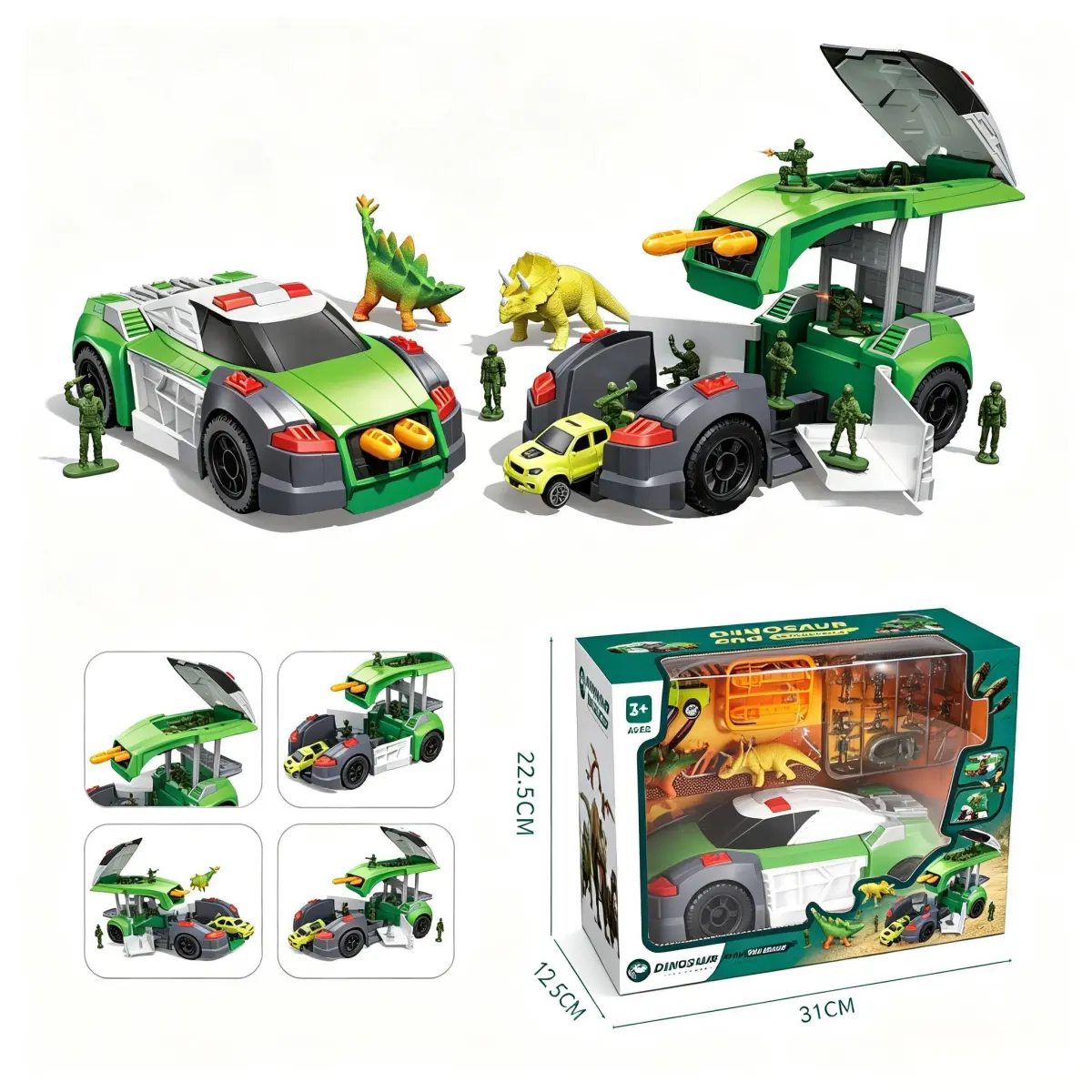
Ten dinosaur toy types worth considering
1. Dinosaur plush toys for cuddles and quiet adventures
Dinosaur plush toys are a sensible starting point when you want a character for stories rather than a complicated play system. Choose a size the child can comfortably carry, and decide whether a friendly cartoon design or a more recognizable species will appeal most.
Compare cleaning instructions before choosing between dinosaur stuffed animal toys. A favorite companion may accompany snacks, car rides, and indoor adventures, so straightforward care matters. Inspect seams and decorative attachments, and follow the product’s age label.
For a simple activity, invite the child to introduce their dinosaur: its name, favorite imaginary food, and where it lives. Stuffed dinosaur toys need no elaborate accessories to become the center of a story.
2. Chunky dinosaur figures for toddler play
When shopping for dinosaur toys for 2 year olds, prioritize the individual product’s age rating rather than relying on a friendly appearance. Look for easy-to-grasp shapes and avoid sets containing small eggs, removable spikes, tiny trees, or miniature feeding pieces. Small parts present a choking hazard for children under three.
Start with a few large toy dinosaurs instead of an enormous mixed collection. That makes it easier to check every piece before play and keep the setup manageable.
Try a simple walking adventure across the floor: one dinosaur visits another, takes shelter beneath a cardboard arch, then heads home. Keep older siblings’ miniature figures separate so they do not accidentally become part of the toddler’s collection.
3. Dinosaur action figures for character-led adventures
Dinosaur action figures are worth considering for children who like directing dramatic scenes. When comparing products, examine how the advertised joints, jaws, or tails operate. Ask whether the child can move them independently and whether the figure can hold the poses shown in product photos.
Choose features that serve the story. An opening mouth might suit pretend feeding, while movable legs could matter more to a child staging a chase. You do not need every mechanism in one figure.
A useful first adventure is a dinosaur rescue: build a pretend barrier from blocks and let the child decide how their creature escapes. Keep detachable accessories appropriate to the child’s age, and check whether replacement pieces are available before committing to a complex set.
4. Dinosaur figurines for miniature worlds
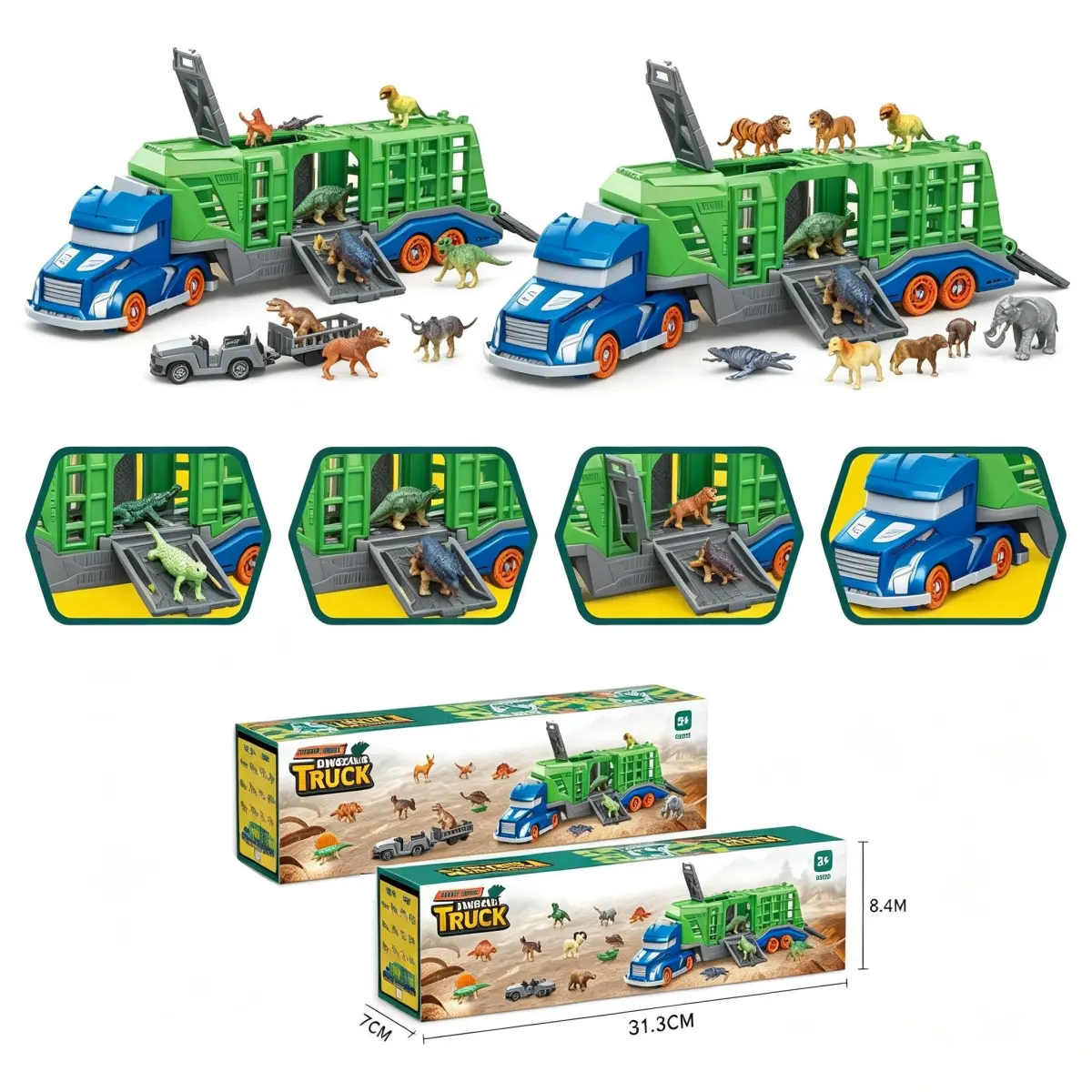
Dinosaur figurines suit a different shopping goal: assembling a varied cast for small-world scenes. Compare the included species, figure dimensions, and number of duplicates rather than judging value by piece count alone. A smaller selection may be preferable if every dinosaur has a distinct role in the child’s imagined world.
Plan storage at the same time. A shallow container makes it easier to see the collection and notice missing pieces.
For play, suggest a cardboard landscape with separate resting places, paths, and a pretend watering hole. Let the child choose whether their scene follows dinosaur facts or pure fantasy. If identification matters, favor sets that clearly name the animals instead of leaving you to guess from the packaging artwork.
5. Detailed dinosaur models for curious collectors
Dinosaur models are a useful option when the child cares about anatomy, species names, and displaying a collection. Check whether the item is intended for hands-on play or primarily for display; a detailed appearance alone does not establish durability or age suitability.
Scientific accuracy deserves attention here. Smithsonian’s dinosaur gift guidance notes that prehistoric products can mix fact with fantasy and highlights feathers and inward-facing hands as useful details to examine on Velociraptor depictions.
Pair a model with a trusted illustrated book and compare their reconstructions together. Ask what matches and what differs. The aim is not to reject every stylized toy, but to distinguish a scientific reconstruction from a movie-inspired character when that distinction matters to the child.
6. Build-your-own dinosaur sets for hands-on projects
A build-your-own dinosaur set is worth considering when the construction process is part of the attraction. Compare the number of pieces, connection method, instructions, and any included tools. Decide whether you want a reusable building activity or a finished model that stays assembled.
Before buying, look closely at the starting steps. A set may have an appealing finished dinosaur but require more adult help than your child wants. Follow the stated age guidance, especially where small connectors are involved.
Make the project manageable by laying out pieces in a tray and tackling one stage at a time. Once finished, invite the child to describe what they built or draw an alternative creature using the same imagined parts.
7. Dinosaur excavation kits for supervised discovery
Consider an excavation kit for a child who enjoys patient projects and the idea of uncovering a hidden object. Compare what is actually buried inside: a skeleton to assemble, individual replicas, or collectible figures. Those endings offer different experiences, so check the contents rather than relying on the box illustration.
Read the instructions before choosing a workspace. Follow any directions about tools, protective equipment, dust, cleanup, and adult supervision. Keep small recovered pieces away from younger siblings.
Make the activity feel like an investigation by inviting the child to sketch each discovery before continuing. A paper “field notebook” gives the project a personal ending, even if the finished replica eventually joins a shelf rather than the everyday toy box.
8. Dinosaur habitat playsets for big stories
Habitat playsets are an option for children who want somewhere for their dinosaurs to live. Compare the usable play area with the storage footprint, then examine the accessories. A large backdrop is less helpful if there is little room to move figures around it.
When browsing jurassic toys, separate the appeal of a familiar fictional setting from the practical value of the pieces. Check whether the included dinosaurs suit the child’s existing collection and whether moving features require frequent adult assistance.
Try an adventure with more than one possible ending: a blocked path, a missing dinosaur, or a habitat that needs rebuilding. Animal figures and pretend objects can support storytelling, particularly when adults join the child’s play rather than dictate it.
9. Robotic dinosaur toys for interactive movement
Robotic dinosaur toys are worth a closer look when movement and controls are the main attraction. Compare the advertised functions individually: walking, turning, responding to commands, or performing preset sequences. Decide which features the child will actually use rather than choosing the longest feature list.
Check for a volume control, a clear off switch, straightforward charging or battery replacement, and a securely fastened battery compartment. CPSC advises selecting battery-powered toys with compartments that children cannot easily access.
Also consider the floor space available for operation. Plan a simple route or destination instead of relying entirely on demonstration mode. Electronic features are not automatically educational; shared interaction remains important, as the American Academy of Pediatrics emphasizes in its toy guidance.
10. Dinosaur puppets for shared storytelling
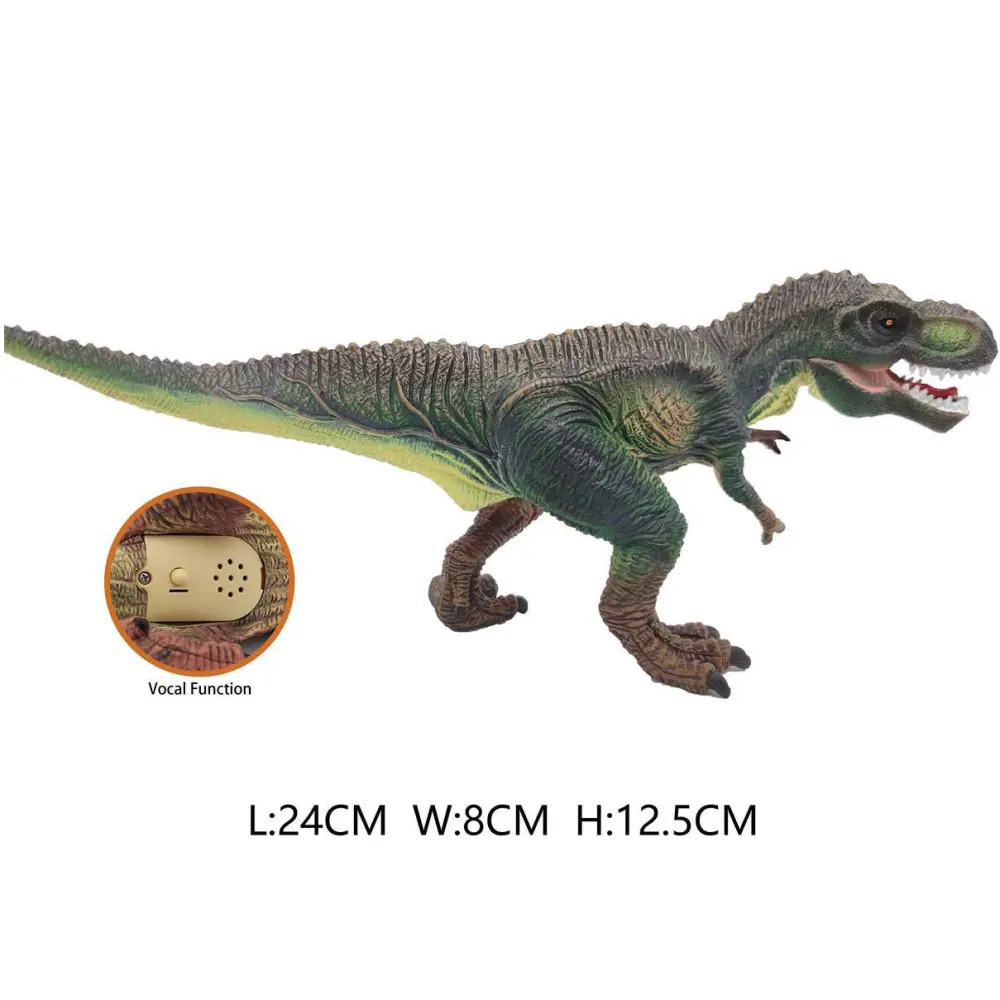
A dinosaur hand puppet is a useful alternative when you want a toy that becomes a character through conversation. Compare the opening size, mouth mechanism, fabric care requirements, and overall weight. Choose something the intended user can operate comfortably, whether that is the child or an adult storyteller.
If you have been browsing dinosaur toys plush collections, a soft puppet offers another direction to explore. It keeps the fabric character appeal while giving you a way to act out a scene.
Start with a small problem: the dinosaur has forgotten its name, cannot find its nest, or needs directions. Let the child supply the solution. Keep the story flexible rather than turning every exchange into a test of dinosaur knowledge.
How do you choose between plush, figures, and electronic toys?
Choose according to the experience you want to make available: a soft character for carrying and stories, figures for arranging adventures, or an electronic toy for operating controls. There is no need to buy one of everything. Begin with the category closest to the child’s existing interests, then compare a few age-appropriate products within it.
Use these questions to make the final decision:
- What happens after the first demonstration? Picture an ordinary afternoon, not just the unboxing. What could the child do next?
- What help will it need? Consider assembly, charging, cleanup, and finding lost accessories. Choose a level of adult involvement you can realistically provide.
- Where will it live? Check dimensions against the shelf, storage bin, and available play space.
- What does the listing actually promise? Verify included pieces, care instructions, controls, and required extras rather than inferring them from photographs.
If you are searching for dinosaur toys for girls, start with the individual child’s preferences rather than narrowing the selection by packaging. Offer the same range of cuddly characters, builders, detailed replicas, and roaring creatures. Favorite colors and species can guide the final choice without deciding the entire category in advance.
Make the collection work harder before adding more
Before buying another set, consider what would add a genuinely different activity. If a child already has plenty of figures, a cardboard landscape or a library book might be a better next step than more nearly identical dinosaurs. If their interest is carrying a companion everywhere, one well-chosen plush may fit better than a complicated playset.
Try putting out a small selection with a simple invitation: build a home, invent a rescue, or draw a museum label. These are optional prompts, not tasks the child must complete. Let their response guide what you offer next.
Choose the dinosaur that fits everyday play
The strongest shortlist of kids dinosaur toys begins with the child, not the biggest box or loudest roar. Choose an appropriate age rating, examine the practical details, and picture how the toy will be used after the excitement of opening it. Whether that leads to a cuddly companion, a detailed model, or a robot with a mission, aim for a toy that has a clear place in the child’s play.
Frequently Asked Questions About the Best Dinosaur Toys for Kids
1. What are the best dinosaur toys for kids?
The best dinosaur toys for kids include realistic dinosaur figures, dinosaur building sets, interactive dinosaur toys, dinosaur puzzles, and educational dinosaur playsets. Popular choices include T-Rex figures, Triceratops models, and dinosaur excavation kits. The ideal toy depends on the child's age, interests, and developmental stage.
2. What dinosaur toys are best for toddlers?
The best dinosaur toys for toddlers are large, lightweight dinosaur figures, soft plush dinosaurs, and simple dinosaur puzzles designed for their age group. Choose toys with smooth edges, durable materials, and no small detachable parts that could create choking hazards.
3. Are dinosaur toys educational for children?
Yes, educational dinosaur toys can help children develop creativity, imagination, problem-solving skills, and hand-eye coordination. Dinosaur puzzles, building kits, and fossil excavation sets can also introduce children to prehistoric animals, basic science concepts, and natural history through interactive play.
4. What should parents consider when buying dinosaur toys?
Parents should consider age suitability, toy safety, material quality, durability, and educational value when choosing dinosaur toys. Check the manufacturer's recommended age range, product warnings, and applicable safety certifications. Younger children should avoid toys containing small parts, sharp edges, or easily accessible batteries.
5. Where can retailers buy dinosaur toys wholesale?
Retailers and distributors can source wholesale dinosaur toys from China through toy manufacturers, wholesale suppliers, and sourcing companies.
Buyers should compare minimum order quantities (MOQs), customization options, pricing, product quality, and relevant safety documentation before placing bulk orders. Dinosaur figures, plush toys, and educational playsets are useful categories to explore for retail collections.