Back To Blog
 Why DIY Craft Kits Are Becoming a New Product Opportunity
In the past, consumers often bought craft supplies to obtain a specific material.A few strands of beads, a roll of ribbon, a pack of stickers, a box of modeling clay, or some paper and decorative accessories—these items were typically sold as individual materials. Consumers had to decide for themselves what to buy, how to combine the items, and what the final product would be.
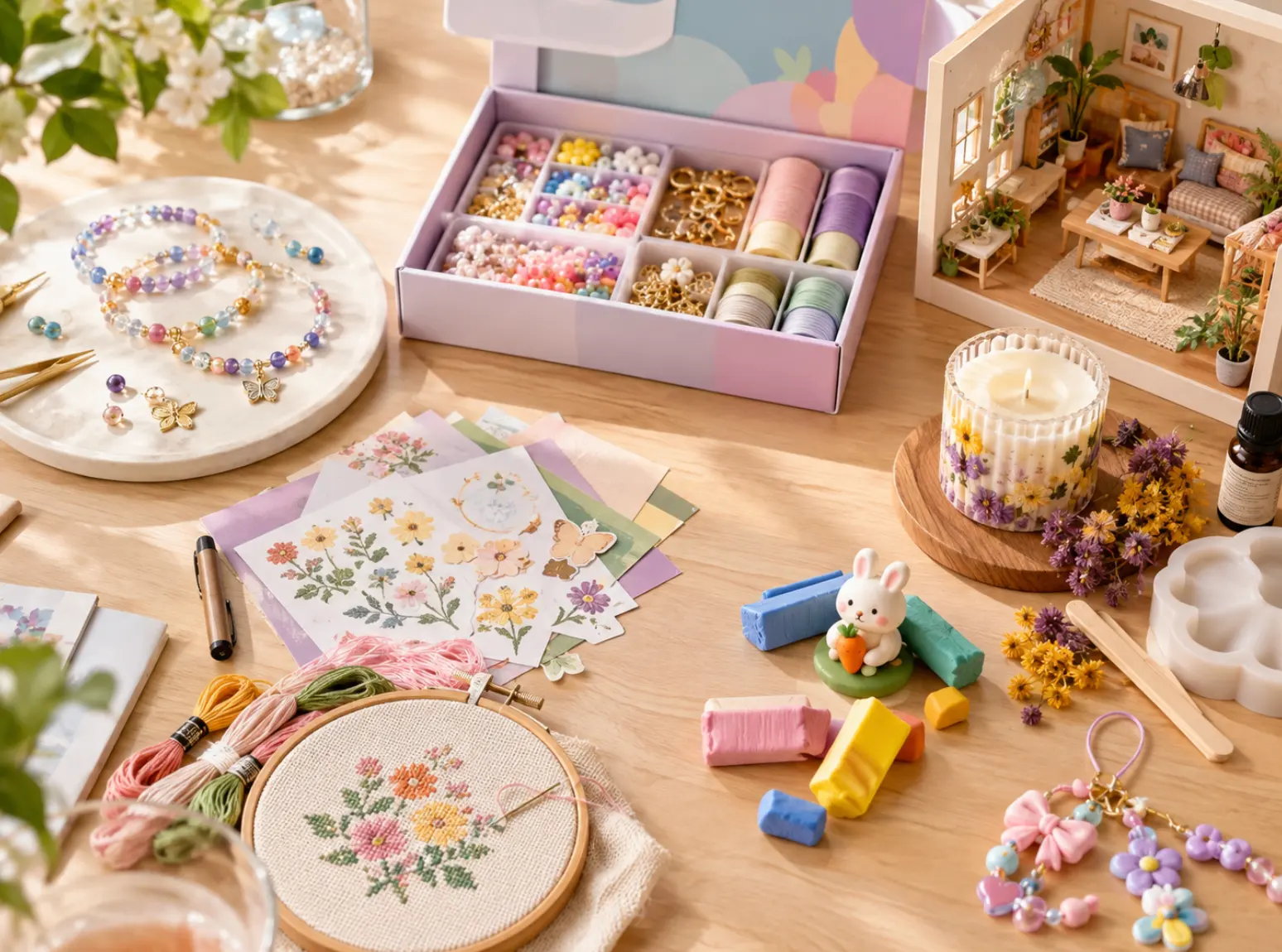
But now, more and more products are combining these loose materials into complete creative projects. Consumers are no longer just buying a box of materials; they’re purchasing an experience they can complete with their own hands—making a bracelet, finishing an embroidery project, building a miniature room, or crafting personal scented candles.This means that DIY is shifting from traditional craft supplies toward more comprehensive creative experiences.
What makes this shift noteworthy is not merely the growing variety of DIY products, but the fact that it is changing how consumers purchase craft products and opening up new possibilities for product development.
From Craft Supplies to Complete Creative Experiences
The traditional sales logic for craft supplies typically revolves around “materials.”
Consumers might purchase beads, charms, threads, stickers, or paper separately and then combine them according to their own ideas. This model gives consumers a great deal of freedom, but it also means they must complete the entire process—from selecting materials to creating the final piece—on their own.
DIY kits, however, have transformed this product structure.
A DIY craft kit is typically designed around a specific end result. For example, a “Make Your Own Bracelet” kit includes not only beads but also cord, clasps, and instructions; an embroidery kit combines fabric, embroidery thread, needles, and a pattern; a miniature diorama kit may directly provide most of the materials needed to create a small-scale scene.
- The product is no longer simply about what materials can I buy?
- It becomes what can I make with this?
While this may seem like merely a change in packaging, it actually transforms the value of the product itself.What consumers ultimately take home is not just a pile of materials, but a clear goal for creation and the entire process of transforming those materials into a finished product.Therefore, the core of a DIY kit is not simply packing a few materials into a box, but organizing what were once disparate materials, creative themes, and final outcomes into a complete product concept.
Why Hands-On Experiences Are Moving Beyond Traditional craft
The shift toward DIY is also linked to consumers’ focus on “experiences.”
Compared to simply purchasing a finished product, making something by hand allows consumers to participate in the process. Choosing colors, adjusting combinations, and refining details—these processes themselves form part of the product experience.
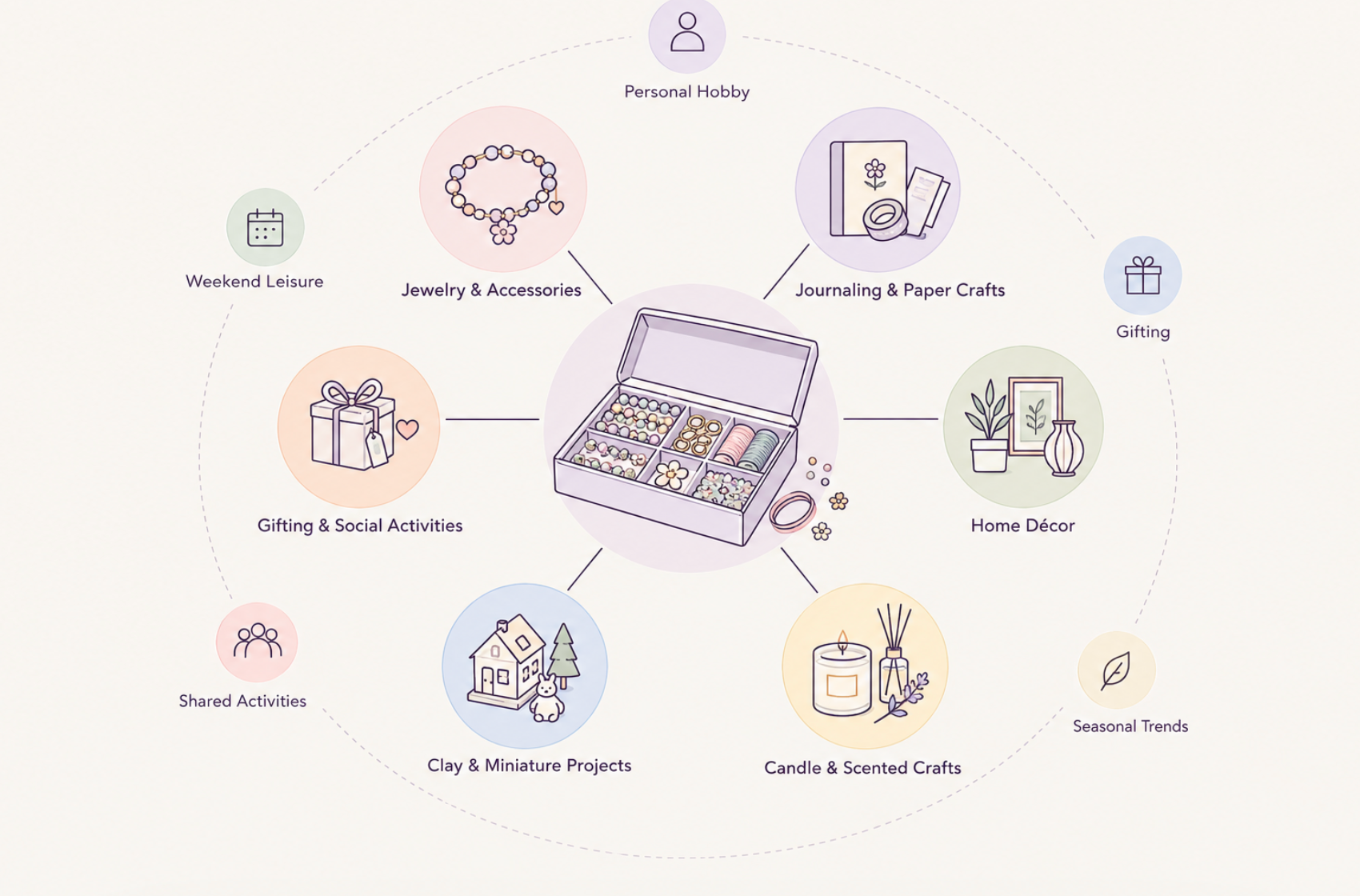
This experience isn’t limited to traditional craft enthusiasts.Beads can be turned into jewelry-making kits; stickers and paper can be used for journaling; clay can become small ornaments; embroidery can be transformed into home decor; and wax can be turned into aromatherapy products. Materials originally belonging to different fields can all be recombined through DIY.
At the same time, DIY is becoming increasingly accessible across various consumer scenarios.A DIY kit can be a personal hobby or an activity shared among friends; it can serve as a weekend leisure project or a gift; it can be launched to coincide with a specific season or aligned with a particular lifestyle or aesthetic trend.This means that DIY is no longer merely “craft” in the traditional sense.
It has begun to intersect with multiple consumer sectors, including hobbies, gifting, lifestyle, home décor, and fashion accessories.
This is particularly important for retailer. Because when DIY is no longer confined to a single product category, the range of products it can encompass expands accordingly.
What Consumers Are Really Getting From a DIY Kit
If you look only at the packaging, a DIY kit might seem like nothing more than a collection of materials.
But what consumers are really buying may be more than just the materials themselves.
A Clear Creative Project
Compared to facing a pile of loose materials and not knowing where to start, a complete kit directly tells consumers: “Here’s what you can make with these items.” This lowers the barrier to getting started and makes the product easier to understand.
A Sense of Participation
The finished product may not be complicated, but the fact that “I made this myself” gives it a meaning distinct from that of a typical ready-made item. Take a bracelet, for example: a bracelet bought off the shelf and one where you’ve chosen the colors, selected the beads, and assembled it yourself are not exactly the same product in the eyes of the consumer.
Room for Personal Expression
A good DIY kit doesn’t necessarily require everyone to produce an identical result. On the contrary, it allows for a certain degree of freedom in terms of colors, patterns, material combinations, and even the final design.
An Experience That Extends Beyond the Finished Product
Consumers might display their finished creations in their rooms, wear them, or give them to friends. The crafting process itself may also be photographed and shared, becoming part of their social media content.
So, when consumers buy a DIY kit, they’re not just buying the items inside the box.
They’re buying the opportunity to ask, “What can I create with these?”
This is also a key distinction between DIY kits and traditional craft supplies.
How DIY Kits Are Changing Product Development
When consumers start focusing on “what I can make,” the focus of product design shifts accordingly.
Traditional craft supplies typically organize SKUs around a single material.DIY kits, however, require design centered around a complete product concept.This means product development must simultaneously consider materials, themes, the crafting process, and the final result.As a result, showcasing the finished product becomes even more important.
Before making a purchase, consumers often look first at the finished product they can create. Therefore, a clear image of the finished product can sometimes better convey the product’s value than simply showing the materials inside the box.
The Finished Product Becomes Part of the Selling Point
A well-designed DIY kit needs to help consumers quickly understand three key questions:
- What am I making?
- What’s included?
- What will the finished product look like?
DIY Also Creates Room for Product Series
A single creative concept can be adapted into different versions based on varying themes, difficulty levels, material combinations, and price points. For example, an entry-level version can lower the barrier to entry, while a more complex version can include additional materials and offer greater creative freedom; the same theme can also be expanded into seasonal limited-edition versions or versions with different visual styles.
In this way, a DIY kit is no longer just a single product but can evolve into a scalable product line.
Where the Next DIY Product Opportunities May Come From
If DIY is evolving from a simple craft activity into a product category, then the next opportunities may not necessarily come from the traditional “Craft” category itself.
One direction is “Trend + DIY.”
The colors, aesthetics, themes, and lifestyles that consumers are currently focusing on can all serve as creative inspiration for DIY products. When a trend is not only applied to finished goods but can also be transformed into a “do-it-yourself” project, the product gains a new form of expression.
Another direction is “DIY + Other Categories.”
For example:
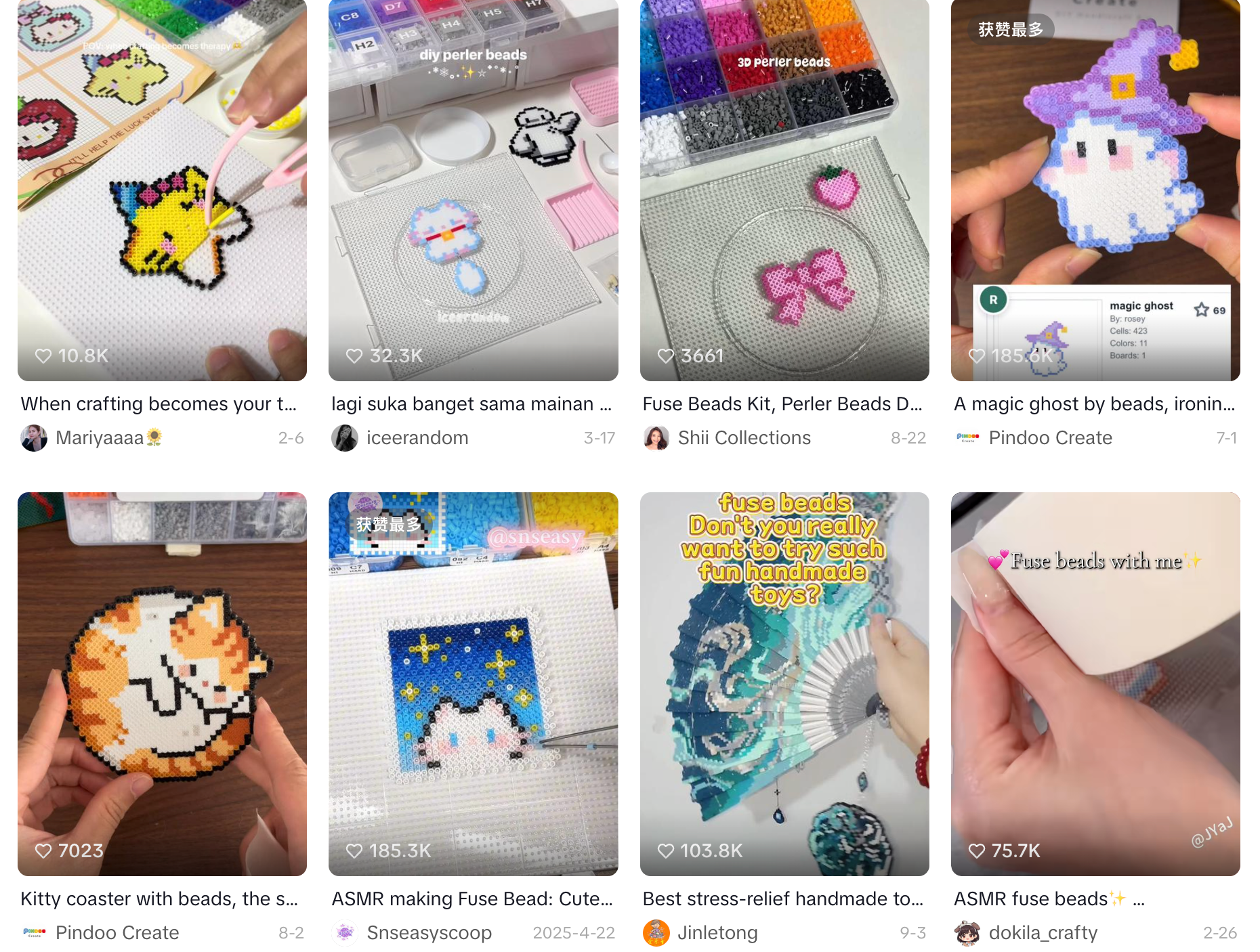
“DIY + Perler Beads” yields pixel art handmade works.
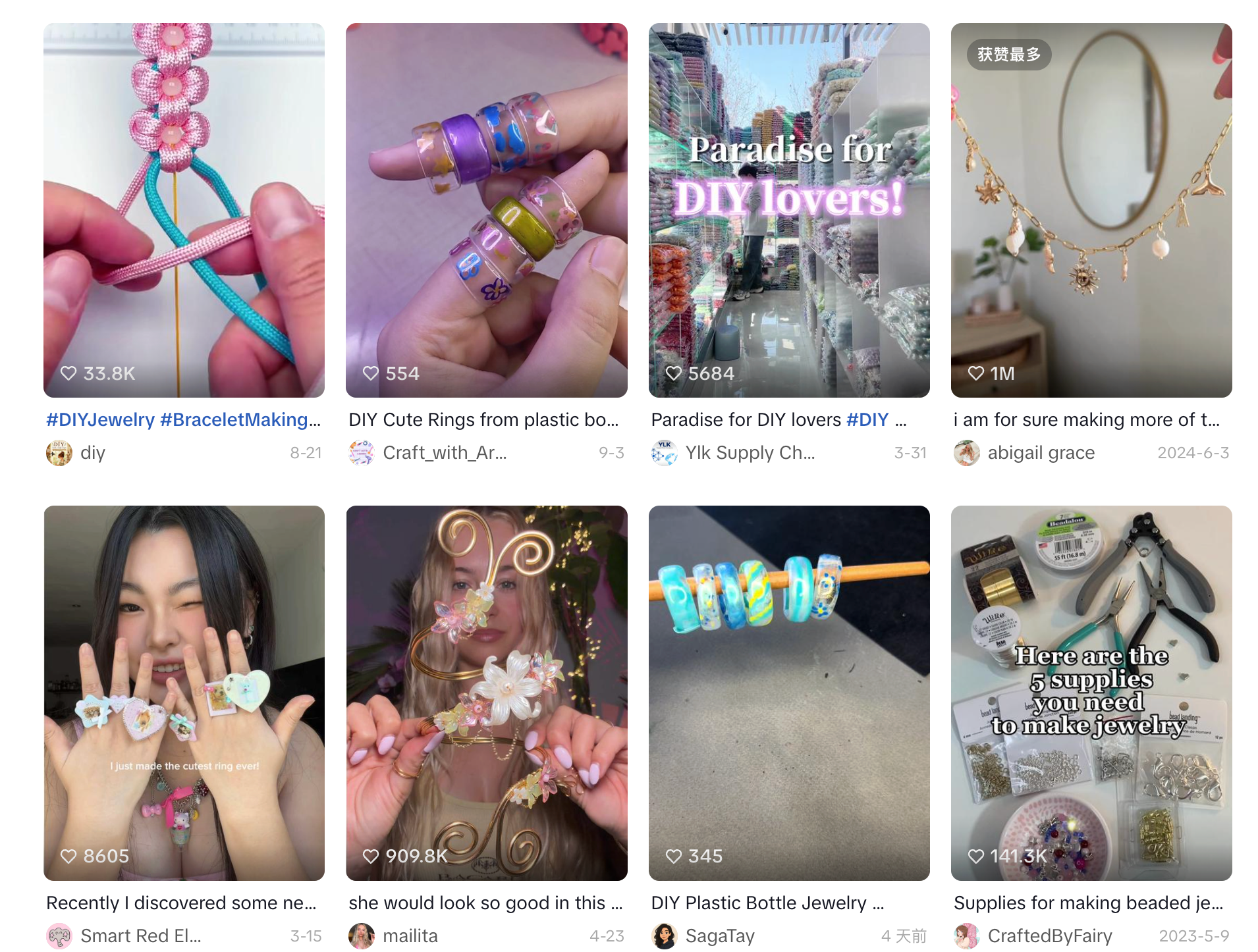
“DIY + Jewelry” can result in jewelry-making kits;
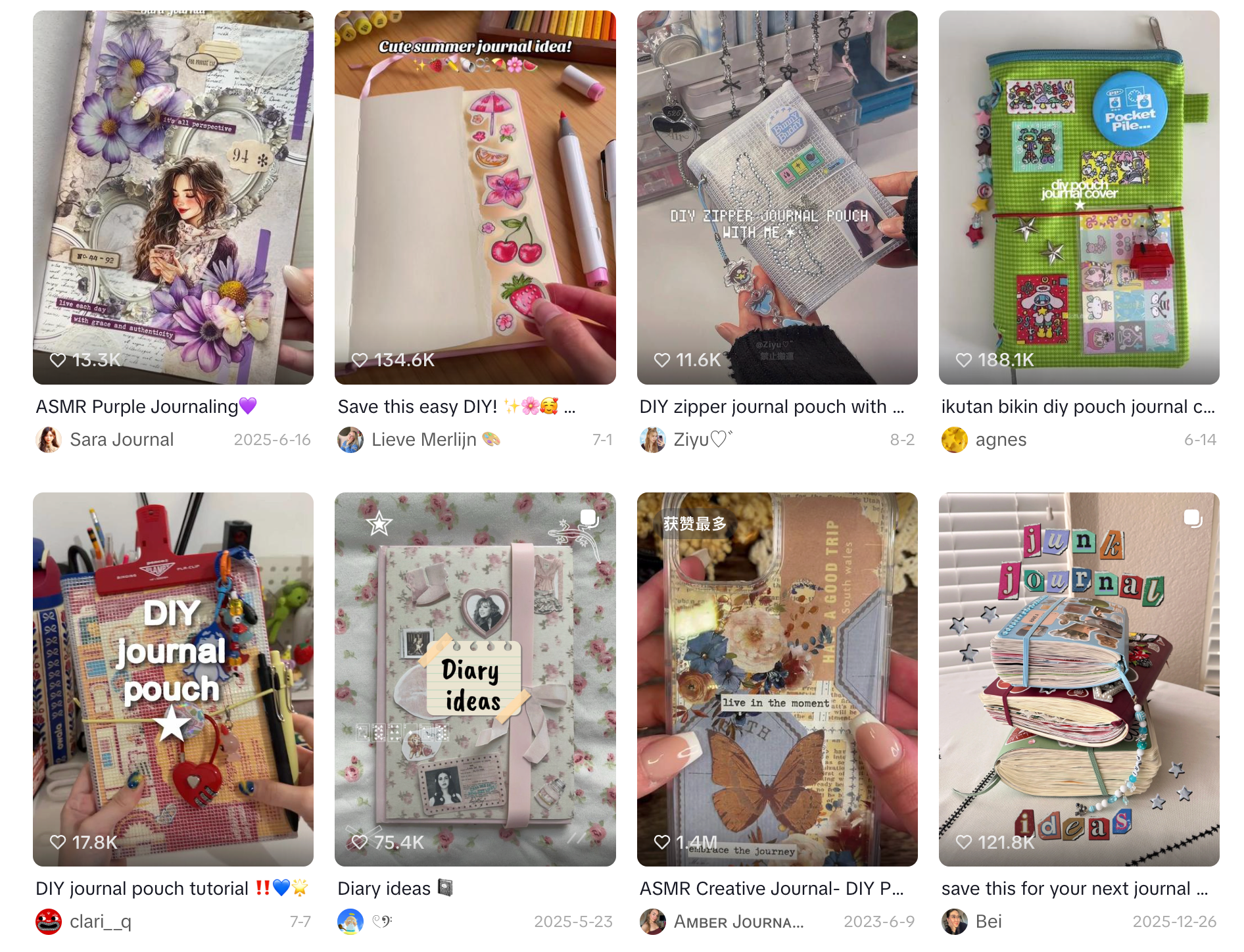
“DIY + Journaling” can result in themed journaling sets;
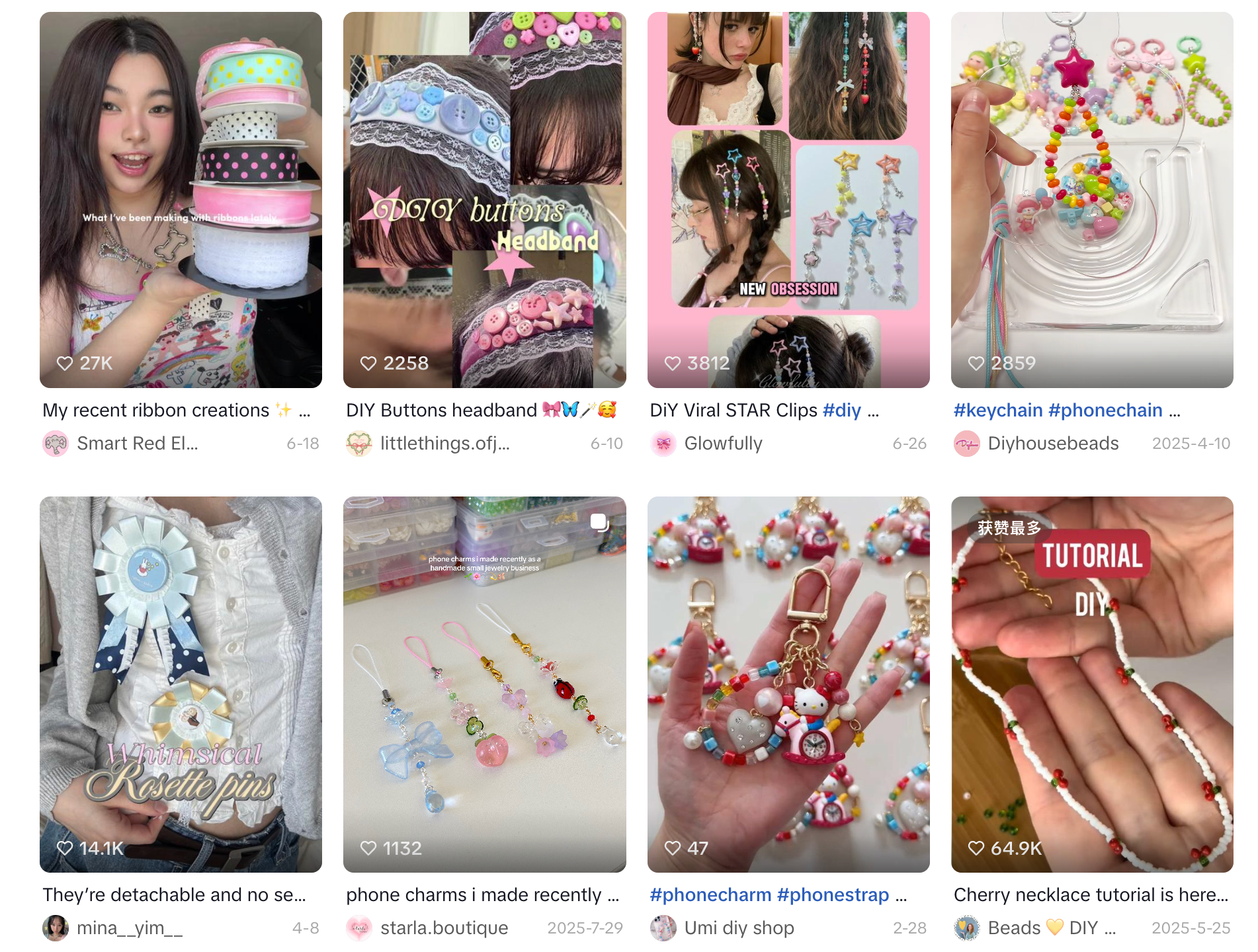
“DIY + Fashion Accessories” can extend to personalized products such as bag charms and phone charms;
DIY + Home Décor can venture into areas like miniature scenes, candles, and pottery;
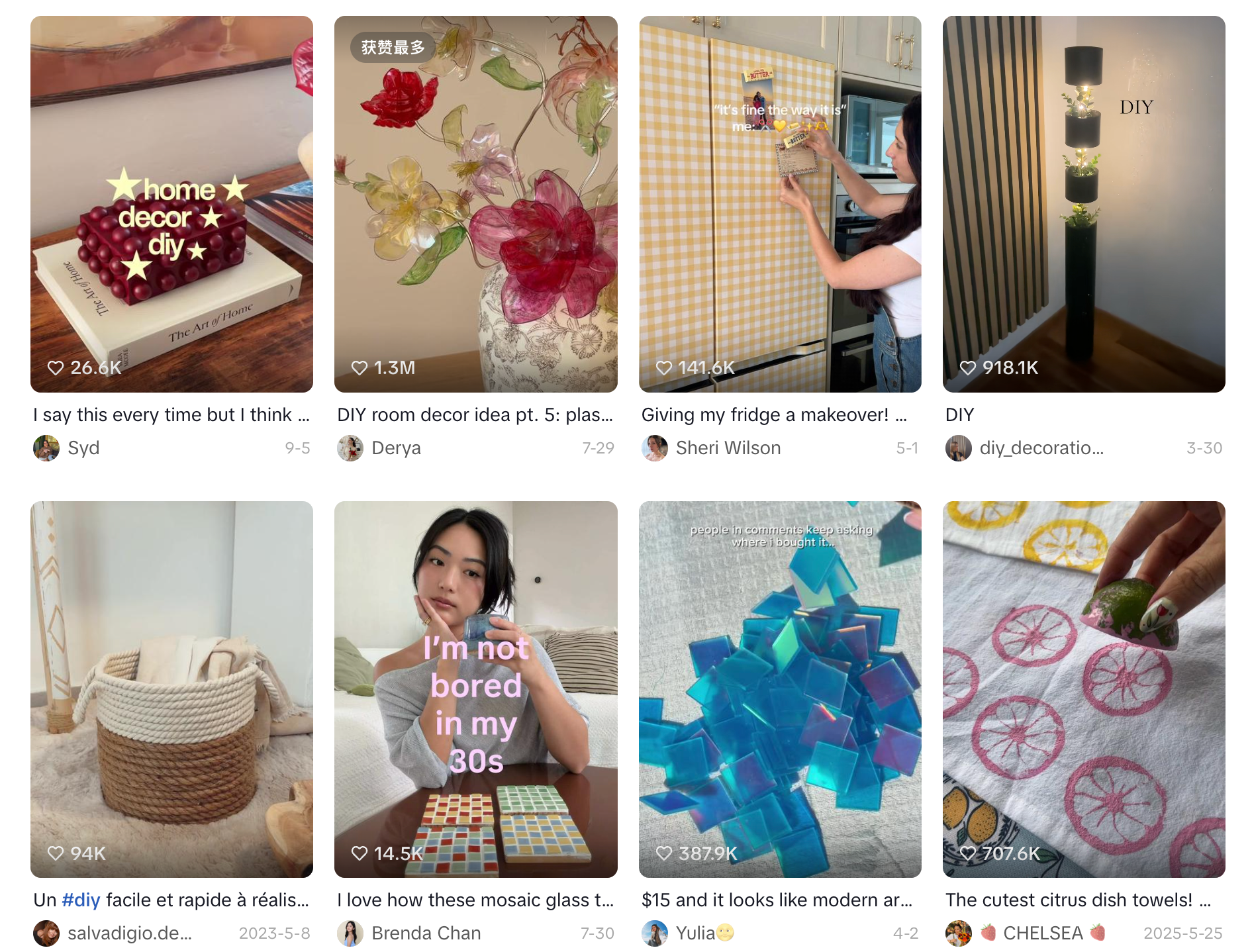
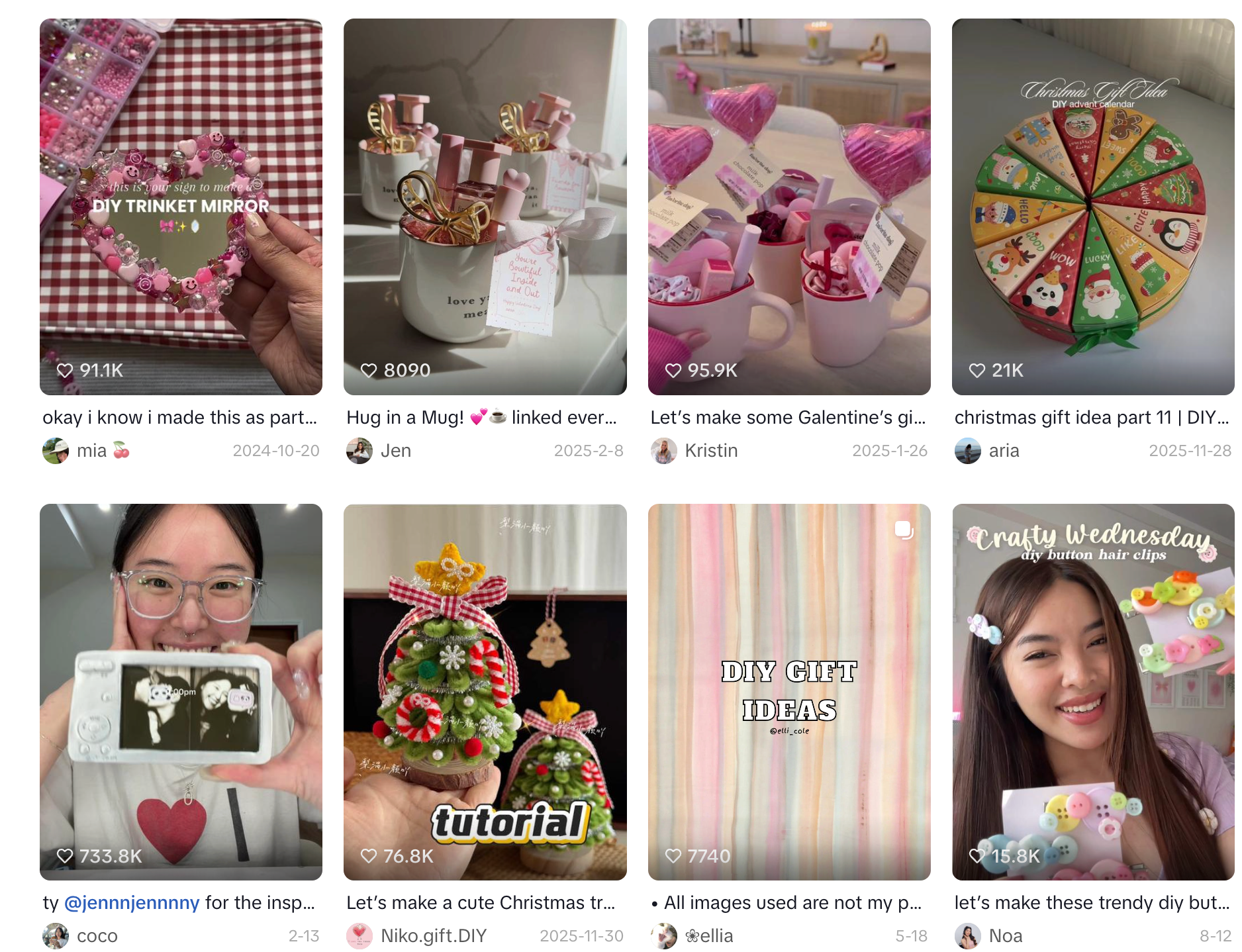
DIY + Gifting can combine the “creation process” with the “final gift.”
If you want to learn more about trends in other product categories, check out 【Why Squishy Toys Are Still Booming in 2026:And What Retailers Should Do About It】 If you want to know how to source goods, see【How Boutique Stores Source Wholesale Gifts from China】
Another direction worth noting is seasonality and series-based approaches.
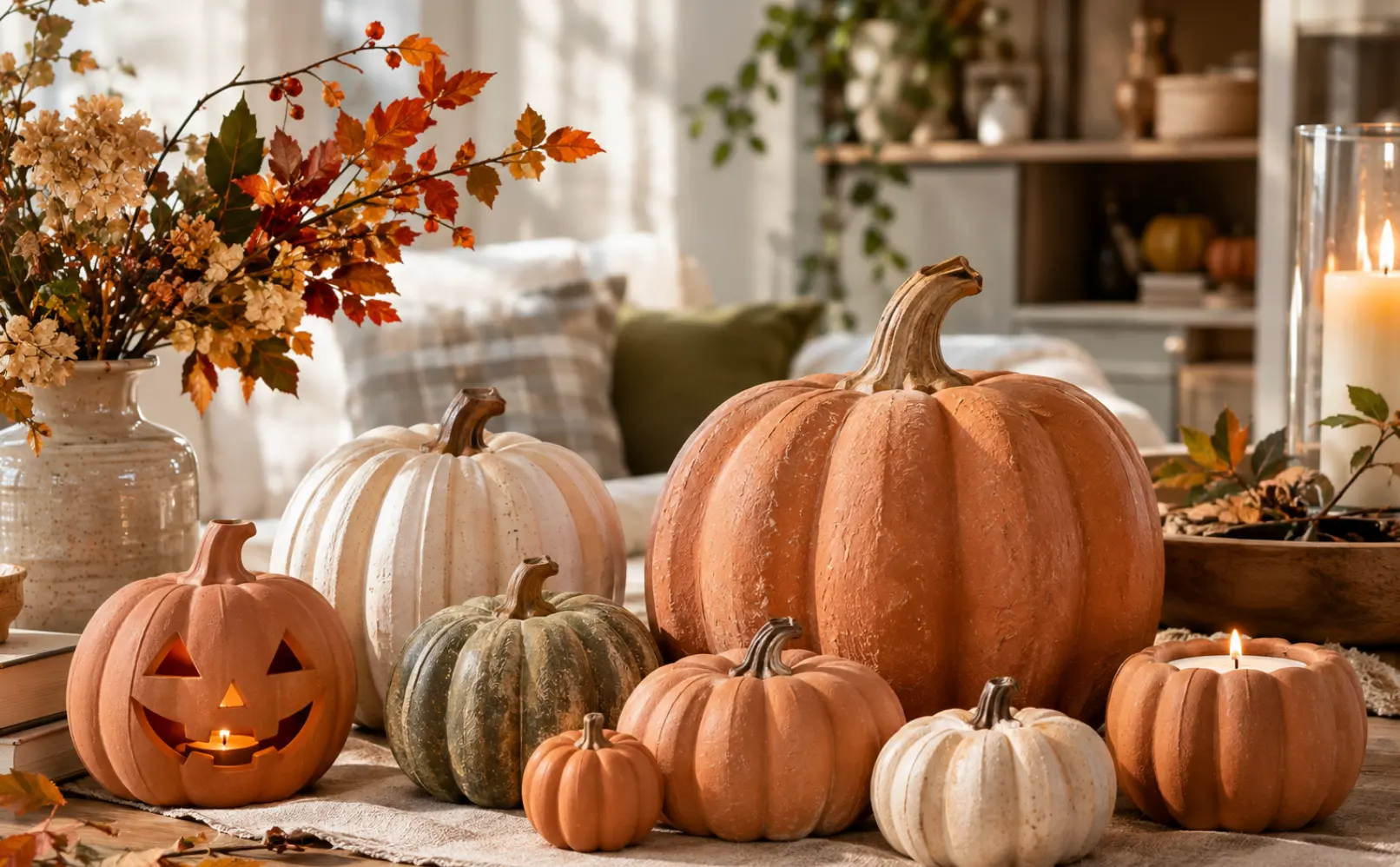
Different occasions—such as Christmas, Valentine’s Day, and Halloween—can all serve as opportunities to redesign the themes and packaging of DIY products. A basic creative format can also be continuously updated with new versions as themes change.
Therefore, what truly makes DIY Craft Kits noteworthy may not be whether they are a new trending category, but rather that they offer a different approach to product development:combining materials, trends, the creative process, and the final result to engage consumers in the creation of product value.
For retailers and global business clients, this means that future DIY products may not simply be “more craft supplies,” but rather more comprehensive and creative product experiences that evolve around consumers’ interests.
Here are some related articles you may find interesting: